Topic Battle

Where Everything Fights Everything

iPhone

iPhone

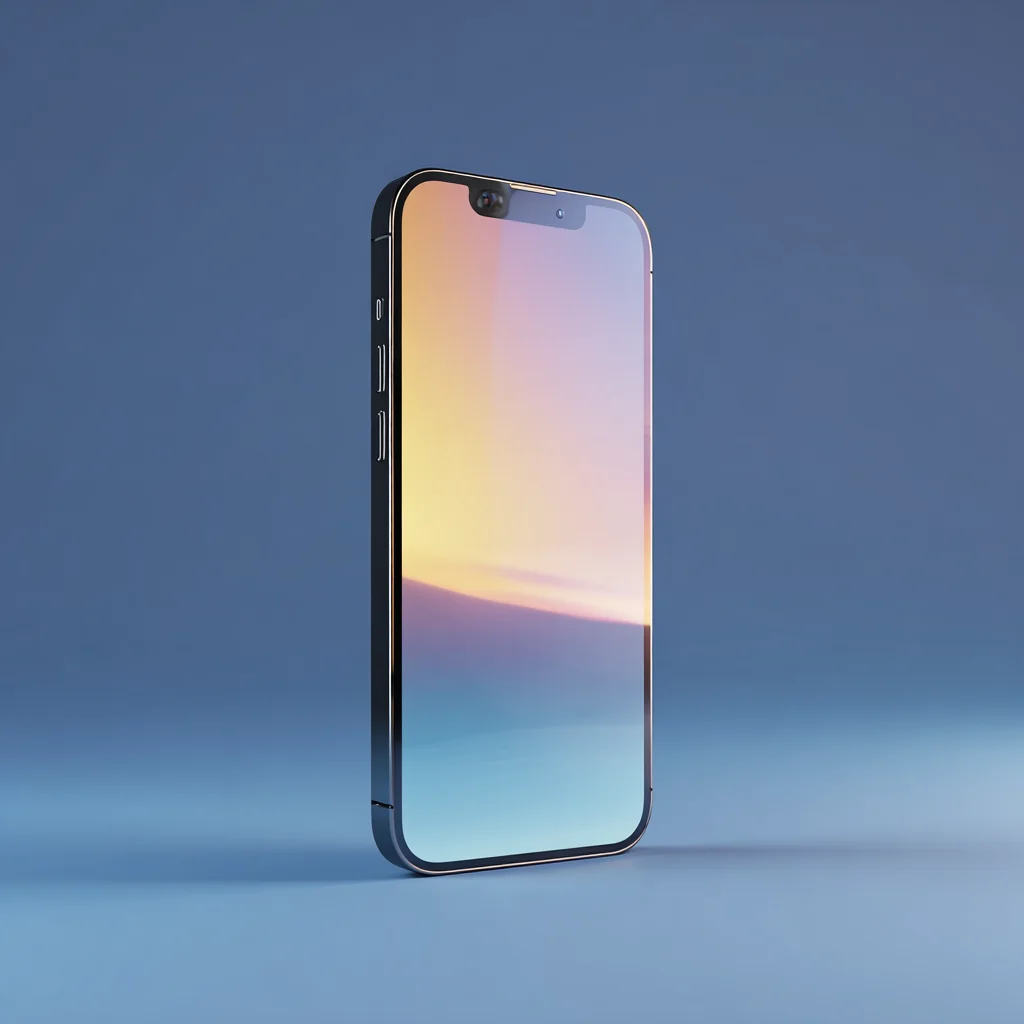
Apple's flagship smartphone line, known for its iOS operating system, premium build quality, and ecosystem integration.

VS
Whale

Whale

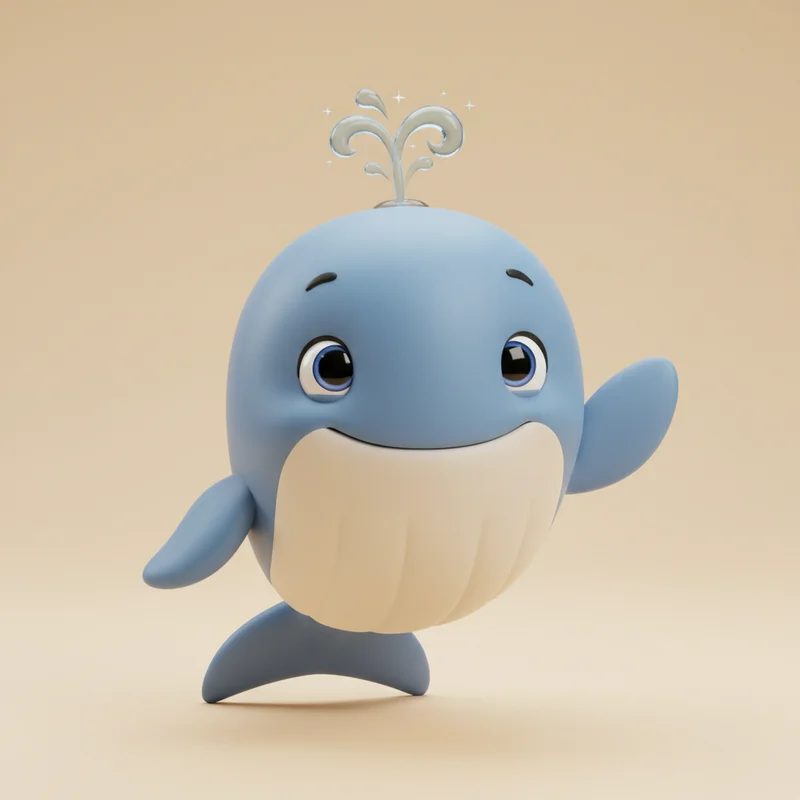
Largest animals ever to exist on Earth, communicating through songs that travel thousands of miles.

The Matchup

The intellectual merit of comparing a smartphone to a whale may invite scepticism from those unfamiliar with rigorous cross-domain analysis. Yet both entities represent pinnacles of optimisation within their respective spheres. The iPhone concentrates human ingenuity into a 174-gram rectangle. The blue whale distributes biological engineering across 200 tonnes of living tissue, representing the largest animal to have ever existed, surpassing even the most colossal dinosaurs that paleontology has catalogued.

The iPhone processes seventeen trillion operations per second within a device that fits in the human palm. The whale processes krill at rates exceeding four tonnes daily within a body that cannot fit within most human structures. These specifications describe entities operating at opposite extremes of the size spectrum, yet both have achieved undeniable dominance. Apple commands a three-trillion-dollar market capitalisation. Whales command every ocean on Earth and have done so for fifty million years.

This investigation applies scholarly methodology to determine whether silicon miniaturisation or cetacean maximisation represents the superior developmental strategy. The comparison acknowledges the five-million-percent mass differential between subjects whilst maintaining that such disparities demand, rather than preclude, serious academic examination.

Battle Analysis

Durability whale Wins
30%
70%
iPhone Whale

iPhone

The iPhone employs Ceramic Shield glass engineered to withstand impacts from standardised drop heights. The titanium Grade 5 alloy frame resists bending forces that would compromise lesser devices. Water resistance achieves IP68 certification, permitting six metres of submersion for thirty minutes, a depth specification that represents approximately 0.15% of the depths whales routinely frequent.

Operational lifespan averages four to five years before software obsolescence, battery degradation, and component failure necessitate replacement. The device cannot self-repair. Cracked displays require specialist intervention costing hundreds of dollars. Depleted batteries demand component surgery. The iPhone exists in a state of manufactured fragility that its marketing materials carefully obscure through emphasising drop test survivability rather than long-term endurance.

Whale

Whales demonstrate biological durability calibrated across fifty million years of evolutionary refinement. The blue whale's cardiovascular system pumps blood through vessels large enough to accommodate human swimming. The heart, weighing 180 kilograms, beats with sufficient force to be detected from several metres distance. This cardiac engineering sustains lifespans exceeding 90 years in bowhead whale populations, with some individuals documented at over 200 years of age.

The whale's body self-repairs continuously. Wounds heal without external intervention. Bones regenerate following injury. The immune system combats infections across tissue volumes that would overwhelm terrestrial medical facilities. Barnacle accumulations that would sink manufactured vessels merely add cosmetic character to whale exteriors. The cetacean body represents a self-maintaining biological vessel that has outlasted every iPhone model ever manufactured by approximately 185 years.

VERDICT

Whales achieve 90-200 year lifespans through self-repairing biology, whilst iPhones require replacement every 4-5 years and cannot repair cracked screens autonomously.
Global reach iphone Wins
70%
30%
iPhone Whale

iPhone

The iPhone maintains active installations exceeding 1.2 billion units distributed across 175 countries and territories. Apple's supply chain spans every inhabited continent, with manufacturing concentrated in facilities capable of producing millions of units weekly. This distribution network represents logistical coordination that marine mammals, despite their oceanic mobility, have never attempted.

Market penetration extends from flagship retail locations in global capitals to authorised resellers in emerging markets. The device has achieved cultural saturation such that its silhouette serves as universal symbol of technological participation. Children in remote villages recognise the Apple logo whilst remaining unaware that humpback whales migrate past their coastlines annually.

Whale

Whales occupy every ocean environment on the planet, from tropical waters to polar regions beneath Arctic ice. Migration patterns span hemispheres, with some individuals travelling 25,000 kilometres annually, representing the longest mammalian migrations documented by marine biology. This geographic distribution covers 71% of Earth's surface, the oceanic realm where iPhones function exclusively as expensive sinkers.

However, whale population numbers present sobering context. Commercial whaling reduced cetacean populations by an estimated 90% before international protections emerged. Current blue whale populations number approximately 25,000 individuals, with all whale species combined totalling perhaps 1.5 million. The iPhone's 1.2 billion installations exceed total global whale populations by approximately 800 times, a distribution disparity that conservation biologists regard with considerable concern.

VERDICT

With 1.2 billion active devices against 1.5 million total whales, iPhone distribution exceeds cetacean populations by nearly three orders of magnitude.
Environmental impact whale Wins
30%
70%
iPhone Whale

iPhone

iPhone production generates substantial environmental burden. Each device requires mining of rare earth elements across environmentally sensitive regions, manufacturing processes consuming significant water and energy, and global shipping logistics producing carbon emissions. Apple reports approximately 70 kilograms of CO2 equivalent per device lifecycle, a figure multiplied by billions of units produced.

E-waste accumulation compounds these impacts. With four-to-five-year replacement cycles, discarded iPhones contribute to growing electronic waste streams containing toxic materials. Lithium battery disposal presents particular challenges. The device that connects humanity simultaneously burdens planetary systems with extraction, production, and disposal impacts that accumulate with each generation released.

Whale

Whales function as ecosystem engineers providing environmental services that manufactured devices cannot replicate. Whale faecal plumes distribute iron and nitrogen across ocean surfaces, fertilising phytoplankton blooms that generate 50% of Earth's oxygen. A single great whale sequesters approximately 33 tonnes of CO2 over its lifetime, carbon that sinks to the ocean floor upon death and remains sequestered for centuries.

The International Monetary Fund has valued whale ecosystem services at approximately two million dollars per individual, with total whale contributions to carbon sequestration and ecosystem health valued in the trillions. Whales do not extract resources; they generate ecological value. Their continued existence improves planetary environmental conditions rather than degrading them.

VERDICT

Whales sequester 33 tonnes of CO2 each and generate ecosystem services valued at two million dollars per individual, whilst iPhones produce 70kg CO2 per unit lifecycle.
Communication ability whale Wins
30%
70%
iPhone Whale

iPhone

The iPhone enables instantaneous global communication through cellular networks, WiFi connectivity, and satellite features in recent models. Voice transmission occurs with latencies measured in milliseconds across continental distances. Text, image, and video transfer at rates exceeding gigabytes per minute. The device has fundamentally restructured human communication patterns since its 2007 introduction.

This capability depends entirely upon external infrastructure. Without cellular towers, satellites, and fibre optic networks spanning oceanic floors, the iPhone becomes an expensive calculator with photography features. Communication requires continuous electrical charging, network subscription payments, and atmospheric conditions favourable to signal propagation. The device transmits through intermediaries; it cannot communicate directly across distances.

Whale

Whale vocalisations represent biological communication systems of extraordinary sophistication. Blue whale calls reach 188 decibels, exceeding the volume of jet engines and capable of travelling thousands of kilometres through oceanic sound channels. Humpback whale songs demonstrate cultural transmission, with populations learning and modifying vocal patterns across generations in ways that suggest cultural evolution.

Critically, whales achieve this communication without infrastructure dependency. No cellular towers are required. No subscription fees accumulate. No software updates brick communication capability. Whale calls have propagated across oceans for fifty million years using the same biological equipment, whilst iPhone communication protocols have undergone seventeen generations of incompatible changes. The whale needs only water and functioning anatomy to communicate across hemispheres.

VERDICT

Whale calls travel thousands of kilometres at 188 decibels without infrastructure dependency, whilst iPhone communication requires cellular networks, subscriptions, and electrical charging.
Cultural significance whale Wins
30%
70%
iPhone Whale

iPhone

The iPhone has achieved cultural penetration unprecedented in consumer electronics history. The device has restructured social interaction, created entirely new industries, and generated a three-trillion-dollar corporate valuation. The smartphone has become inseparable from modern existence across developed economies, with average users checking devices 96 times daily.

This cultural centrality extends to artistic representation. The iPhone appears in contemporary art installations, documentary films examining technology addiction, and sociological studies of modern alienation. However, this significance emerged within seventeen years. The device's cultural impact, whilst undeniable, remains historically recent and dependent upon continued technological relevance that future innovations may erode.

Whale

Whales occupy central positions in human cultural imagination spanning millennia. From Herman Melville's Moby-Dick to indigenous creation narratives across oceanic cultures, the whale has represented nature's magnitude, mystery, and majesty. The whale appears in cave paintings predating written language, in biblical narratives, and in contemporary environmental movements where "Save the Whales" became defining activist iconography.

This cultural presence transcends consumer trends. Whales represented divine manifestation to ancient mariners, commercial opportunity during industrial whaling, and environmental conscience following conservation awakening. The whale song, first recorded in 1967, inspired movements across music, art, and environmental policy. Cultural significance accumulated across thousands of years of human history cannot be replicated by devices introduced in 2007.

VERDICT

Whales have occupied central cultural positions for millennia across global civilisations, whilst iPhone significance emerged within seventeen years and remains dependent upon continued technological relevance.
👑

The Winner Is

Whale

38 - 62

This investigation concludes with a 62-38 victory for the whale across evaluated metrics. The cetacean secured decisive wins in durability, communication ability, environmental impact, and cultural significance, whilst the iPhone claimed only global reach as its singular categorical victory. The margin reflects accumulated advantages of biological systems refined across fifty million years against manufactured devices constrained by seventeen years of iterative development.

The iPhone's victory in global reach represents genuine manufacturing achievement. With 1.2 billion active installations against approximately 1.5 million total whales, the device has achieved unit distribution that marine conservation organisations can only regard as aspirational for their research subjects. This dominance in deployment demonstrates the power of industrial production and consumer appetite.

However, the whale's victories occurred in categories addressing fundamental existence rather than market saturation. The whale communicates across hemispheres without subscription fees, maintains bodies across century-long lifespans without component replacement, improves planetary environmental conditions rather than degrading them, and has occupied human cultural imagination since before written language emerged. These are advantages that no processor upgrade, titanium frame, or marketing campaign can address.

The comparison illuminates a fundamental truth regarding optimisation strategies. The iPhone represents miniaturisation pushed toward apparent limits, concentrating capability into minimal mass. The whale represents maximisation pushed toward actual limits, distributing biological engineering across the largest body plan ever achieved by any organism. Both strategies succeeded. Yet the whale's success has persisted across geological time scales whilst the iPhone's success remains historically unprecedented but temporally unproven.

iPhone
38%
Whale
62%

Share this battle

More Comparisons