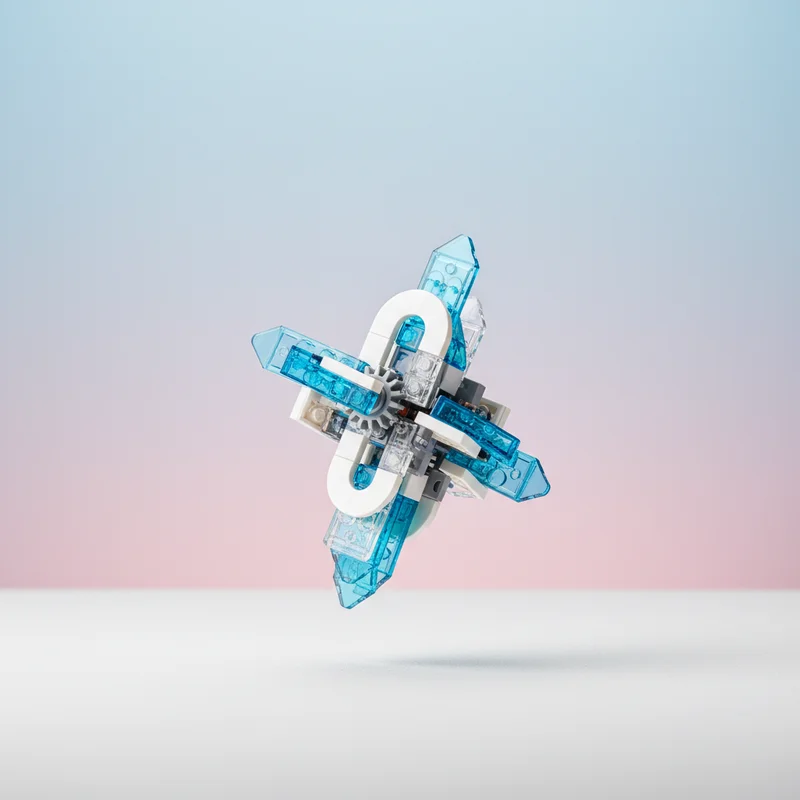

Lego
The Lego brick represents a triumph of material science over entropy. Manufactured from ABS plastic with tolerances of two-thousandths of a millimetre, bricks produced in 1958 remain compatible with those manufactured today. Studies conducted by the University of Plymouth estimate that a Lego brick could survive 1,300 years in the marine environment before complete degradation. The archaeological implications are profound: future civilisations will excavate strata of plastic bricks long after our writings have crumbled to dust.
Lion
The individual lion demonstrates remarkable resilience, capable of surviving wounds that would fell lesser creatures and continuing to hunt despite injuries that would incapacitate other mammals. However, the species as a whole tells a more sobering tale. African lion populations have declined by forty-three percent in the past two decades. The lion's durability, honed across eight hundred thousand years of evolution, now confronts challenges for which natural selection provided no preparation: habitat loss, human-wildlife conflict, and diminishing prey bases.