
Durability
Lego Wins
Lego takes this round
Lego
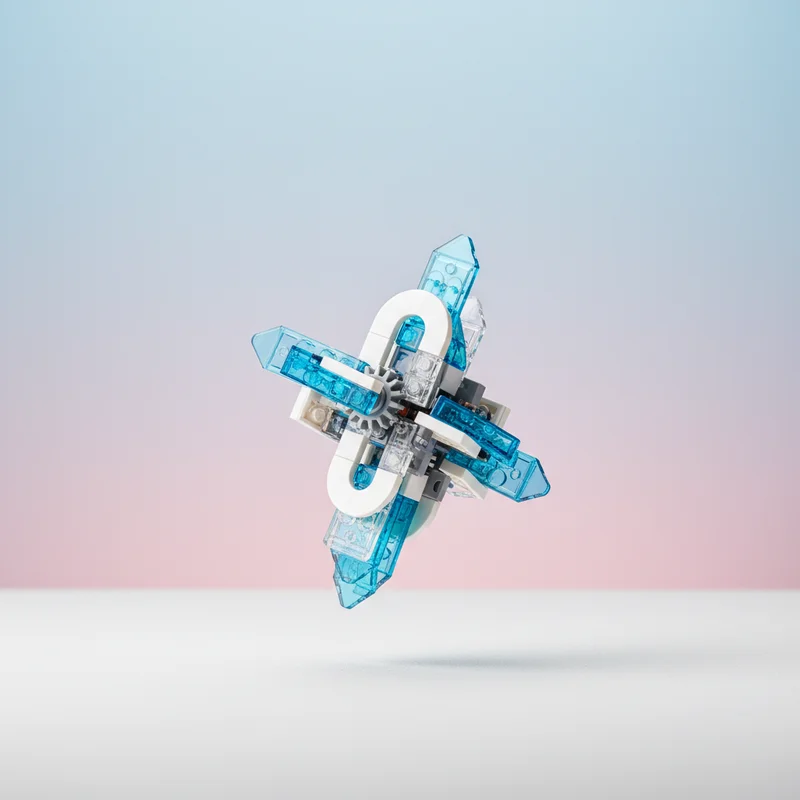
The Lego brick represents perhaps the most successful application of acrylonitrile butadiene styrene polymer in human history. Laboratory testing indicates that a standard 2x4 brick can withstand compressive forces of 4,240 newtons before structural failure occurs. This translates to approximately 432 kilogrammes of applied pressure. The brick's colouration remains stable across decades, resisting UV degradation with remarkable tenacity. Archaeological evidence suggests Lego bricks deposited in landfills during the 1970s remain functionally identical to contemporary production units, their clutch power undiminished by time.
Shark
The shark's biological construction, whilst elegantly evolved, cannot compete with injection-moulded thermoplastics. The cartilaginous skeleton, lighter than bone, serves admirably for aquatic locomotion but offers limited resistance to physical trauma. Shark teeth, though perpetually regenerating throughout the animal's lifespan, are individually disposable by design. The creature's dermal denticles, those remarkable tooth-like scales, eventually succumb to environmental degradation. A shark's operational lifespan rarely exceeds 70 years, whereas the Lego brick persists essentially indefinitely.
VERDICT
ABS plastic outlasts biological tissue by centuries; Lego bricks in landfills will greet our descendants' descendants.