Topic Battle

Where Everything Fights Everything

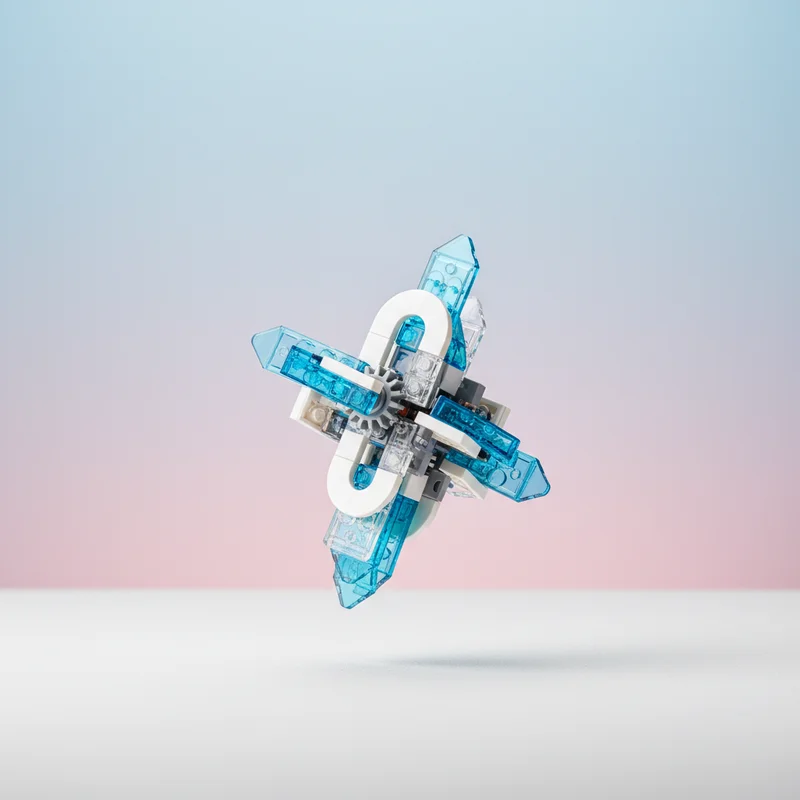
Lego

Lego

Interlocking plastic bricks and barefoot landmines.

VS
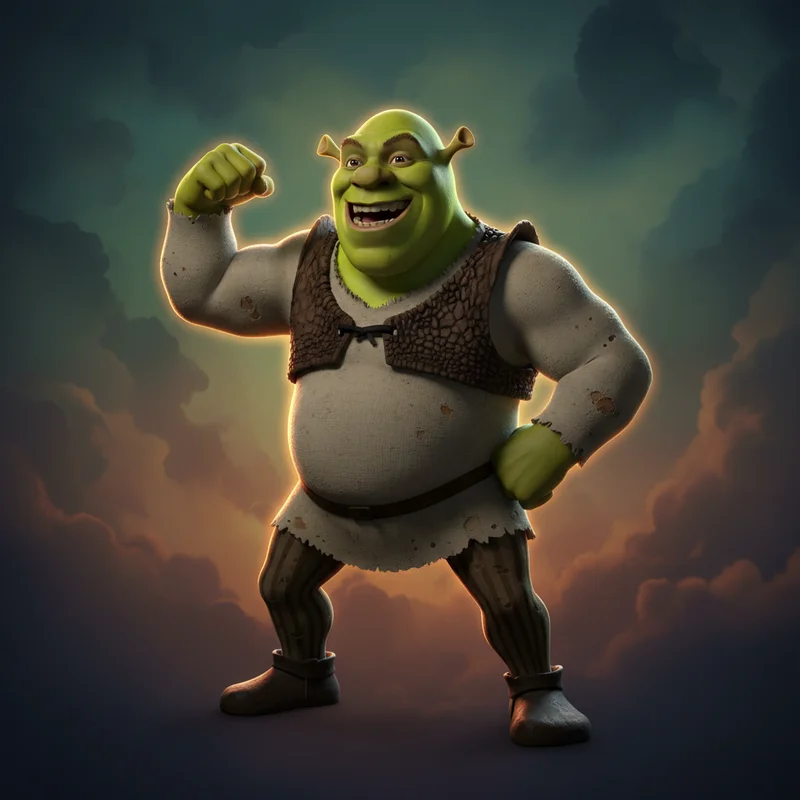
Shrek

Shrek

Ogre who proved layers matter.

Battle Analysis

Economic impact Lego Wins
70%
30%
Lego Shrek

Lego

The Lego Group generates approximately $9 billion annually, making it the world's largest toy company by revenue. This figure excludes the licensed theme parks, the blockbuster films, the video game franchise, and the secondary market where rare sets appreciate like fine art. A sealed Millennium Falcon can fetch more than an actual used car. The company employs over 24,000 people and consumes enough ABS plastic annually to circumnavigate Earth several times over if laid end to end. The economic ecosystem surrounding Lego includes resellers, YouTubers, and professional builders who earn six-figure incomes from coloured bricks.

Shrek

The Shrek franchise has generated approximately $3.5 billion in box office receipts alone, with the original film costing a mere $60 million to produce. Including merchandise, home video sales, and licensing deals, the green ogre has likely generated close to $7 billion in total revenue. The character's licensing agreements have adorned everything from breakfast cereals to theme park attractions, including the Shrek 4-D experience that operated for over two decades. However, franchise fatigue and the absence of new content have significantly reduced the commercial momentum that once seemed unstoppable.

VERDICT

Annual revenue exceeding the franchise's entire lifetime earnings demonstrates sustainable economic dominance over flash-in-the-pan success.
Cultural longevity Lego Wins
70%
30%
Lego Shrek

Lego

The Lego brick has remained fundamentally unchanged since 1958, a testament to design perfection that borders on the miraculous. Bricks manufactured in Billund sixty-five years ago still connect seamlessly with those produced yesterday. This backwards compatibility has created an unprecedented intergenerational bonding mechanism, with grandparents' collections merging into grandchildren's creations. The brand has survived video games, smartphones, and countless toy industry upheavals by simply refusing to become obsolete. Museum exhibitions, academic studies, and architectural movements have all embraced the humble brick as a legitimate medium for serious expression.

Shrek

Released in 2001, Shrek detonated in the cultural consciousness with the force of a donkey's bray. The franchise spawned three sequels, a spin-off series, stage musicals, and approximately forty-seven thousand internet memes. However, the property has lain somewhat dormant since 2010, its cultural presence maintained primarily through ironic appreciation and nostalgia cycles. The character's image has become shorthand for a particular brand of early-2000s irreverence, which both preserves and dates it. A fifth film announcement suggests the franchise recognises its need for revival rather than enjoying continuous relevance.

VERDICT

Sixty-five years of continuous relevance versus two decades of cyclical nostalgia. The brick endures where the ogre hibernates.
Philosophical depth Shrek Wins
30%
70%
Lego Shrek

Lego

Beneath its cheerful primary colours, Lego embodies profound philosophical questions. Is creation inherently valuable, or only when it serves purpose? The tension between instruction-following and free building mirrors debates about creativity versus conformity. The impermanence of Lego creations, often destroyed by siblings or time, teaches early lessons about attachment and loss. The system's modularity suggests a Leibnizian universe of interchangeable monads, each brick identical yet infinitely combinable. Academic papers have explored Lego as metaphor for everything from genetic code to social construction theory.

Shrek

Shrek operates as a surprisingly sophisticated meditation on beauty, acceptance, and authenticity. The film's central message that 'true love's form' embraces the beloved's actual self rather than an idealised version anticipates contemporary discourse on body positivity and self-acceptance. The ogre's layers, explicitly compared to onions, suggest that identity itself is constructed through accumulated experience. The sequel's exploration of class anxiety and social belonging resonated with audiences navigating their own feelings of inadequacy. For a film featuring a singing donkey, the philosophical payload is remarkably substantial.

VERDICT

Intentional philosophical messaging about identity and acceptance edges past emergent metaphorical interpretations of toy systems.
Creative inspiration Lego Wins
70%
30%
Lego Shrek

Lego

Lego operates on a principle of infinite possibility through finite means. Six standard 2x4 bricks can be combined in over 915 million different ways, a mathematical reality that has inspired architects, engineers, and artists worldwide. The system teaches spatial reasoning, planning, and the profound satisfaction of bringing imagination into physical form. Lego Ideas has transformed consumers into creators, with fan designs becoming official sets. The medium has been used to recreate everything from the Taj Mahal to functioning prosthetic limbs, demonstrating creative applications its inventors could never have imagined.

Shrek

Shrek's creative legacy lies in narrative subversion. The film taught a generation that heroes could be ugly, villains could be charming, and true love need not conform to conventional standards. This template influenced countless subsequent animated films and arguably launched the era of self-aware, reference-heavy family entertainment. The character inspired fan art, fan fiction, and an entire subculture of ironic appreciation that has produced some of the internet's most bewilderingly creative content. However, the inspiration is largely reactive rather than generative, commenting on existing tropes rather than providing tools for new creation.

VERDICT

Providing unlimited creative tools surpasses inspiring creative commentary. One enables creation; the other inspires reaction.
Pain infliction potential Lego Wins
70%
30%
Lego Shrek

Lego

The Lego brick represents one of humanity's most effective non-weaponised pain delivery systems. The phenomenon of stepping on a Lego brick barefoot has achieved such cultural notoriety that it functions as universal shorthand for unexpected agony. The physics are mercilessly efficient: the brick's sharp corners concentrate approximately 3.2 million pascals of pressure onto soft foot tissue. Emergency rooms have removed bricks from nostrils, ears, and locations best left unmentioned. The pain is so legendary that it has spawned countless memes, comedy routines, and at least one scientific study attempting to quantify the suffering.

Shrek

Shrek's capacity for pain infliction operates primarily on the psychological and auditory planes. Parents forced to endure seventeen consecutive viewings report symptoms resembling mild PTSD. The song 'All Star' by Smash Mouth has been weaponised in countless pranks, its opening notes triggering involuntary groans across entire generations. The character's flatulence and bodily function humour, while delighting children, has caused untold suffering to adults trapped in cinemas. However, this pain is avoidable through simple non-engagement, unlike the lurking brick that strikes without warning in the darkness of 3 AM.

VERDICT

Unavoidable physical agony trumps optional auditory suffering. The brick attacks without consent; the ogre requires participation.
👑

The Winner Is

Lego

54 - 46

This analysis reveals a contest between sustained dominance and explosive impact. Lego emerges victorious in four of five criteria, its supremacy built upon the unassailable foundation of practical utility combined with creative freedom. The Danish brick system has achieved something approaching permanence in an industry defined by obsolescence.

Yet Shrek's victory in philosophical depth suggests the ogre's contribution should not be dismissed as mere entertainment. The character normalised conversations about beauty standards and authentic self-acceptance for an entire generation, a legacy that transcends merchandise sales.

The final tally of 54 to 46 reflects this nuanced reality. Lego's comprehensive excellence across economic, creative, and cultural dimensions establishes clear superiority, but Shrek's concentrated impact in shifting societal narratives prevents this from becoming a rout. Both entities have earned their places in the cultural pantheon; they simply occupy different altitudes.

Lego
54%
Shrek
46%

Share this battle

More Comparisons