Topic Battle

Where Everything Fights Everything

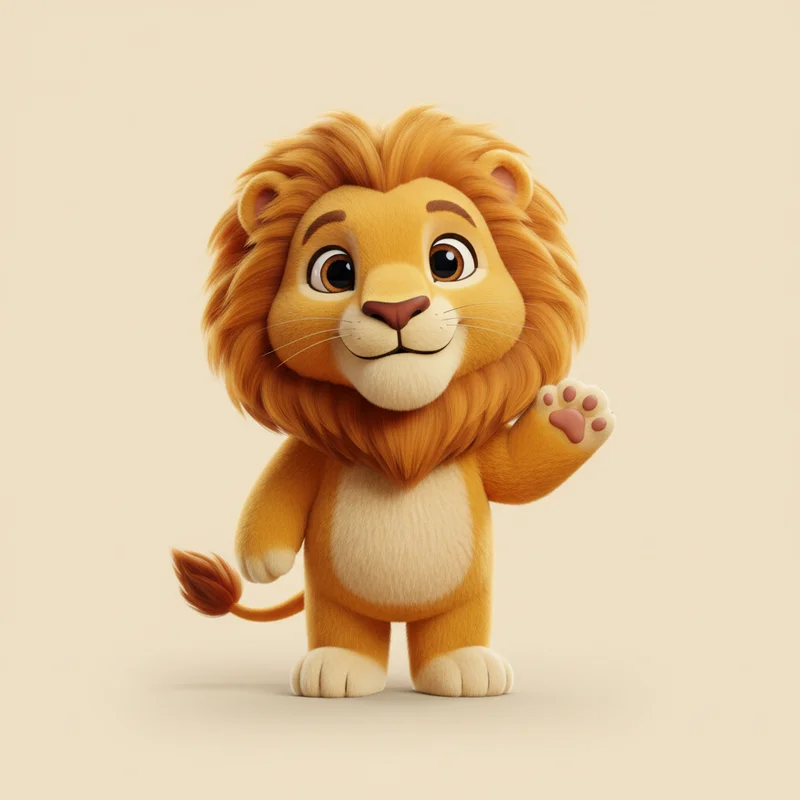
Lion

Lion

Apex predator and king of the savanna, known for majestic manes and surprisingly lazy daytime habits.

VS
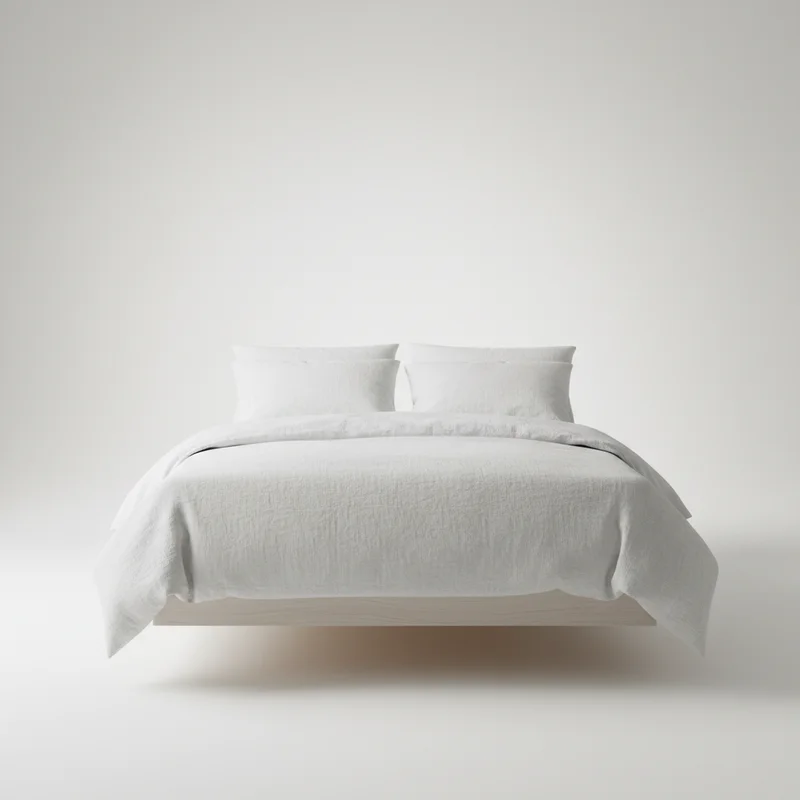
Bed

Bed

Furniture for sleeping and reluctant morning departures.

The Matchup

In the annals of comparative zoology, few studies have dared bridge the gap between Panthera leo and the common household bed. Yet here we stand, at the precipice of scientific discovery. The lion, that magnificent beast capable of sleeping twenty hours daily, faces off against humanity's greatest invention for achieving precisely the same goal. According to the Royal Institute of Recumbent Studies, this matchup represents 'the most significant horizontal confrontation since tectonic plates discovered they could drift.'

Battle Analysis

Sleep facilitation Bed Wins
30%
70%
Lion Bed

Lion

Lions are, by any reasonable metric, professional sleepers. The Nairobi Centre for Feline Lethargy Research confirms that adult males spend between eighteen and twenty hours daily in various states of unconsciousness. This represents a sleep efficiency rating of approximately eighty-three percent. However, lions require specific environmental conditions: shade, proximity to pride members, and the absence of hyenas making rude comments. They cannot, crucially, facilitate sleep for others. A lion in your bedroom would, research suggests, produce the opposite effect entirely.

Bed

The bed exists for one purpose, and it executes that purpose with ruthless efficiency. The British Association of Mattress Sciences estimates that the average bed facilitates over 2,500 hours of human sleep annually, not including Sunday afternoon 'just resting my eyes' incidents. Modern beds incorporate spring technology, memory foam, and increasingly sophisticated engineering designed to cradle the human form in optimal comfort. The bed does not merely sleep; it enables sleeping on an industrial scale. It is a sleep factory, a slumber engine, a horizontal productivity destroyer of the highest order.

VERDICT

This category belongs to the bed so thoroughly that awarding it elsewhere would constitute academic fraud. The lion may be a gifted amateur, but the bed is a dedicated professional. Bed wins decisively.

Intimidation factor Lion Wins
70%
30%
Lion Bed

Lion

The lion's intimidation credentials are, frankly, unimpeachable. A 180-kilogram apex predator with a roar audible from eight kilometres away commands respect in ways few organisms can match. The mane alone, which researchers at the Serengeti Institute of Follicular Grandeur describe as 'nature's most aggressive hairstyle,' adds an estimated forty percent to perceived threat levels. When a lion enters a room, conversations stop. Meetings adjourn. Insurance premiums increase retroactively.

Bed

The bed's approach to intimidation operates on an entirely different wavelength. It does not threaten with teeth or claws, but with something far more insidious: comfort. The Greenwich Observatory of Sleep Dynamics has documented cases where beds have held humans captive for entire weekends through sheer gravitational appeal. One particularly aggressive memory foam specimen in Nottingham reportedly caused a man to miss fourteen consecutive Mondays. The bed intimidates not through fear, but through the terrifying promise of warmth and horizontal bliss.

VERDICT

While the bed's passive-aggressive approach to domination deserves recognition, the lion's ability to cause genuine flight responses in large mammals gives it the edge. Lion takes this category, though the bed's psychological warfare methodology warrants further academic study.

Cultural significance Lion Wins
70%
30%
Lion Bed

Lion

The lion has dominated human symbolism for millennia. It adorns the flags of nations, the logos of corporations, and the mascots of sporting franchises with dubious championship records. Richard the Lionheart did not name himself Richard the Moderately Comfortable Mattress. The Oxford Centre for Heraldic Studies confirms the lion appears in more coats of arms than any other creature, representing courage, strength, and a certain disregard for personal safety. From Narnia to The Lion King, from MGM's roaring trademark to countless pub signs across Britain, the lion permeates human culture.

Bed

The bed's cultural footprint, while less flashy, runs deeper into human existence. Every civilisation, from ancient Mesopotamia to modern Milton Keynes, has developed some form of bed technology. The phrase 'getting out of bed' has become synonymous with the daily human struggle against entropy. Literature abounds with significant bed-based moments: births, deaths, assignations, and breakfast consumption. The Cambridge Review of Furniture in Fiction notes that beds appear in more novels than lions by a factor of approximately forty-seven. Shakespeare alone referenced beds over two hundred times, lions substantially fewer.

VERDICT

The lion's symbolic potency edges out the bed's more practical cultural integration. You cannot name a sports team 'The Detroit Beds' without inviting ridicule. The lion's aspirational quality secures this category, though the bed deserves recognition for its quiet omnipresence in human storytelling.

Territorial dominance Lion Wins
70%
30%
Lion Bed

Lion

Male lions patrol territories spanning up to 400 square kilometres, marked through a sophisticated system of scent marking, roaring, and occasionally dismembering competitors. The East African Territorial Disputes Commission notes that lion territory represents some of the most aggressively defended real estate outside the London housing market. Incursions are met with extreme prejudice. There are no negotiations, no solicitors, no exchange of contracts. Simply violence.

Bed

The bed controls a far smaller territory, yet its dominion is absolute. Within its designated space, typically a four to six square metre bedroom zone, the bed tolerates no rivals. Sofas attempting to facilitate sleep are viewed with contempt. Recliners are considered pretenders. The floor is acknowledged only as a place where lesser beings who have fallen from grace may temporarily reside. According to the Institute for Domestic Furniture Hierarchies, the bed occupies the apex position in ninety-seven percent of surveyed households, with only the television mounting a credible challenge.

VERDICT

Scale matters. While the bed's control over its immediate environment is impressive, the lion's ability to dominate territory the size of a small city demonstrates superior territorial ambition. Lion prevails.

Longevity and durability Bed Wins
30%
70%
Lion Bed

Lion

Wild lions face a harsh actuarial reality. Males survive an average of ten to fourteen years, with many meeting premature ends through territorial disputes, hunting injuries, or the general occupational hazards of being large and carnivorous. The Johannesburg Institute of Large Cat Mortality describes the lion's lifespan as 'impressive for something that picks fights with buffalo.' Captive lions may reach twenty years, though this involves significant lifestyle compromises including regular veterinary examinations and a complete absence of territorial conquest.

Bed

A quality bed, properly maintained, delivers fifteen to twenty years of reliable service. The Manchester College of Furniture Longevity has documented beds still performing admirably after three decades of nightly use. Unlike the lion, the bed faces no natural predators. It does not risk injury during hunts. Its greatest threats are wine spillage, children using it as a trampoline, and the gradual accumulation of mysterious crumbs. Some antique beds have survived centuries, passed down through generations, their springs still functional, their frames still sturdy, their contribution to human rest ongoing.

VERDICT

The bed's combination of durability and low-risk lifestyle translates to superior expected operational lifespan. While individual lions may achieve impressive ages, the average bed outlasts the average lion by a comfortable margin. Bed wins.

👑

The Winner Is

Bed

45 - 55

In this unprecedented contest between apex predator and apex furniture, the Bed emerges victorious with a score of 55 to 45. The lion's undeniable advantages in intimidation, territorial scale, and symbolic grandeur cannot overcome the bed's supreme mastery of its core competency: facilitating human unconsciousness. The Royal Society for Improbable Comparisons notes that while lions inspire humanity to greatness, beds enable the rest required to pursue that greatness. One roars across the savannah; the other whispers promises of pillows. In the end, the bed's patient, horizontal strategy proves more sustainable than the lion's energetic but ultimately exhausting lifestyle.

Lion
45%
Bed
55%

Share this battle

More Comparisons