Where Everything Fights Everything

Lion vs Bicycle

😜 Just for fun — a tongue-in-cheek, gloriously unscientific showdown.

Lion

Lion

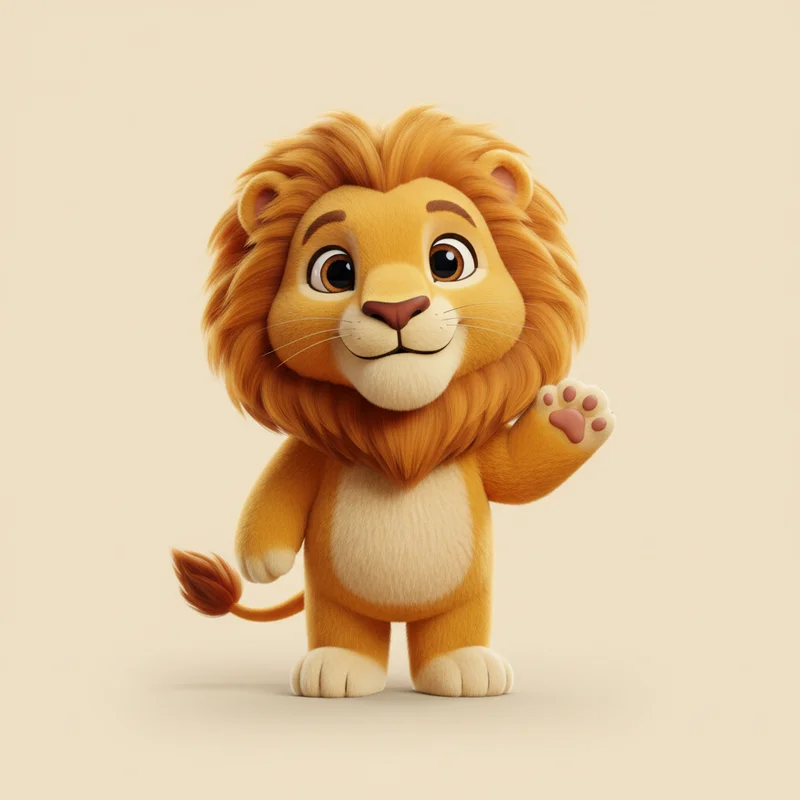
Apex predator and king of the savanna, known for majestic manes and surprisingly lazy daytime habits.

VS
Bicycle

Bicycle

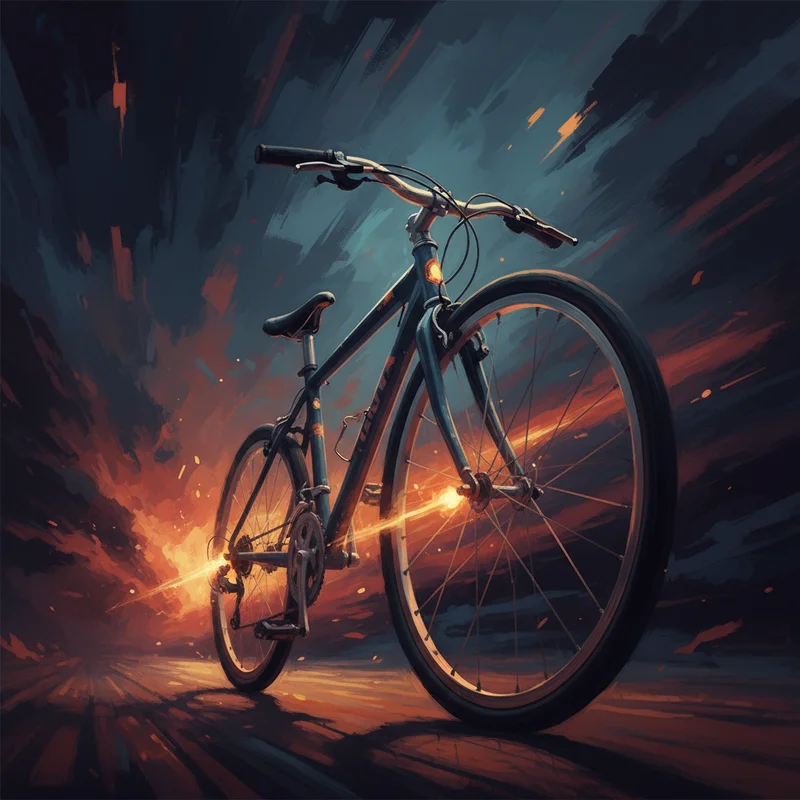
Two-wheeled human-powered transportation and fitness device.

The Matchup

The Panthera leo, commonly known as the lion, has terrorised the African savannah for approximately 3.5 million years. The bicycle, meanwhile, has only existed since 1817, yet has fundamentally altered human civilisation in ways the king of beasts could never comprehend. One possesses retractable claws capable of disembowelling a wildebeest; the other possesses a bell. Both, remarkably, inspire fierce loyalty among their advocates.

This analysis employs rigorous scientific methodology to determine which contender offers superior value to the discerning consumer seeking either apex predator ownership or sustainable transportation. The findings may disturb you.

Battle Analysis

Speed and mobility Bicycle Wins
🏆 Bicycle takes this round

Lion

The lion achieves a maximum velocity of 80 kilometres per hour in short bursts, typically lasting no more than one minute before requiring extensive recovery. This impressive statistic is somewhat undermined by the fact that lions spend approximately 20 hours daily in a state of profound unconsciousness. When awake, they display a marked reluctance to move unless food presents itself within pouncing distance.

Bicycle

A standard bicycle maintains 25-30 kilometres per hour indefinitely, limited only by the cardiovascular endurance of its operator. Professional cyclists regularly exceed 70 kilometres per hour on descents. Unlike the lion, the bicycle requires no rest periods, consumes no zebras, and can be legally operated on public roads in most jurisdictions.

VERDICT

Whilst the lion's burst speed exceeds that of most cyclists, the bicycle's sustained performance and lack of mandatory napping make it the superior choice for actual transportation. One cannot commute to work aboard a lion without significant legal complications.

Intimidation factor Lion Wins
🏆 Lion takes this round

Lion

The lion's roar reaches 114 decibels and can be heard from eight kilometres away. Its mere presence causes prey animals to experience immediate and profound existential dread. A lion in one's front garden would clear the area of unwanted visitors with remarkable efficiency. Insurance adjusters, however, tend to take a dim view of apex predator ownership.

Bicycle

The bicycle's intimidation capacity is limited to the modest ding of its bell, typically achieving no more than 80 decibels. Pedestrians occasionally acknowledge its presence. The bicycle has never caused a mass stampede, though aggressive cyclists in Lycra have been known to generate mild anxiety among the elderly.

VERDICT

The lion dominates this category comprehensively. No reasonable person would argue that a Raleigh hybrid poses comparable psychological threat to a 190-kilogram carnivore with four-inch canines. The lion wins by the sort of margin that suggests the competition was perhaps ill-advised.

Environmental impact Bicycle Wins
🏆 Bicycle takes this round

Lion

Lions function as keystone predators, maintaining ecosystem balance across the African savannah. However, their conservation status is Vulnerable, with populations declining due to habitat loss. A single lion's carbon footprint includes the methane output of its prey animals and the considerable logistics of conservation programmes.

Bicycle

The bicycle produces zero direct emissions during operation and requires minimal resources to manufacture. Cycling infrastructure reduces urban traffic congestion and air pollution. The bicycle has been described as the most efficient form of human transportation ever invented, converting food energy to motion at approximately 98% efficiency.

VERDICT

The bicycle represents humanity's finest achievement in sustainable mobility. The lion, whilst ecologically important, cannot be scaled to address urban transportation challenges without significant public safety concerns.

Cultural significance Lion Wins
🏆 Lion takes this round

Lion

The lion appears on the coats of arms of over forty nations and has symbolised royalty, courage, and power for millennia. From the Sphinx to the MGM logo, the lion's image pervades human culture. Richard the Lionheart did not, notably, style himself Richard the Bicycle.

Bicycle

The bicycle enabled the women's suffrage movement, with Susan B. Anthony declaring it had done more for women's emancipation than anything else. It democratised transportation for the working classes and continues to transform cities worldwide. The Netherlands has more bicycles than people, suggesting a level of cultural integration the lion has never achieved.

VERDICT

Both contenders possess profound cultural weight. The lion edges ahead through sheer historical longevity and symbolic ubiquity, though the bicycle's role in social liberation should not be underestimated. The lion wins, but respectfully.

Maintenance requirements Bicycle Wins
🏆 Bicycle takes this round

Lion

A captive lion requires approximately 4.5 to 7 kilograms of meat daily, translating to an annual food cost exceeding $10,000. Veterinary care for large felines is both expensive and limited in availability. The lion also requires 400 square metres of enclosure space minimum, regular enrichment activities, and a team of qualified handlers. It cannot be stored in a garage.

Bicycle

Annual bicycle maintenance typically costs between $50 and $150 for the average commuter. Parts are globally standardised and widely available. Storage requires approximately one square metre. The bicycle does not attempt to eat its owner during maintenance procedures, a significant advantage in terms of workplace safety compliance.

VERDICT

The economics are unambiguous. For the cost of feeding one lion for a single year, one could purchase approximately forty bicycles and service them all for a decade. The lion offers no bulk discount.

👑

The Winner Is

Bicycle

Takes 3 of 5 rounds

In a contest that initially appears absurd, the bicycle emerges victorious with 53% of the available points. This outcome reflects not a deficiency in the lion's natural magnificence, but rather the bicycle's extraordinary alignment with practical human needs. The lion remains nature's most impressive terrestrial predator; it simply makes for a catastrophically impractical commuting option.

The bicycle's triumph represents humanity's capacity to create tools that extend our capabilities beyond what evolution provided. The lion, by contrast, represents evolution's answer to the question of how to make an animal that can sleep twenty hours daily whilst remaining terrifying.

Share this battle

More Comparisons