
Where Everything Fights Everything

Lion vs Bubble Tea

😜 Just for fun — a tongue-in-cheek, gloriously unscientific showdown.

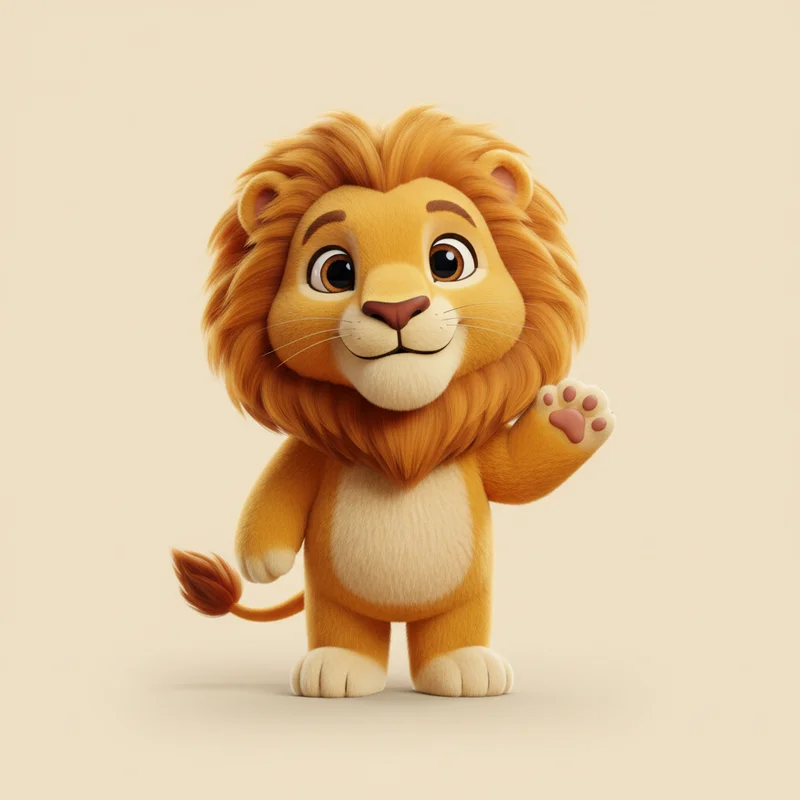
Lion

Lion

Apex predator and king of the savanna, known for majestic manes and surprisingly lazy daytime habits.

VS
Bubble Tea

Bubble Tea

Taiwanese tea with chewy tapioca pearls.

The Matchup

In the grand theatre of existence, few matchups provoke such philosophical contemplation as the confrontation between Panthera leo and the phenomenon known as bubble tea. One has spent two million years perfecting the art of ambush predation across the African plains. The other emerged from Taiwan in the 1980s and proceeded to establish global dominance through an entirely different strategy: chewy tapioca pearls suspended in sweetened tea.

This analysis employs rigorous scientific methodology to determine which entity truly deserves the title of apex predator in our modern ecosystem.

Battle Analysis

Adaptability Bubble Tea Wins
🏆 Bubble Tea takes this round

Lion

Lions demonstrate remarkable social adaptability within their ecological niche, forming the only truly social cat species with complex pride structures. However, their adaptability to environmental change has proven catastrophically limited. Rising temperatures, habitat fragmentation, and declining prey populations have pushed the species toward vulnerable status. Lions require approximately 50 square kilometres per individual to thrive—a demand increasingly difficult to satisfy.

Bubble Tea

Bubble tea's adaptability borders on the promiscuous. The beverage has spawned thousands of variants: fruit teas, cheese foam toppings, brown sugar iterations, and increasingly baffling combinations involving everything from Oreos to durian. Bubble tea shops have adapted to deliver apps, drive-throughs, and even vending machines. The drink requires no habitat beyond a supply chain and a willing consumer—resources that show no signs of depletion.

VERDICT

Evolution equipped the lion for a world that is rapidly disappearing. Bubble tea, conversely, was engineered for the modern consumer economy and continues to mutate into ever more marketable forms. One faces extinction pressures; the other faces only flavour-of-the-month competition.

Global reach Bubble Tea Wins
🏆 Bubble Tea takes this round

Lion

The lion's territory has experienced what conservationists diplomatically term significant contraction. Once roaming across Africa, the Middle East, and even southern Europe, Panthera leo now occupies less than 8% of its historic range. Approximately 20,000 individuals remain in the wild, confined largely to protected reserves. The species' expansion strategy—requiring vast territories and substantial prey populations—has proven incompatible with human agricultural ambitions.

Bubble Tea

Bubble tea has executed one of the most aggressive territorial expansions in beverage history. From a single shop in Taichung, Taiwan, the drink has colonised over 100 countries across six continents. The global bubble tea market reached $3.4 billion in 2023, with projections suggesting it will exceed $5 billion by 2030. Unlike the lion, bubble tea thrives precisely where humans congregate, turning shopping centres and high streets into its natural habitat.

VERDICT

Whilst the lion struggles to maintain its diminishing territories, bubble tea shops proliferate at a rate that would make even the most prolific pride envious. The tapioca pearl has achieved what the king of beasts could not: peaceful coexistence with urban development.

Economic impact Bubble Tea Wins
🏆 Bubble Tea takes this round

Lion

Lions generate substantial revenue through wildlife tourism, contributing an estimated $1.5 billion annually to African economies. Safari operations, conservation programmes, and the broader wildlife documentary industry depend heavily on the species' charismatic presence. However, lions also impose costs: livestock predation results in losses exceeding $100 million yearly, creating ongoing human-wildlife conflict.

Bubble Tea

The bubble tea industry employs hundreds of thousands globally, from tea farmers in Taiwan to the ubiquitous staff members who seal cups with alarming precision. The supply chain encompasses tapioca cultivation, tea production, flavouring manufacture, and an entirely separate economy devoted to novelty straws. Unlike lions, bubble tea generates profit without any associated livestock casualties—unless one counts the dairy industry's involvement in milk tea variants.

VERDICT

Pure economic output favours the beverage. Whilst lions remain net contributors to African tourism, bubble tea's commercial footprint spans virtually every populated region without requiring armed rangers to manage human interactions.

Intimidation factor Lion Wins
🏆 Lion takes this round

Lion

The lion's intimidation credentials are, frankly, impeccable. A 190-kilogram male possessing canines measuring up to 10 centimetres, retractable claws, and a roar audible from 8 kilometres away represents nature's most emphatic statement of authority. The mere sight of a lion has been triggering fight-or-flight responses in hominids for approximately two million years. No creature on Earth approaches a lion casually.

Bubble Tea

Bubble tea's intimidation operates through subtler mechanisms. The drink's ability to create queues exceeding 45 minutes outside popular establishments demonstrates a psychological hold that requires no teeth whatsoever. The social pressure to photograph one's bubble tea before consumption—the Instagram imperative—has created behavioural modifications in humans that no apex predator has achieved. Additionally, the fear of accidentally inhaling a tapioca pearl through an oversized straw represents a genuine, if modest, physical threat.

VERDICT

Despite bubble tea's impressive psychological influence, the lion's capacity to physically dismantle a Cape buffalo secures this category. One entity inspires lifestyle blogs; the other inspires genuine terror.

Cultural significance Lion Wins
🏆 Lion takes this round

Lion

The lion has accumulated millennia of symbolic weight. Present in the heraldry of nations from England to Ethiopia, depicted in cave paintings dating back 32,000 years, and embedded in religious texts from the Bible to Hindu mythology, the lion represents courage, royalty, and power across virtually every human civilisation. The species has been immortalised in everything from Aesop's fables to Disney animations, achieving cultural penetration that transcends language and geography.

Bubble Tea

Bubble tea's cultural significance, whilst more recent, demonstrates remarkable intensity. The drink has become a symbol of Asian identity in diaspora communities, a marker of generational taste preferences, and a genuine point of national pride for Taiwan. Social media engagement around bubble tea generates billions of impressions annually. The drink has inspired dedicated emoji campaigns, academic studies on its sociological impact, and passionate discourse regarding optimal sugar and ice levels.

VERDICT

Thirty-two thousand years of cultural accumulation cannot be matched by four decades of tapioca-based enthusiasm, however fervent. The lion's symbolic resonance is woven into the fabric of human civilisation itself. Bubble tea must content itself with dominating contemporary social media metrics.

👑

The Winner Is

Bubble Tea

Takes 3 of 5 rounds

The final tally stands at Bubble Tea 55, Lion 45—a result that will satisfy neither conservationists nor those who believe beverages should remain in their lane. The lion retains its crown in categories requiring raw power, historical depth, and the ability to terrify. Yet in the metrics that define modern success—market penetration, economic output, and adaptive capacity—the humble bubble tea has achieved what evolution could not prepare the lion to accomplish.

This outcome reflects no judgement on the relative value of apex predators versus sweetened beverages. It merely observes that in the contemporary ecosystem, the ability to franchise effectively may prove more advantageous than the ability to dismember a zebra.

Share this battle

More Comparisons