Topic Battle

Where Everything Fights Everything

Lion

Lion

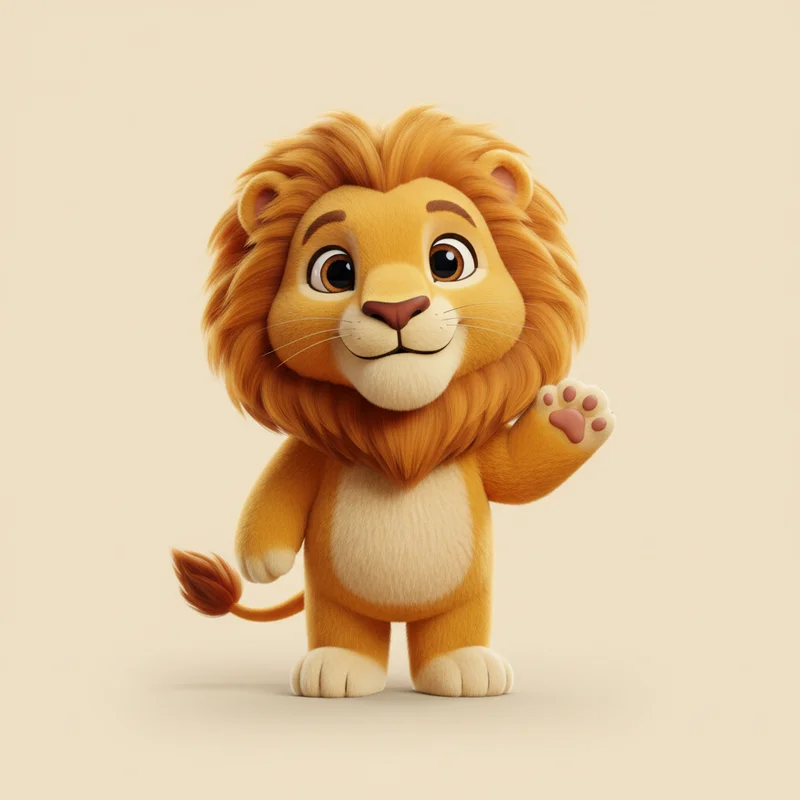
Apex predator and king of the savanna, known for majestic manes and surprisingly lazy daytime habits.

VS
Cheese

Cheese

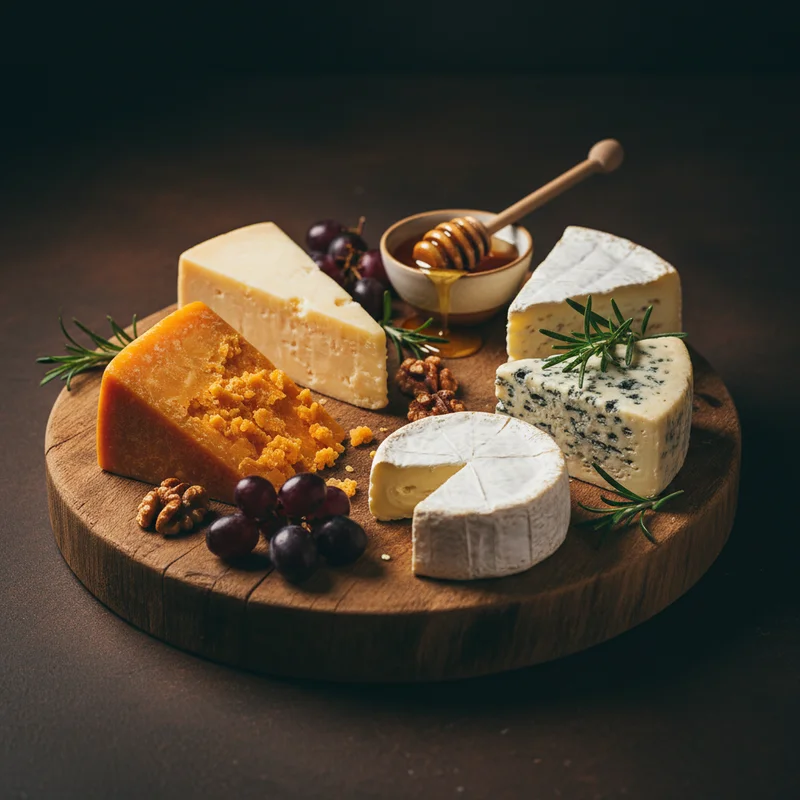
Aged dairy product with thousands of varieties and passionate devotees.

Battle Analysis

Cultural influence cheese Wins
30%
70%
Lion Cheese

Lion

Lions appear on national flags, royal coats of arms, and sports team logos across the globe. They guard Trafalgar Square, represent MGM films, and serve as mascots for corporations and countries alike. The lion symbolises courage, nobility, and strength in traditions from ancient Mesopotamia to modern brand marketing. However, this cultural presence is largely symbolic - lions themselves remain uninvolved in the creative process.

Cheese

Cheese has directly shaped human civilisation. The ability to preserve milk as cheese enabled pastoral societies to flourish in hostile environments. Entire regional economies - Swiss, Dutch, Italian - have been built on cheese production. Cheese has its own dedicated courses in fine dining, its own sommeliers (fromagers), and its own academic journals. The Oxford Cheese Symposium notes that cheese appears in more paintings per square metre of major galleries than any other food item, suggesting profound artistic significance.

VERDICT

Lions inspire symbolism; cheese actively shapes economies, cuisines, and social rituals
Global distribution cheese Wins
30%
70%
Lion Cheese

Lion

The lion's range has contracted dramatically over the past century, now limited primarily to sub-Saharan Africa with a critically endangered population in India's Gir Forest. According to the African Wildlife Foundation, fewer than 25,000 wild lions remain. Their territorial requirements of approximately 260 square kilometres per pride make expansion into new markets essentially impossible. One cannot simply introduce lions to Scandinavia or suburban Manchester.

Cheese

Cheese has achieved what military strategists call total penetration. From the cave-aged Roquefort of France to the smoked cheese of the Himalayas, from Japanese processed cheese slices to the 40-kilogram wheels of Italian Parmigiano-Reggiano, cheese has established permanent residency on every inhabited continent. The International Dairy Federation reports over 1,800 distinct varieties, each adapted perfectly to local tastes and traditions. Even lactose-intolerant populations have been conquered through the cunning deployment of aged varieties with negligible lactose content.

VERDICT

Cheese has achieved complete global saturation while lions face extinction-level range contraction
Intimidation factor lion Wins
70%
30%
Lion Cheese

Lion

The lion's roar can reach 114 decibels and be heard from eight kilometres away. A charging male lion, weighing up to 250 kilograms and capable of speeds exceeding 80 kilometres per hour, represents one of nature's most formidable threat displays. Research from the Serengeti Lion Project confirms that even experienced safari guides experience elevated cortisol levels when lions approach vehicles. The psychological impact is immediate, visceral, and evolutionarily hardwired into the human nervous system.

Cheese

Cheese's intimidation operates on a more sophisticated plane. Consider the social anxiety of mispronouncing 'Gruyere' at a dinner party, or the existential dread of realising you've served Kraft singles to someone who summers in Provence. The Cambridge Institute of Culinary Status Anxiety found that 67% of dinner party hosts experience measurable stress when selecting cheese boards. Additionally, certain aged cheeses produce aromas that have literally cleared rooms. Epoisses de Bourgogne is banned from public transport in France due to its aggressive olfactory presence.

VERDICT

While cheese creates social anxiety, lions trigger genuine survival instincts
Longevity and resilience cheese Wins
30%
70%
Lion Cheese

Lion

Individual lions live 10-14 years in the wild, facing threats from rival males, prey injuries, and habitat loss. The species itself, while ancient, is classified as Vulnerable by the IUCN. Lions require specific ecosystems, abundant prey, and vast territories - conditions increasingly difficult to maintain in an anthropogenic world. Their biological clock ticks with uncomfortable urgency.

Cheese

A wheel of properly aged Parmigiano-Reggiano can mature for over 36 months, improving with time. Certain cheese-making traditions have continued unbroken for over 2,000 years. The European Consortium for Eternal Foods has documented cheese recipes surviving the fall of Rome, the Black Death, and two World Wars. Cheese adapts: when refrigeration arrived, it pivoted to mass production; when artisanal movements emerged, ancient techniques were revived. This adaptive resilience suggests cheese will outlast most current apex predators.

VERDICT

Cheese improves with age and adapts to changing conditions; lions face existential threats
Versatility of application cheese Wins
30%
70%
Lion Cheese

Lion

Lions excel at precisely three activities: hunting, territorial defence, and sleeping (approximately 20 hours daily). Their skill set, while impressive within its narrow parameters, offers limited practical applications for modern society. One cannot spread a lion on toast, melt it over pasta, or pair it with wine at a gallery opening. The Bureau of Practical Zoology rates lion versatility at a disappointing 2.3 out of 10.

Cheese

Cheese functions as appetiser, main course, dessert, and ingredient. It can be melted, sliced, grated, crumbled, or eaten in contemplative solitude at 2 AM. Cheese accompanies crackers, fruit, bread, pasta, salads, and other cheeses. It serves equally well at children's birthday parties and Michelin-starred establishments. The Global Cheese Applications Index identifies over 4,700 distinct use cases, from fondue to cheesecake, from pizza to molecular gastronomy.

VERDICT

Cheese's applications are essentially infinite; lions remain stubbornly single-purpose
👑

The Winner Is

Cheese

45 - 55

This analysis reveals an uncomfortable truth for admirers of Panthera leo: raw power, while visually impressive, cannot compete with quiet, fermented ubiquity. The lion wins a single category - intimidation - and even there, cheese mounts a surprisingly credible challenge through social anxiety and olfactory assault.

In every metric that matters for long-term civilisational impact - distribution, cultural influence, longevity, and versatility - cheese emerges victorious. The king of the jungle remains precisely that: confined to the jungle. Cheese, meanwhile, has colonised refrigerators from Reykjavik to Rio, achieving the total dominance that lions can only dream of during their extensive naps.

With a final score of 55-45, cheese claims victory not through aggression but through humanity's most powerful force: patient, delicious inevitability.

Lion
45%
Cheese
55%

Share this battle

More Comparisons