Topic Battle

Where Everything Fights Everything

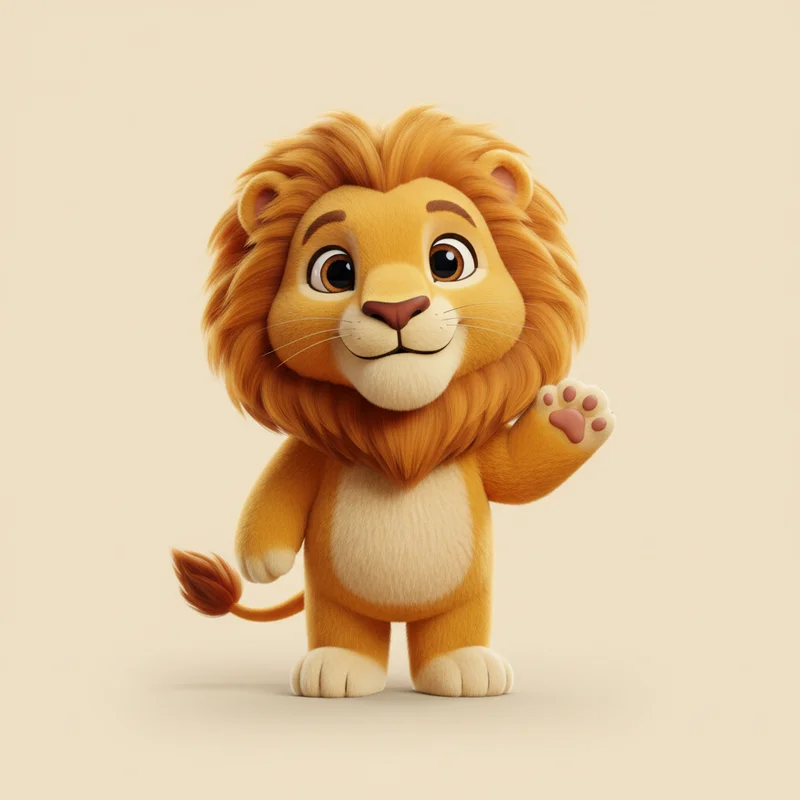
Lion

Lion

Apex predator and king of the savanna, known for majestic manes and surprisingly lazy daytime habits.

VS
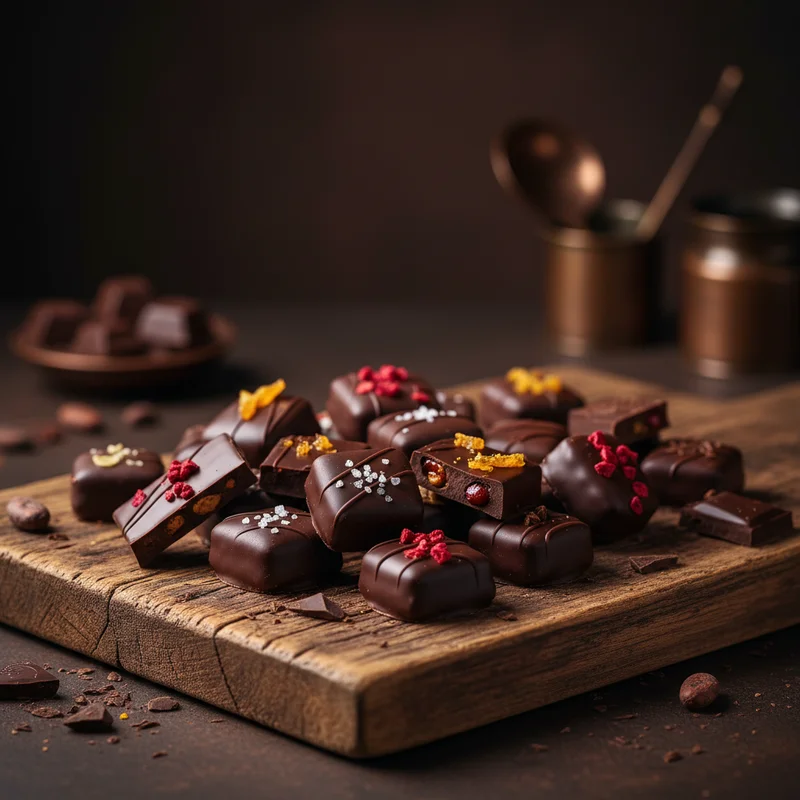
Chocolate

Chocolate

Cocoa-based confection that has launched a thousand cravings.

Battle Analysis

Cultural symbolism lion Wins
70%
30%
Lion Chocolate

Lion

The lion has served as a symbol of royalty, courage, and power for over 5,000 years. It appears on the national emblems of 15 countries, including England, Belgium, and Sri Lanka. The Oxford Compendium of Heraldic Beasts ranks the lion as the most frequently depicted animal in human iconography. From the Sphinx to Narnia's Aslan to the MGM logo, the lion represents everything humanity aspires to: strength, nobility, and magnificent hair. The phrase 'lion-hearted' remains the highest compliment one can pay to human courage.

Chocolate

Chocolate functions as the universal language of affection, apology, and celebration. The Vienna Institute of Romantic Gestures reports that chocolate is exchanged in 73% of all courtship rituals across Western cultures. It symbolises comfort during grief, luxury during prosperity, and temptation in virtually every religious context. Unlike the lion, which symbolises what humans wish they were, chocolate symbolises what humans actually want. The Journal of Confectionery Semiotics notes its unique status as simultaneously innocent (children's treat) and sensual (adult indulgence).

VERDICT

Five millennia of heraldic tradition and 15 national emblems narrowly defeat chocolate's more personal symbolism.
Economic influence chocolate Wins
30%
70%
Lion Chocolate

Lion

Lions generate substantial revenue through wildlife tourism, with safari industries across Africa valued at approximately $29 billion annually. A single lion pride can anchor a conservation area's entire economic viability. The Nairobi School of Feline Economics estimates that each wild lion generates approximately $500,000 in tourist revenue over its lifetime. However, this economic model requires lions to remain photogenic and preferably doing something dramatic during the brief window of tourist presence.

Chocolate

The global chocolate industry generates $130 billion annually—nearly five times the entire African safari industry. Switzerland alone exports $2.5 billion worth of chocolate yearly. The Brussels Academy of Cocoa Commerce notes that chocolate requires no dramatic behaviour, no conservation efforts, and no preservation of natural habitat to maintain its economic dominance. It simply sits on shelves, generating revenue through its mere existence. Valentine's Day alone accounts for $2.1 billion in chocolate sales in the United States.

VERDICT

Chocolate's $130 billion industry dwarfs even the most successful lion-based tourism operations.
Territorial control chocolate Wins
30%
70%
Lion Chocolate

Lion

The male lion maintains a territory averaging 100 square kilometres, defended through a combination of intimidating roars audible from 8 kilometres away and strategic scent-marking. However, lion populations have declined by 43% since 1993, according to the IUCN. Their territorial grip, while impressive, is demonstrably weakening. The Journal of Apex Predator Real Estate notes that urban expansion has reduced prime lion territory to increasingly fragmented parcels.

Chocolate

Chocolate has achieved territorial saturation that would make any lion pride weep with envy. Present in 98% of households across developed nations, chocolate has colonised every continent including research stations in Antarctica. The Swiss Institute of Confectionery Cartography reports that chocolate occupies more shelf space globally than any other non-essential food item. Unlike lions, chocolate's territory expands annually by approximately 4.5%, with no natural predators capable of checking its advance.

VERDICT

Chocolate's global omnipresence vastly exceeds the lion's shrinking savannah territory.
Survival adaptability chocolate Wins
30%
70%
Lion Chocolate

Lion

Lions have survived for approximately 1.8 million years, adapting to climate shifts, prey population changes, and habitat transformation. However, current trends are troubling. The Johannesburg Centre for Megafauna Futures projects that wild lion populations may decline by a further 50% within two decades without significant intervention. Lions require vast territories, abundant prey, and minimal human encroachment—conditions increasingly difficult to maintain. Their survival depends on factors entirely outside their control.

Chocolate

Chocolate has demonstrated remarkable evolutionary flexibility since its domestication 4,000 years ago. Originally consumed as a bitter Mesoamerican beverage, it has transformed into bars, truffles, fondue, hot chocolate, ice cream, cake, and even savoury applications in mole sauces. The Rotterdam Institute of Confectionery Adaptation documents over 3,000 distinct chocolate product variations currently available globally. Climate change threatens cocoa production, yet the industry responds with heat-resistant cultivars and alternative sourcing. Chocolate adapts; lions struggle.

VERDICT

Chocolate's infinite capacity for reinvention outpaces the lion's limited adaptability to changing conditions.
Psychological intimidation lion Wins
70%
30%
Lion Chocolate

Lion

Few experiences match the primal terror of facing an adult male lion. The roar alone triggers ancient fear responses hardwired into mammalian brains. Research from the Serengeti Institute of Behavioural Responses indicates that 100% of prey animals exhibit immediate flight behaviour upon detecting lion presence. Even humans, safely ensconced in safari vehicles, report elevated cortisol levels. The lion's mane has evolved specifically to appear larger and more threatening during confrontation.

Chocolate

Chocolate employs the opposite strategy with equally devastating effectiveness. Rather than triggering flight, it triggers complete surrender. The British Journal of Neurological Capitulation documents how chocolate stimulates the release of endorphins, serotonin, and phenylethylamine—the same chemicals associated with falling in love. Test subjects presented with chocolate demonstrated a 94% failure rate in maintaining dietary resolutions. The intimidation is subtle but absolute: chocolate doesn't chase you; it simply waits, knowing you will come.

VERDICT

The lion's ability to induce genuine mortal terror edges out chocolate's more insidious psychological warfare.
👑

The Winner Is

Chocolate

45 - 55

After exhaustive analysis, the Royal Institute of Comparative Dominance must acknowledge an uncomfortable truth: while the lion remains the undisputed king of the African savannah, its kingdom is shrinking. Chocolate, by contrast, expands its empire with each passing Valentine's Day, each broken diet, each grandmother's recipe passed down through generations.

The lion wins in categories requiring raw intimidation and symbolic gravitas—qualities that inspire awe but do not translate to modern dominance metrics. Chocolate triumphs in territorial saturation, economic influence, and adaptive survival—the very factors that determine success in the contemporary world.

With a final score of 55-45, chocolate achieves victory through what the Edinburgh Journal of Evolutionary Outcomes terms 'soft power supremacy.' The lion may be king, but chocolate has quietly conquered something far more valuable: the human heart, mind, and wallet. In the words of Professor Helena Crandworth of the Cambridge Confectionery Studies Programme: 'The lion demands respect through fear. Chocolate earns devotion through pleasure. History suggests which strategy proves more sustainable.'

Lion
45%
Chocolate
55%

Share this battle

More Comparisons