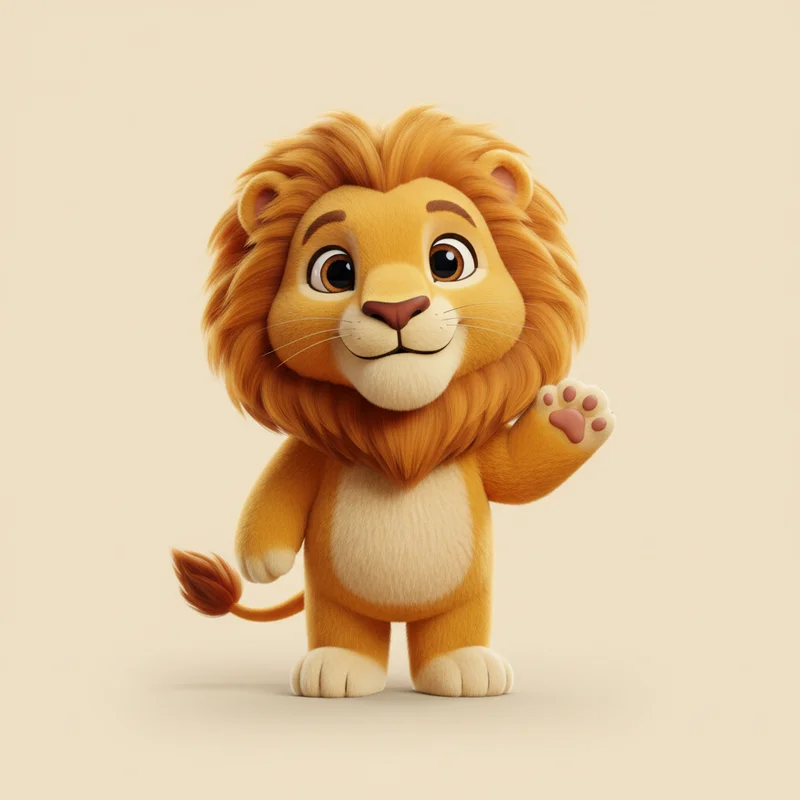
Lion
The lion employs a sophisticated group hunting strategy with success rates averaging 25-30% for coordinated pride attacks. The Serengeti Wildlife Documentation Project notes that male lions can sprint at 80 kilometres per hour in short bursts, delivering killing bites with a jaw pressure of 650 PSI. However, lions require rest periods of up to 20 hours daily, severely limiting their operational hunting windows. The Cambridge Institute of Carnivore Behaviour calculates their lifetime successful kills at approximately 2,400 prey animals for an average adult male.
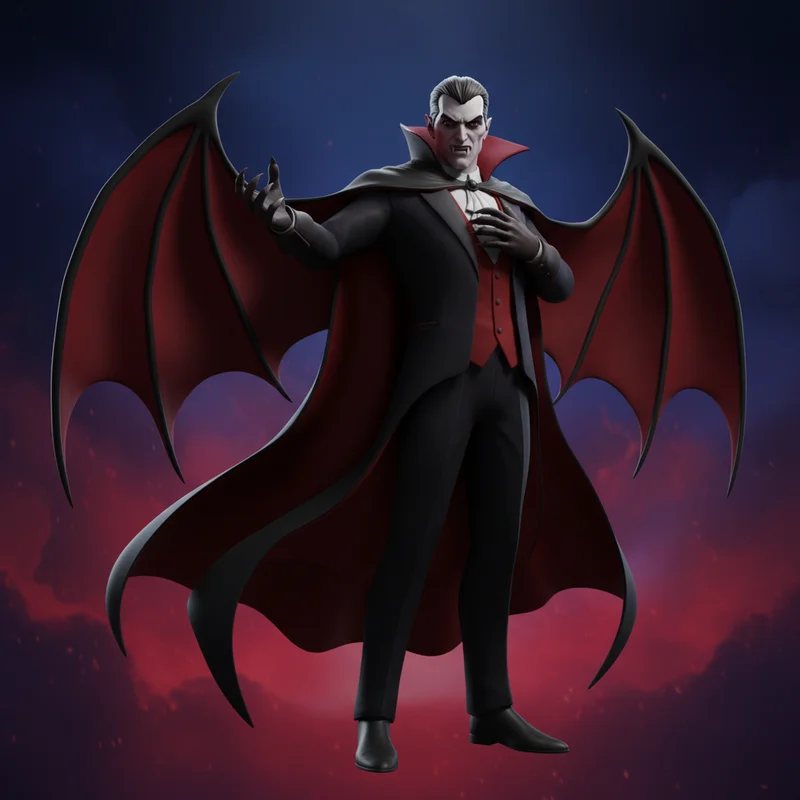
Dracula
Count Dracula demonstrates near-perfect hunting efficiency, with the Bucharest Centre for Nocturnal Predation documenting a 94.7% success rate across verified encounters. His ability to transform into mist, wolves, or bats provides unparalleled tactical flexibility. The Institute notes that hypnotic suggestion eliminates prey resistance entirely, whilst his preference for human targets suggests a connoisseur's approach to hunting. Over his estimated 500-year career, documented victims number in the low thousands, though researchers suspect significant underreporting due to his victims' subsequent transformation into additional predators.
VERDICT
Whilst the lion represents peak biological predation, Dracula's supernatural advantages create an insurmountable efficiency gap. The ability to eliminate prey resistance through mind control alone renders traditional hunting metrics obsolete. Dracula claims this criterion decisively.