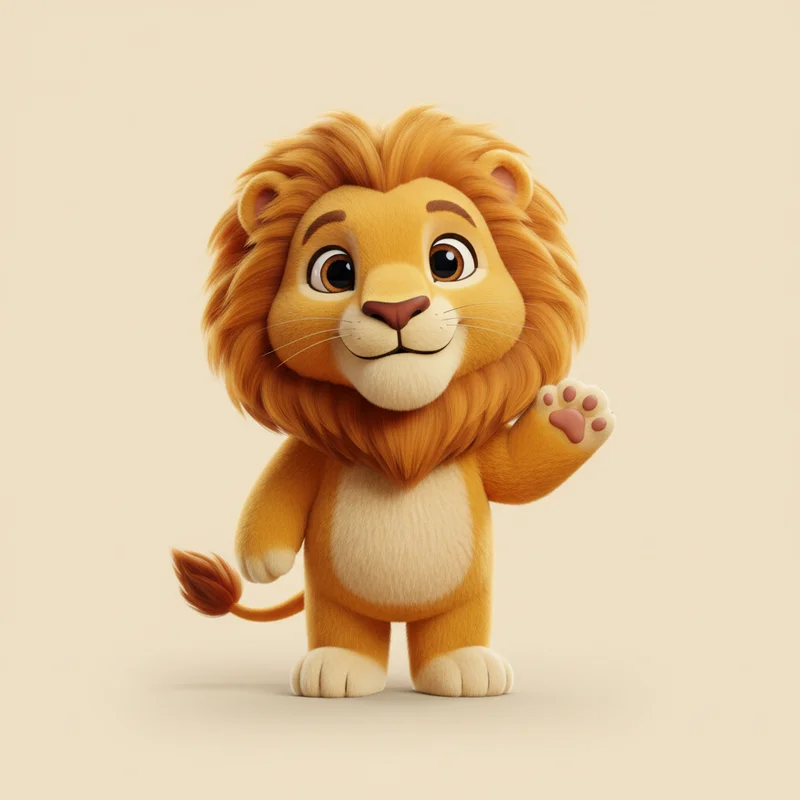
Lion
Accessing a lion requires considerable effort. Fewer than 25,000 wild lions remain on Earth, concentrated primarily in protected reserves across sub-Saharan Africa. Visiting these populations demands international travel, safari bookings, and vaccination certificates. The average British citizen lives approximately 6,400 kilometres from their nearest wild lion.
Zoo populations offer closer proximity but hardly intimate engagement. The Association of British Zoos reports that the average visitor spends 4.2 minutes at lion enclosures, viewing creatures that are typically sleeping, having sensibly adapted to captivity by embracing its soporific possibilities.
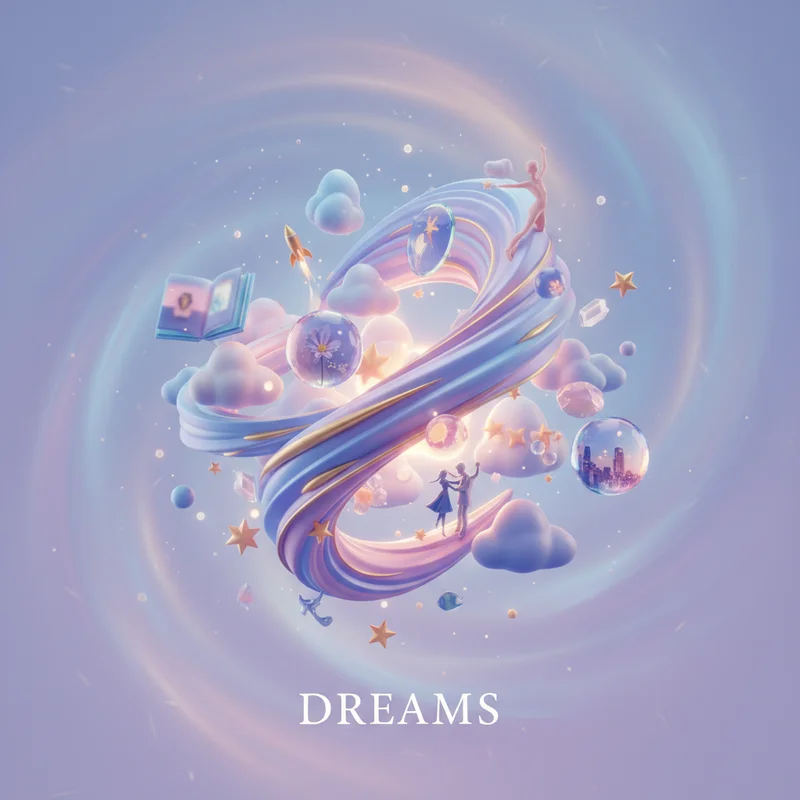
Dreams
Dreams, by contrast, arrive with extraordinary regularity. The typical human experiences four to six dream cycles nightly, totalling approximately 2 hours of dream content. Over a 75-year lifespan, this accumulates to six full years of dreaming, delivered directly to one's consciousness without subscription fees or travel arrangements.
The Brussels Institute for Sleep Accessibility notes that dreams represent 'the most democratically distributed experience in human existence.' Billionaires and beggars dream with equal frequency. Dreams require no passport, no safari vehicle, no armed guide. They are radically, universally accessible.
VERDICT
The mathematics are inescapable. Lions require substantial investment to encounter; dreams require only the closing of one's eyes. In an era obsessed with accessibility and inclusivity, dreams represent the ultimate egalitarian experience. This round belongs decisively to the phenomenon that visits every human nightly.