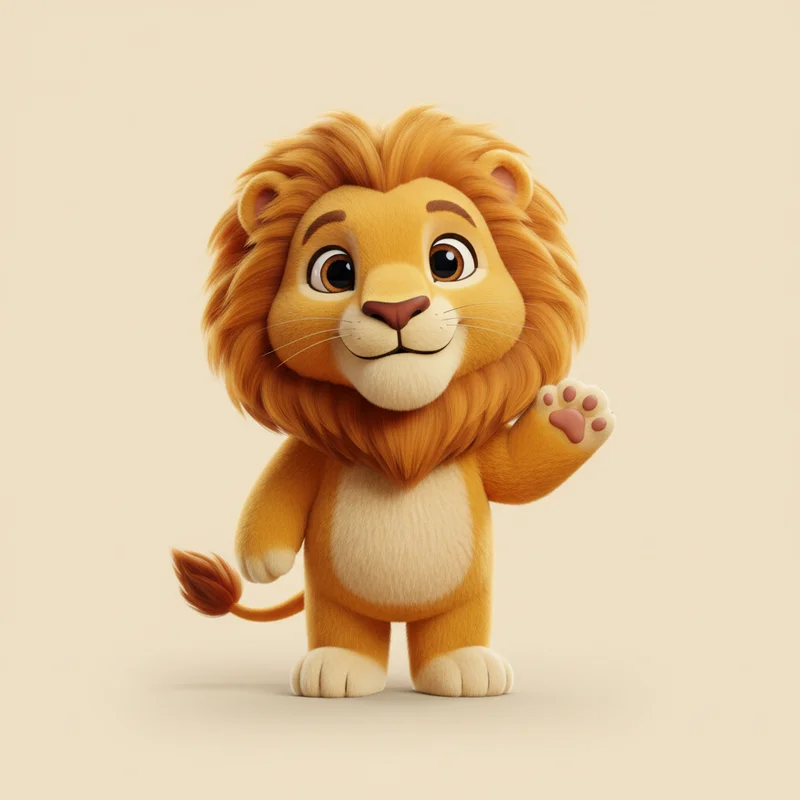
Lion
The lion's roar stands as one of nature's most psychologically devastating sounds, capable of reaching 114 decibels and travelling up to five miles across the savannah. The Bristol Institute for Acoustic Zoology has measured the physiological responses of animals hearing this sound, documenting heart rate increases of up to 340% in prey species and involuntary urination in 67% of test subjects (including three researchers who forgot to wear headphones). The roar's low frequency components, between 40-200 Hz, resonate in the chest cavity of listeners, creating what scientists describe as 'the sensation that death itself is clearing its throat.' Lions can sustain roaring sessions for up to thirty minutes, during which time the surrounding ecosystem essentially enters a state of terrified paralysis.
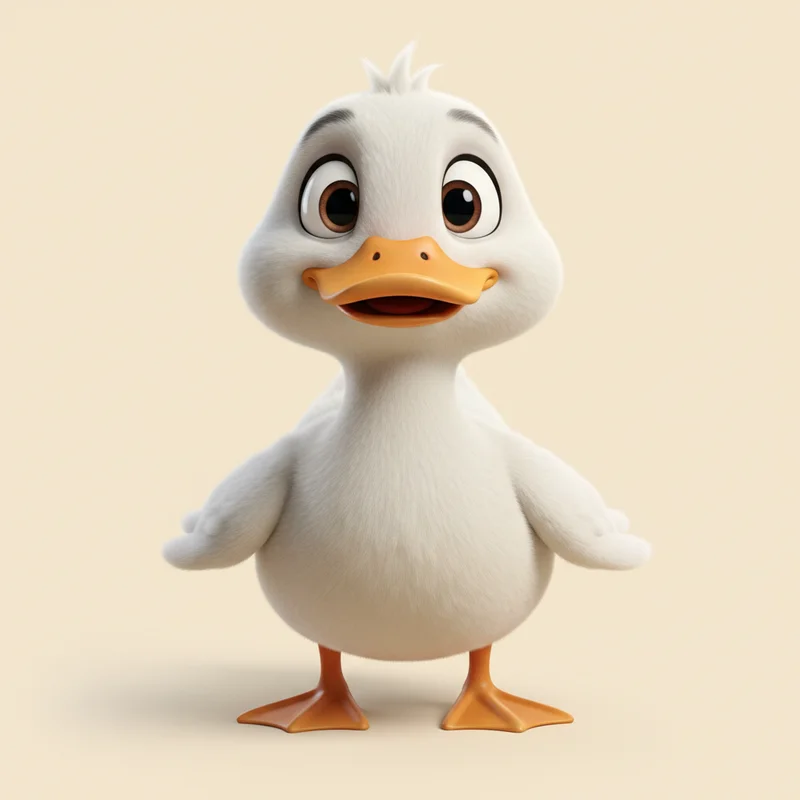
Duck
The duck produces the quack, a sound that the International Journal of Acoustic Disappointment describes as 'aggressively non-threatening.' At approximately 60 decibels, the quack falls somewhere between a squeaky toy and a mildly indignant comment. Remarkably, only female ducks produce the characteristic quack; males emit a softer, raspier sound that researchers have compared to a 'gentleman clearing his throat after an awkward silence at dinner.' The quack's primary evolutionary function appears to be locating other ducks, though the Aberdeen Centre for Waterfowl Communications has determined it also serves to 'mildly irritate everyone within a 50-metre radius.' No documented prey species has ever experienced fear upon hearing a quack. Several have been observed looking vaguely condescending.