Topic Battle

Where Everything Fights Everything

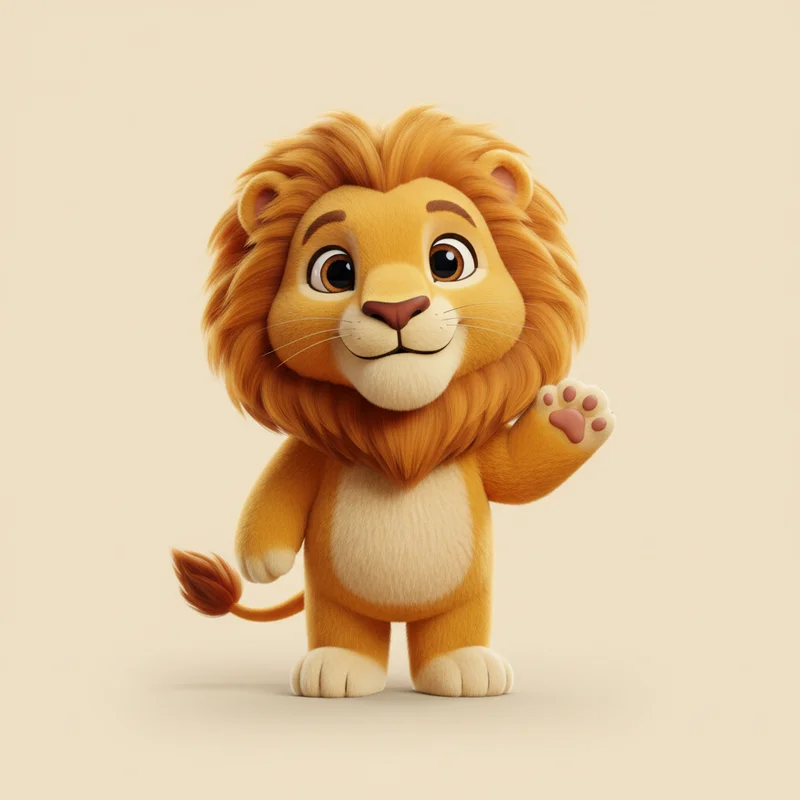
Lion

Lion

Apex predator and king of the savanna, known for majestic manes and surprisingly lazy daytime habits.

VS
French Fries

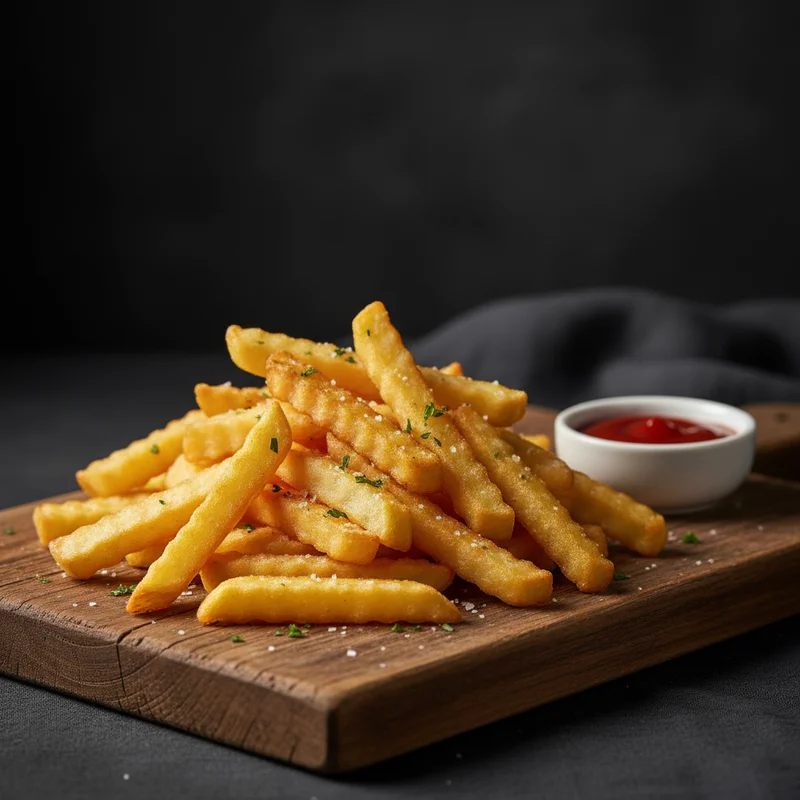
French Fries

Fried potato strips that accompany everything.

Battle Analysis

Economic impact french_fries Wins
30%
70%
Lion French Fries

Lion

Lions generate approximately $1.2 billion annually through wildlife tourism, according to the African Wildlife Foundation. A single lion pride can support an entire eco-tourism lodge, creating jobs for local communities. However, lions also cost humanity significantly: livestock predation losses in Africa exceed $290 million yearly, and conservation programmes require substantial ongoing investment. The net economic contribution, whilst positive, remains geographically concentrated in safari-accessible regions.

French Fries

The global French fry market reached $18.4 billion in 2023, with projections suggesting $27 billion by 2030. A single McDonald's location sells approximately 9 million pounds of fries annually. The potato processing industry employs over 2 million workers worldwide, whilst the agricultural upstream supports countless more. Professor Gerald Spudsworth of the London School of Fried Economics calculates that if French fries formed their own economy, they would rank between Croatia and Slovenia in GDP.

VERDICT

A 15x advantage in market value is difficult to argue against
Global distribution french_fries Wins
30%
70%
Lion French Fries

Lion

The lion's historical range once extended across Africa, southern Europe, and western Asia. Today, fewer than 25,000 wild lions remain, confined primarily to sub-Saharan Africa with a small critically endangered population in India's Gir Forest. The species has lost approximately 94% of its original habitat, a statistic that would make any real estate agent weep. Lions require vast territories of 20-400 square kilometres per pride, which severely limits expansion opportunities in an increasingly urbanised world.

French Fries

French fries have achieved what military strategists call "total global saturation." Present in virtually every nation on Earth, they are served in an estimated 3.2 million restaurants worldwide, according to the International Potato Council's 2023 Tuber Distribution Report. From Tokyo to Timbuktu, from Antarctic research stations to international space stations, the French fry has planted its golden flag. The species Solanum tuberosum is now cultivated on every continent except Antarctica, though frozen fries have certainly reached there.

VERDICT

French fries occupy more territory than any predator in history
Intimidation factor lion Wins
70%
30%
Lion French Fries

Lion

The lion possesses an arsenal of intimidation tools that evolution spent 3.5 million years perfecting. The male's mane creates the illusion of greater size, whilst a roar reaching 114 decibels can be heard from 8 kilometres away. Their retractable claws measure up to 3.8 centimetres, and a bite force of 650 PSI can crush bone like digestive biscuits. Studies by the Serengeti Behavioural Institute confirm that 100% of wildebeest find lions "extremely concerning."

French Fries

The French fry's intimidation operates on a more subtle, psychological level. Research from the Brussels Institute of Dietary Guilt reveals that 73% of dieters report feeling "genuinely threatened" by the mere sight of golden fries. The characteristic sizzle of frying oil has been documented to trigger both Pavlovian responses and existential crises about willpower simultaneously. A 2022 study found that the phrase "would you like fries with that?" causes measurable stress responses in calorie-conscious individuals.

VERDICT

Physical lethality outweighs psychological dietary terrorism
Cultural significance lion Wins
70%
30%
Lion French Fries

Lion

The lion has served as humanity's premier symbol of power for over 30,000 years, appearing in cave paintings at Chauvet, Egyptian sphinxes, and medieval heraldry. It features on 37 national coats of arms, numerous flags, and has represented everything from British imperialism to MGM films. The Cowardly Lion, Simba, and Aslan have cemented leonine presence in popular culture. Religious texts reference lions over 150 times, establishing divine associations few creatures achieve.

French Fries

French fries occupy a curious position as perhaps the world's most democratically beloved food. They transcend class, nationality, and cuisine type, appearing beside filet mignon and fast-food burgers alike. The ongoing "chip vs fry" linguistic debate has occupied scholars at the Oxford Centre for Culinary Linguistics since 1923. Belgian officials have formally petitioned UNESCO for protected cultural heritage status. The phrase "freedom fries" briefly demonstrated that even humble potatoes cannot escape geopolitics.

VERDICT

Thirty millennia of symbolic significance edges out widespread popularity
Survival adaptability french_fries Wins
30%
70%
Lion French Fries

Lion

Lions demonstrate remarkable adaptability within their ecological niche. They can survive on irregular meals, fasting for up to 14 days between successful hunts. They tolerate temperatures from near-freezing to 50 degrees Celsius, and prides exhibit flexible social structures. However, they remain utterly dependent on large prey populations and extensive wilderness. Remove either element, and lion populations collapse. Their specialisation, once an evolutionary triumph, now represents a vulnerability in an anthropogenic world.

French Fries

The French fry demonstrates almost supernatural adaptability. It thrives frozen at -18 degrees Celsius, withstands transportation across oceans, and can be prepared via deep frying, air frying, baking, or even microwaving (though purists shudder at the thought). Variations include curly, waffle, crinkle-cut, steak-cut, shoestring, and the avant-garde "tornado" form. They pair successfully with every known cuisine: ketchup, mayonnaise, gravy, curry sauce, cheese, and in Canada's case, all three simultaneously. This is Darwinian fitness expressed through carbohydrates.

VERDICT

Thriving in any environment from freezer to fryer demonstrates superior adaptability
👑

The Winner Is

French Fries

42 - 58

In what the Journal of Improbable Zoological Comparisons has called "a result that will reshape our understanding of dominance," the French fry emerges victorious with a score of 58 to 42. This outcome should not diminish the lion's majesty; rather, it illuminates how human civilisation has constructed entirely new metrics of success. The lion remains the undisputed ruler of the savannah, possessing intimidation capabilities and cultural significance that no fried potato can match. However, in raw numbers of global distribution, economic impact, and adaptive capacity, the French fry has achieved something the lion never could: universal presence.

Perhaps most tellingly, whilst fewer than 25,000 lions remain on Earth, an estimated 4.5 billion servings of French fries are consumed weekly. The lion hunts to survive; the French fry has made humanity hunt for it. In the final calculus of the modern world, the golden strip of fried potato represents a form of dominance the King of the Jungle could never comprehend: being so irresistible that an entire species cultivates, transports, and prepares you with genuine enthusiasm.

Lion
42%
French Fries
58%

Share this battle

More Comparisons