
Lion
Lions kill approximately 250 humans annually, primarily in Tanzania and Mozambique. A charging lion reaches speeds of 80 kilometres per hour, and its claws extend to 38 millimetres. The African Wildlife Mortality Database classifies lions as 'extremely dangerous' and strongly advises against casual interaction.
Despite this fearsome reputation, lions display remarkable predictability. They hunt when hungry, defend territory when threatened, and sleep approximately 20 hours daily. One can, with reasonable confidence, avoid lion-related danger by simply not entering their habitat.
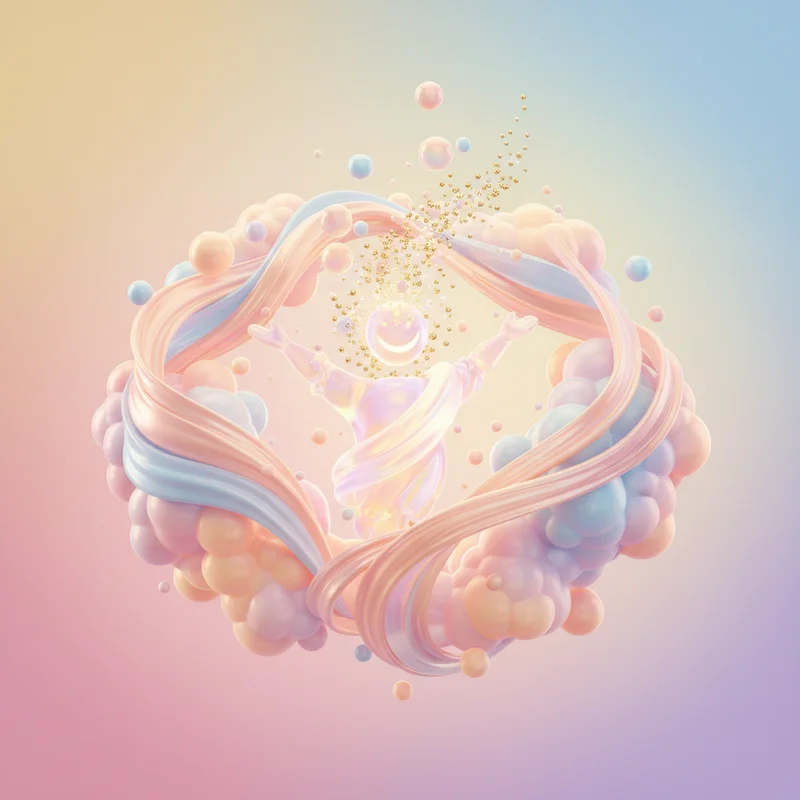
Happiness
Happiness presents dangers of an entirely different nature. The Copenhagen Institute for Emotional Epidemiology links the pursuit of happiness to increased anxiety, depression, and existential despair in 34% of subjects. The relentless cultural pressure to be happy has been termed 'toxic positivity' by the American Psychological Association.
Furthermore, happiness impairs judgment. Studies show happy individuals make 22% riskier financial decisions, display reduced critical thinking, and prove more susceptible to manipulation. The Yale Behavioural Economics Lab concluded that 'happiness may be humanity's most dangerous cognitive bias.'
VERDICT
The lion's dangers are straightforward and avoidable. Happiness, conversely, infiltrates every aspect of human existence, distorting judgment, enabling exploitation, and paradoxically causing misery in those who pursue it most aggressively. Its danger is insidious precisely because it disguises itself as a virtue.