Lion
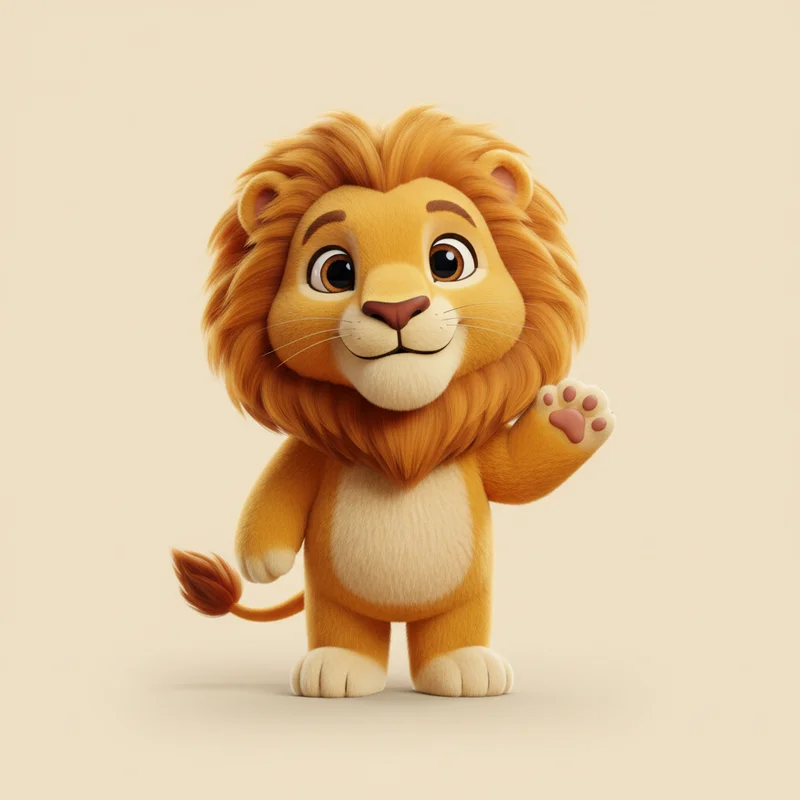
The lion occupies an unparalleled position in human cultural consciousness. Featured on the coats of arms of at least 30 nations, the lion symbolises courage, nobility, and sovereign authority across virtually every civilisation that encountered it. From the Sphinx of Giza to the British Royal Standard, from Aslan to Simba, lions permeate human mythology, heraldry, and popular entertainment. The International Institute of Symbolic Zoology calculated that lions appear in more national emblems than all other animals combined. MGM has built an entire corporate identity around a roaring lion. Richard the Lionheart did not call himself 'Richard the Hedgehog.' The lion represents humanity's projected ideals of strength and majesty, a four-legged embodiment of aspirational virtue.
Hedgehog
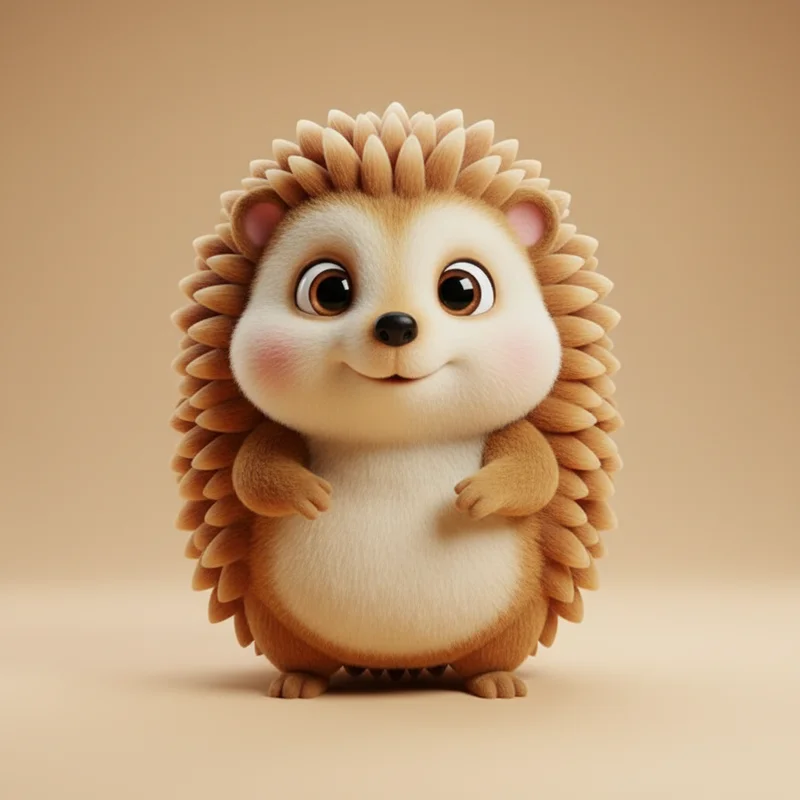
The hedgehog's cultural footprint, while more modest, demonstrates surprising depth and affection. Mrs Tiggy-Winkle established the hedgehog as a symbol of domestic industriousness in children's literature. Sonic the Hedgehog generated over $13 billion in franchise revenue, proving hedgehogs can achieve cultural saturation through sufficient velocity. The Oxford Centre for Animal Symbolism notes that hedgehogs consistently rank among the most beloved British animals, appearing on greeting cards, garden ornaments, and wildlife charity appeals with remarkable frequency. Unlike the lion's associations with power and conquest, the hedgehog represents cosiness, resilience, and the quiet heroism of the small. One cannot imagine a 'hedgehog economy,' yet hedgehog crossing signs dot British roadways with touching concern.