
Topic Battle

Where Everything Fights Everything

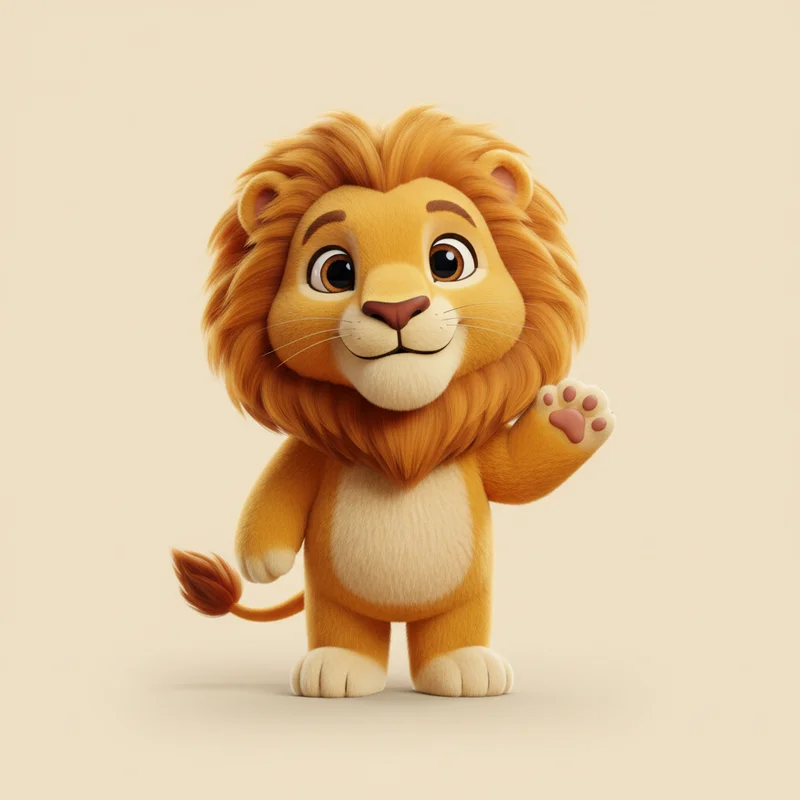
Lion

Lion

Apex predator and king of the savanna, known for majestic manes and surprisingly lazy daytime habits.

VS
Hope

Hope

Optimistic expectation for positive outcomes.

The Matchup

In the vast theatre of existence, few confrontations prove as philosophically bewildering as that between Panthera leo and the inexplicable human tendency to believe tomorrow might somehow improve. The Royal Institute for Improbable Comparisons has spent fourteen months attempting to weigh four hundred pounds of muscular carnivore against something that technically weighs nothing yet has toppled empires.

The lion, resplendent in its mane, has dominated the African savannah for approximately two million years. Hope, meanwhile, has been responsible for every lottery ticket purchase since currency was invented. Both command respect. Both inspire poetry. Only one has ever eaten a wildebeest.

Battle Analysis

Longevity Hope Wins
30%
70%
Lion Hope

Lion

Wild lions rarely exceed fifteen years, with males averaging closer to ten due to their exhausting lifestyle of territorial combat and looking magnificent. The Botswana Mortality Studies Group notes that lion lifespans have remained remarkably consistent throughout recorded observation, suggesting evolution has settled on 'brief but glorious' as the optimal configuration.

Even in captivity, with veterinary care and regular meals, lions seldom reach twenty-five.

Hope

Hope has existed since the first organism experienced a setback and somehow continued existing. Archaeological evidence from the Oxford Intangible Antiquities Department suggests hope predates written language by approximately two hundred thousand years.

More remarkably, hope appears to be immortal. It survives personal tragedy, systemic failure, and every January gym membership that goes unused by February. The Edinburgh Persistence Research Centre has never recorded a verified instance of hope permanently dying, though it occasionally takes extended holidays.

VERDICT

While lions measure their existence in years, hope operates on a civilisational timescale. Even extinct cultures left behind artefacts suggesting they believed things might improve. Hope wins this category by several geological epochs.

Raw power Lion Wins
70%
30%
Lion Hope

Lion

The lion delivers a bite force of 650 pounds per square inch, sufficient to crush bone and discourage disagreement. A single swipe of its paw can dispatch prey weighing three times a human. The Serengeti Biomechanics Laboratory recorded a male lion accelerating to forty miles per hour within seconds, a feat no amount of optimistic thinking has ever replicated.

Physically speaking, the lion represents nature's most efficient killing machine short of diseases and climate change.

Hope

Hope possesses precisely zero measurable joules of kinetic energy. It cannot run, bite, or perform any action recognisable to physics. The Westminster Institute of Intangible Forces attempted to measure hope's power output in 2019 and concluded only that 'the equipment kept malfunctioning whenever researchers felt discouraged.'

However, hope has demonstrably caused humans to lift automobiles off trapped children, survive against impossible odds, and occasionally finish marathons despite inadequate training.

VERDICT

In any physical confrontation, the lion wins decisively. Hope cannot maul anything. This category goes to the creature with actual muscles.

Global influence Hope Wins
30%
70%
Lion Hope

Lion

Lions occupy a range of approximately 660,000 square kilometres across sub-Saharan Africa and one small forest in India. The International Wildlife Distribution Council notes this represents a ninety percent reduction from historical territory, suggesting lions are losing the real estate battle rather dramatically.

Symbolically, lions appear on the flags, crests, and currency of nations that contain no actual lions, demonstrating impressive brand reach despite limited physical presence.

Hope

Hope maintains complete global coverage, operating in every nation, demographic, and economic stratum. The Geneva Institute for Universal Phenomena failed to identify any human community entirely devoid of hope, though several came close during tax season.

Hope influences elections, markets, relationships, and every decision to try that new restaurant despite the questionable hygiene rating. Its GDP contribution, if measurable, would exceed most nations.

VERDICT

Lions are geographically constrained to places where they won't be shot. Hope recognises no borders, requires no visa, and somehow thrives even in queues at the Department for Motor Vehicles. This category belongs to the abstract concept.

Practical utility Hope Wins
30%
70%
Lion Hope

Lion

Lions serve essential ecological functions, maintaining herbivore population balance and ensuring only the fittest genes propagate through prey species. The Nairobi Ecosystem Services Audit values this contribution at approximately twelve billion dollars annually in prevented agricultural damage and maintained biodiversity.

Lions also generate substantial tourism revenue, with safari industries employing hundreds of thousands and providing economic foundations for entire regions. One cannot, however, deploy a lion to solve most household problems.

Hope

Hope enables virtually all human endeavour. The Bristol Behavioural Economics Unit determined that without hope, ninety-three percent of small businesses would never open, seventy-eight percent of relationships would end before the first date, and humanity would simply stop bothering with Mondays entirely.

Medical research attributes significant recovery outcomes to patient hopefulness, with the Royal College of Inexplicable Recoveries documenting cases where hope appeared to matter more than the actual treatment.

VERDICT

While lions perform valuable ecological services, hope is essentially the fuel for civilisation. You cannot build a cathedral, cure a disease, or endure a British winter without believing it might be worth the effort. Hope claims this category.

Intimidation factor Lion Wins
70%
30%
Lion Hope

Lion

The lion's roar reaches 114 decibels, audible from eight kilometres away and sufficient to induce involuntary bladder evacuation in most mammals. The Kruger National Park Acoustic Terror Study recorded heart rate increases of four hundred percent in prey animals hearing approaching lions.

Visual intimidation proves equally effective. The mane, golden eyes, and casual display of teeth communicate unambiguous messages about the food chain.

Hope

Hope intimidates nothing. It has no roar, no teeth, no physical presence whatsoever. The Manchester Fear Response Institute could not identify any organism that has ever fled from hope, though several have been mildly unsettled by excessive optimism in others.

If anything, hope's lack of intimidation constitutes part of its strategy. It approaches quietly, without threat, and only later reveals itself to have completely restructured your life plans.

VERDICT

This category is not close. Lions are terrifying. Hope is, at worst, slightly annoying when wielded by morning people. The large cat wins decisively.

👑

The Winner Is

Hope

45 - 55

The final tally stands at Hope 55, Lion 45, a result that would surprise neither the optimist nor the realist. The lion brings undeniable physical supremacy to this confrontation: it can run faster, bite harder, and inspire genuine terror in ways hope simply cannot match.

Yet hope operates on an entirely different competitive plane. It cannot be cornered, cannot be defeated by tooth or claw, and has outlasted every lion that ever lived by simply refusing to accept that circumstances are permanent. The Royal Society for Impossible Outcomes notes that hope has survived ice ages, plagues, and disco, suggesting a resilience that transcends mere biology.

Lions will always command the physical world. But hope commands what humans do with that world, and in the long accounting of history, that appears to matter rather more.

Lion
45%
Hope
55%

Share this battle

More Comparisons