Topic Battle

Where Everything Fights Everything

Lion

Lion

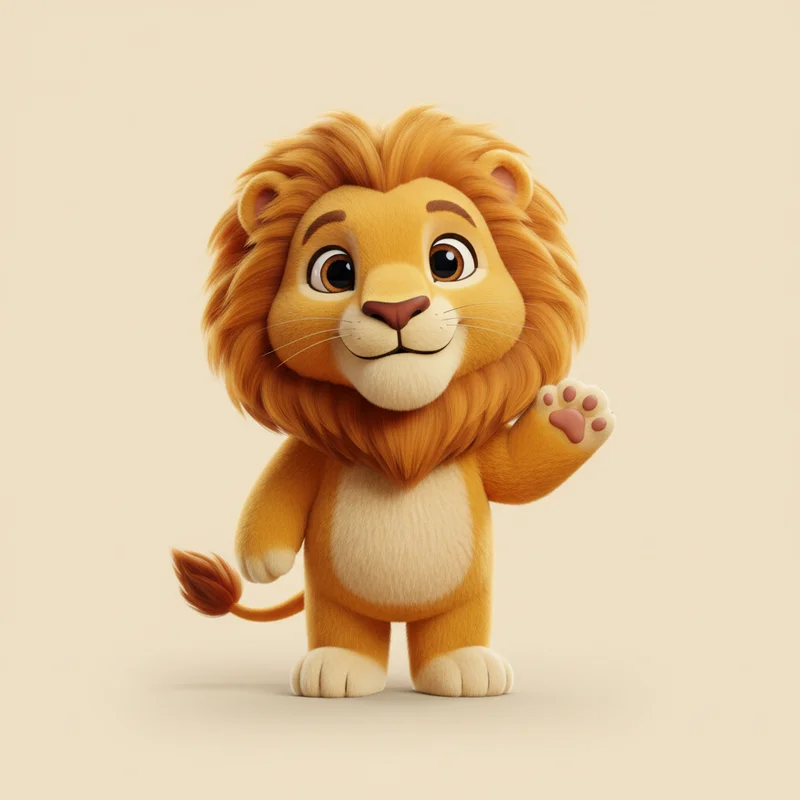
Apex predator and king of the savanna, known for majestic manes and surprisingly lazy daytime habits.

VS
Shark

Shark

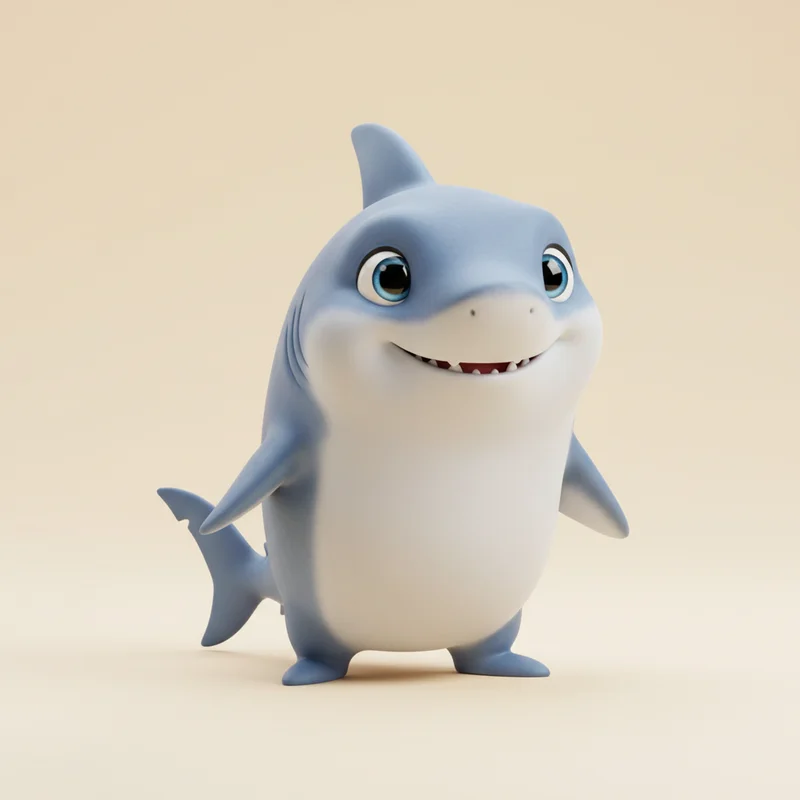
Apex ocean predator with 450 million years of evolutionary refinement and unfair movie villain reputation.

The Matchup

In the great theatre of apex predation, two performers have achieved such dominance within their respective kingdoms that comparison seems almost impertinent. The lion, terrestrial monarch of the African savannah, commands a realm of golden grasses and acacia shade. The shark, silent sovereign of the world's oceans, patrols a domain covering seventy percent of Earth's surface. That these creatures should never naturally encounter one another renders our comparison simultaneously absurd and illuminating, for it forces examination of what precisely constitutes superiority in the natural world.

Battle Analysis

Adaptability Shark Wins
30%
70%
Lion Shark

Lion

Lions demonstrate remarkable behavioural flexibility within their ecological constraints. They adjust hunting strategies based on prey availability, shift activity patterns to avoid human conflict, and modify social structures in response to population pressures. However, their physiological requirements remain inflexible: they require large territories, abundant prey, and savannah or semi-arid environments. The lion cannot colonise new ecosystems without these fundamental conditions, limiting adaptive potential.

Shark

Sharks occupy an extraordinary range of ecological niches. Species have adapted to freshwater rivers, Arctic waters, coral reefs, open ocean, and benthic environments. The bull shark can regulate its internal salinity to survive in both salt and fresh water. Sharks have developed bioluminescence, electroreception, and pressure-sensitive lateral lines. Their metabolic flexibility allows some species to enter torpor during food scarcity. This physiological plasticity has enabled survival across geological epochs.

VERDICT

From tropical lagoons to Arctic depths, sharks have colonised aquatic environments globally.
Media presence Lion Wins
70%
30%
Lion Shark

Lion

The lion has dominated cultural representation since the Paleolithic, appearing in cave paintings 32,000 years old. From the Sphinx of Giza to the MGM logo, from Aslan to Simba, lions pervade human storytelling. They feature on national flags, royal crests, and sporting emblems across every continent. Documentary coverage remains extensive, with the BBC alone producing hundreds of hours of lion-focused programming. The lion's charisma translates across cultural boundaries with remarkable consistency.

Shark

The 1975 release of *Jaws* transformed the shark from marine curiosity into cultural phenomenon. Shark Week, now approaching its fourth decade, commands viewership in the tens of millions annually. Yet shark media presence depends heavily on horror narratives. Documentaries increasingly attempt rehabilitation of the shark's image, but the dominant cultural framework remains fear-based. The shark lacks the lion's versatility - rarely appearing as protagonist, almost never as sympathetic figure.

VERDICT

Four thousand years of positive cultural representation outweighs fifty years of shark-based horror.
Symbolic value Lion Wins
70%
30%
Lion Shark

Lion

The lion embodies sovereignty itself. Royal houses from England to Ethiopia have adopted leonine imagery. The lion represents courage, nobility, and righteous power across Abrahamic religions, appearing in Biblical prophecy and Islamic tradition alike. In heraldry, the lion remains the most frequently depicted animal. The phrase 'lion-hearted' has entered languages worldwide as shorthand for bravery. No other terrestrial animal carries equivalent symbolic weight across such diverse cultural contexts.

Shark

The shark symbolises primal fear, cold efficiency, and the unknowable dangers lurking beneath calm surfaces. In corporate culture, 'shark' denotes ruthless competence - hence 'loan shark' and television programmes celebrating predatory business acumen. Indigenous Pacific cultures revered sharks as ancestral spirits and ocean guardians. Yet the shark's symbolic range remains narrower than the lion's, confined largely to threat, mystery, and ancient power rather than virtue, leadership, or spiritual aspiration.

VERDICT

The lion's symbolic vocabulary spans courage, royalty, and divine authority across global cultures.
Intimidation factor Shark Wins
30%
70%
Lion Shark

Lion

The male lion's mane creates a psychological impact that transcends practical function. Standing 1.2 metres at the shoulder and weighing up to 250 kilograms, the lion possesses an arsenal of intimidation: a roar audible from eight kilometres, retractable claws measuring ten centimetres, and canines designed to sever spinal cords. The lion's reputation as the 'King of Beasts' emerged from human observation of its territorial dominance and apparent fearlessness when confronting larger prey or rival predators.

Shark

The great white shark triggers a primal terror embedded in human neurology. Measuring up to six metres and weighing 2,000 kilograms, its approach offers no warning - no roar, no territorial display, merely the sudden appearance of 300 serrated teeth in rows that regenerate throughout its lifetime. The shark's dead-eyed stare, the result of a nictitating membrane, produces a sense of encountering something fundamentally alien. Humans swimming in murky water experience an ancient dread that rational thought cannot extinguish.

VERDICT

The shark triggers evolutionary terror responses that bypass conscious thought entirely.
Evolutionary success Shark Wins
30%
70%
Lion Shark

Lion

The lion, *Panthera leo*, represents approximately 3.5 million years of felid evolution, having diverged from the ancestral big cat lineage during the Pliocene epoch. Once ranging across Africa, Europe, and Asia, the species has contracted dramatically due to human expansion. Modern lions number fewer than 25,000 individuals in the wild, their genetic diversity concerning conservationists. Yet their survival strategy remains remarkably sophisticated: cooperative hunting, social structures unique among cats, and territorial dominance that has weathered ice ages and habitat transformation.

Shark

Sharks predate the dinosaurs by approximately 200 million years. The cartilaginous fish have survived five mass extinction events, including the Permian-Triassic catastrophe that eliminated 96 percent of marine species. Their fundamental body plan has required minimal modification across 450 million years of existence, suggesting an evolutionary optimisation so profound that significant improvement proved unnecessary. Over 500 species occupy every oceanic niche from tropical shallows to abyssal depths, demonstrating adaptive radiation that the lion cannot approach.

VERDICT

Surviving five mass extinctions across 450 million years represents evolutionary perfection beyond compare.
👑

The Winner Is

Shark

47 - 53

The verdict, delivered with appropriate scholarly reluctance, must favour the shark by a margin of 53 to 47 percent. This determination rests primarily upon temporal considerations - the shark's 450-million-year tenure represents a survival record the lion cannot approach. The shark's physiological adaptability, its colonisation of every oceanic environment, and its trigger of primal human terror secure its narrow victory. Yet the lion's cultural dominance, its symbolic sophistication, and its capacity to inspire human aspiration rather than mere fear ensure this remains a contested judgement.

Lion
47%
Shark
53%

Share this battle

More Comparisons