Topic Battle

Where Everything Fights Everything

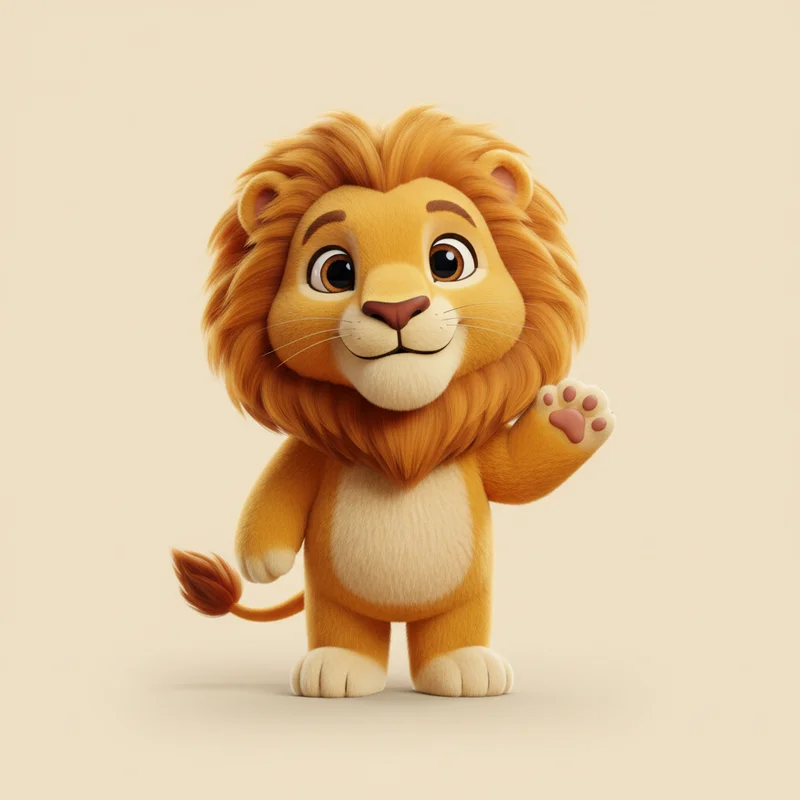
Lion

Lion

Apex predator and king of the savanna, known for majestic manes and surprisingly lazy daytime habits.

VS
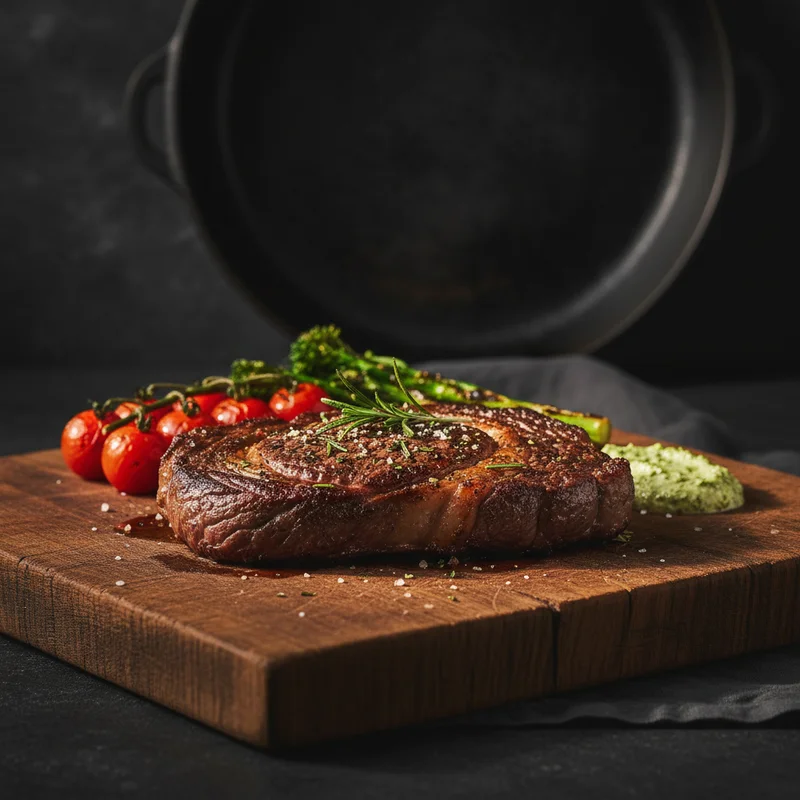
Steak

Steak

Grilled beef and subject of endless doneness debates.

Battle Analysis

Sensory experience lion Wins
70%
30%
Lion Steak

Lion

Encountering a lion engages every human sense with existential urgency. The visual majesty of golden fur against savannah grass, the deep rumble of a territorial roar, the distinctive musky scent that triggers ancestral panic - all combine into an experience the Institute for Primal Sensory Research describes as 'memorable in the way that near-death experiences tend to be.'

Safari tourists report that lion sightings create peak life moments, those crystalline memories that remain vivid decades later. The multisensory nature of the experience - fear, awe, relief, and the slight embarrassment of having screamed - creates neural pathways of unusual permanence.

Steak

The steak offers a sensory journey of equally intense but considerably less dangerous dimensions. The Maillard reaction - that blessed chemical transformation occurring between 140-165 degrees Celsius - produces over 1,000 distinct flavour compounds. The Lyon Institute of Gastronomic Neuroscience has documented that the smell of cooking steak activates pleasure centres with efficiency that borders on the unfair.

The tactile experience - knife sliding through perfectly rested meat, the yielding texture, the first bite releasing accumulated juices - has been refined over millennia of human culinary evolution. A great steak, properly prepared, delivers approximately twelve minutes of concentrated satisfaction, a duration that conveniently exceeds the average lion encounter by a comfortable margin.

VERDICT

Intensity of full-body existential experience surpasses even exceptional dining
Intimidation factor lion Wins
70%
30%
Lion Steak

Lion

The lion commands immediate respect through a combination of 600 pounds of raw muscle, retractable claws capable of disembowelling a zebra, and a roar that registers at 114 decibels - roughly equivalent to a rock concert or a toddler denied ice cream. The Serengeti Institute of Predatory Presence notes that a lion's mere appearance triggers an ancient fear response in 94% of mammals, including humans who logically understand there is glass between them and the zoo enclosure.

Furthermore, the lion's mane - that magnificent aureole of intimidation - serves no practical purpose beyond announcing to the world that this particular cat has achieved maximum dramatic effect. Studies suggest the mane alone accounts for 40% of the lion's psychological warfare capabilities.

Steak

The steak's intimidation strategy operates on an entirely different axis. Rather than inspiring fear, it inspires immediate capitulation to desire. A properly seared ribeye, according to the British Society for Maillard Reaction Psychology, triggers such powerful cravings that rational thought becomes temporarily impossible.

The sizzle factor - that auditory assault of fat meeting hot metal - has been weaponised by restaurants worldwide to separate diners from their fiscal responsibility. However, the steak's intimidation is ultimately passive. It cannot chase you. It simply waits, confident in its inevitability, like death or tax season.

VERDICT

Active intimidation through potential violence outranks passive intimidation through deliciousness
Philosophical weight lion Wins
70%
30%
Lion Steak

Lion

The lion forces contemplation of humanity's place in the natural order. Here is a creature that views us not as the dominant species but as moderately inconvenient obstacles or, in unfortunate circumstances, as food. The Vienna Circle for Existential Zoology suggests that lion encounters remind humans of a truth we spend considerable energy forgetting: we are made of meat.

The lion represents untamed nature, the world that exists entirely independent of human opinion. This philosophical weight has inspired centuries of literature, art, and the uncomfortable realisation that our dominion over nature is largely a gentleman's agreement that nature never signed.

Steak

The steak, conversely, represents humanity's triumph over nature - or perhaps our most elaborate form of denial. We have taken the wild animal, domesticated it, industrialised its reproduction, and transformed it into a commodity measured in ounces and doneness levels. The Berlin Institute for Agricultural Philosophy notes that every steak is a small monument to human determination to reshape the natural world according to our appetites.

Yet the steak also prompts uncomfortable questions about ethical consumption, environmental impact, and whether our dominion over other species is wisdom or hubris. A steak, properly contemplated, is never just dinner - it is a philosophical position statement.

VERDICT

Raw existential confrontation outweighs mediated philosophical discomfort
Survival adaptability steak Wins
30%
70%
Lion Steak

Lion

The lion has survived for approximately 1.8 million years, adapting to various African ecosystems through social hunting strategies, territorial dominance, and an admirable willingness to let the females do most of the actual work. The Nairobi Centre for Evolutionary Delegation notes that male lions sleep up to 20 hours daily, proving that survival and productivity share only a passing acquaintance.

However, lion populations have declined by 43% in the past two decades, suggesting that adaptation has limits when confronted with habitat loss, human encroachment, and the inconvenient reality that apex predators require substantial real estate.

Steak

The steak demonstrates a peculiar form of immortality through human codependency. As long as humans desire protein and possess the technology to transform cattle into dinner, the steak cannot truly die. The Edinburgh School of Culinary Persistence argues that steaks have achieved a form of biological outsourcing - they have convinced another species to ensure their perpetual recreation.

The steak has also shown remarkable adaptability in form, evolving from simple grilled cuts to sous vide preparations, air-dried aging processes, and whatever molecular gastronomy has decided to inflict upon it this week. This flexibility ensures continued relevance across changing culinary trends.

VERDICT

Guaranteed reproduction through human agriculture trumps endangered status
Global cultural significance steak Wins
30%
70%
Lion Steak

Lion

The lion has embedded itself into human consciousness with remarkable tenacity. It appears on the flags of seven nations, guards the entrance to libraries, banks, and Trafalgar Square, and serves as the mascot for everything from football clubs to breakfast cereals. The Royal Heraldic Institute estimates that lions appear in over 15,000 coats of arms worldwide, despite the species never having set paw in most of the countries that venerate it.

From Aslan to Mufasa, the lion has dominated fictional narratives as the default symbol of nobility, courage, and excellent voice acting. No other predator has achieved such comprehensive brand penetration across human civilisation.

Steak

The steak, while lacking in flag appearances, has achieved something arguably more profound: universal dinner table dominance. The Oxford Institute of Culinary Anthropology documents steak's presence in virtually every carnivorous culture, from the Argentine asado to the Japanese teppanyaki to the British tendency to apologise to their food before consuming it.

The steak has become synonymous with celebration, success, and the masculine performance of prosperity. A promotion earns a steak dinner. A first date at a steakhouse signals serious intentions. The global steak industry generates approximately 200 billion dollars annually, suggesting that while lions may guard our institutions, steak governs our reward centres.

VERDICT

Economic and culinary ubiquity edges out symbolic presence
👑

The Winner Is

Lion

58 - 42

After exhaustive analysis, the lion emerges victorious with a score of 58 to 42, though this victory comes with significant caveats that would make any serious academic uncomfortable.

The lion's triumph rests primarily on its capacity for direct, unmediated experience - intimidation through presence rather than anticipation, sensory engagement through survival instinct rather than pleasure, and philosophical weight through existential confrontation rather than ethical abstraction. The lion does not ask to be considered; it demands acknowledgment through the simple fact of existing as something that could, theoretically, end you.

The steak, however, demonstrates remarkable strength in practical domains. Its cultural significance, while less dramatic, is more pervasive. Its survival strategy, while dependent on human complicity, is arguably more effective. The steak has achieved something the lion never could: it has made itself indispensable to human happiness.

The Cambridge Centre for Predator-Prey Irony Studies concludes that this comparison ultimately illuminates the strange relationship between potential and realisation. The lion is potential energy - magnificent, dangerous, and largely theoretical to most humans. The steak is kinetic energy - transformed, consumed, and intimately familiar to anyone who has celebrated anything, ever.

Perhaps the most profound insight is this: the lion wins because it remains beyond human control, while the steak's accessibility is precisely what limits its philosophical ceiling. We venerate what we cannot possess, and we consume what we can. The lion's victory is the victory of the unattainable over the quotidian, the wild over the domesticated, the roar over the sizzle.

Lion
58%
Steak
42%

Share this battle

More Comparisons