Topic Battle

Where Everything Fights Everything

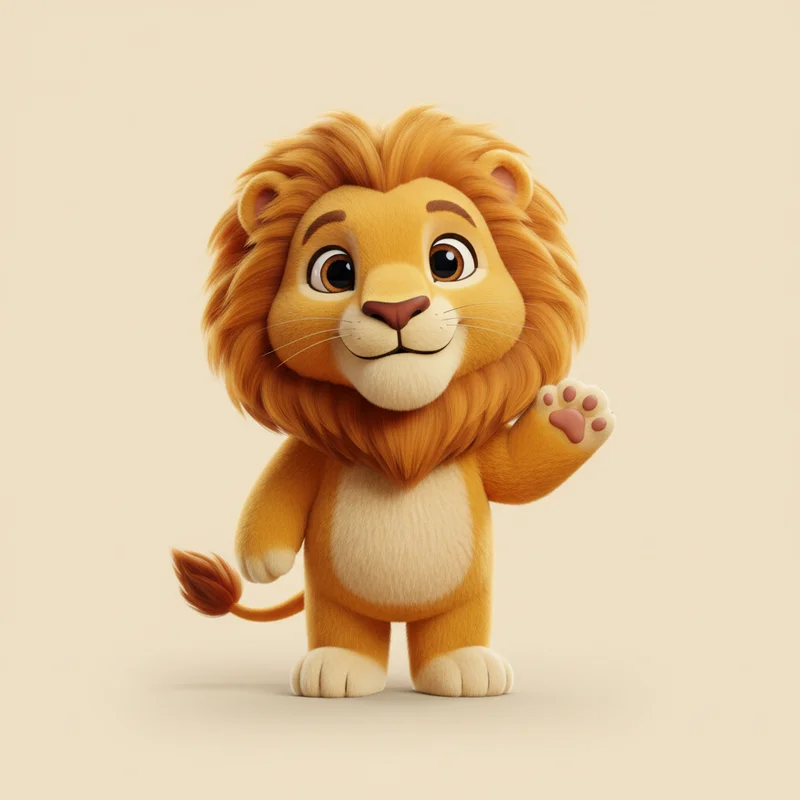
Lion

Lion

Apex predator and king of the savanna, known for majestic manes and surprisingly lazy daytime habits.

VS
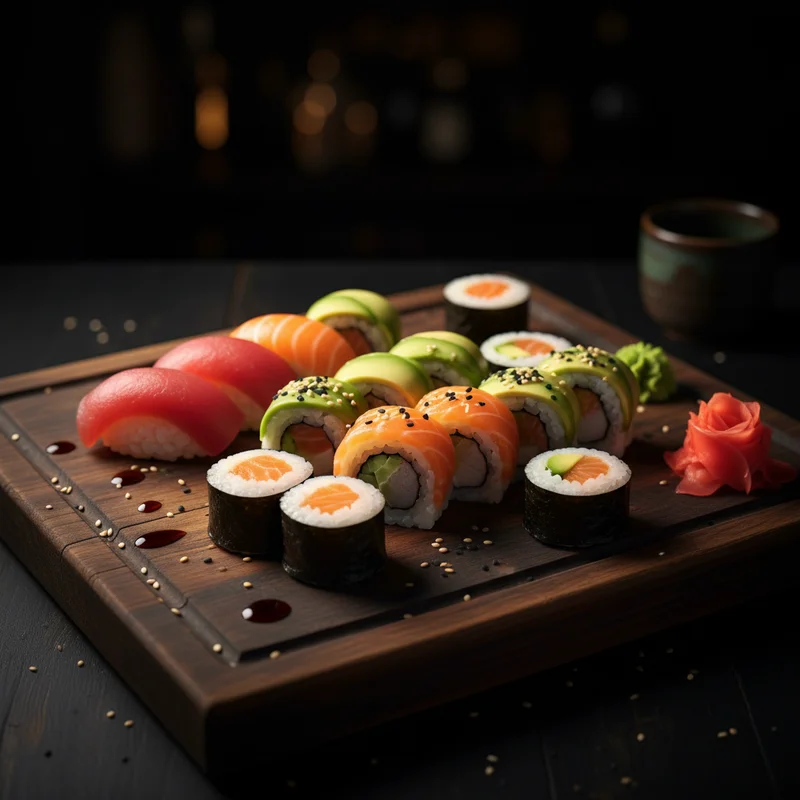
Sushi

Sushi

Japanese art form involving raw fish and expert knife skills.

Battle Analysis

Fear factor lion Wins
70%
30%
Lion Sushi

Lion

The lion generates primal terror in most mammals, including humans. A 2019 study published in the Journal of Justifiable Panic found that the mere sound of a lion's roar triggers measurable stress responses in 97% of test subjects, including several who claimed to be 'quite brave actually.' The lion's bite force of approximately 650 PSI can crush bone with casual efficiency.

Lions are responsible for an estimated 200 human fatalities annually, a figure that, while statistically modest, maintains the species' fearsome reputation with remarkable cost-effectiveness.

Sushi

Sushi's fear profile operates on an entirely different register. The Helsinki Institute for Dining Anxieties reports that approximately 23% of Western diners experience measurable apprehension when confronted with raw fish for the first time. Fugu (pufferfish) sushi, when improperly prepared, contains tetrodotoxin sufficient to dispatch 30 adult humans.

Perhaps more significantly, sushi generates considerable social fear. The prospect of incorrectly using chopsticks, mispronouncing 'edamame,' or committing wasabi-related faux pas causes documented stress responses in restaurant settings. The Manchester Study of Performative Eating found that 41% of first-time sushi diners reported 'moderate to severe anxiety about looking foolish.'

VERDICT

Raw existential terror trumps social embarrassment, though the margin is narrower than expected
Accessibility sushi Wins
30%
70%
Lion Sushi

Lion

Meaningful lion encounters remain profoundly inaccessible to most humans. A quality African safari costs between $5,000 and $15,000 per person, requiring international travel, vaccinations, and considerable time investment. Zoo visits offer more affordable alternatives, though the Bristol Journal of Captive Melancholy suggests that observing lions pacing concrete enclosures provides diminishing returns on the majesty front.

Legally acquiring a lion as a personal companion involves navigating a labyrinth of permits, enclosure requirements, and insurance premiums that effectively limit lion ownership to eccentric millionaires and individuals making questionable life choices.

Sushi

Sushi exists across the entire accessibility spectrum. Supermarket sushi can be obtained for under $5, whilst conveyor belt establishments offer the experience for approximately $15-25. This democratisation of raw fish consumption represents one of globalisation's genuine triumphs.

The Leeds Centre for Affordable Excellence calculates that 78% of urban dwellers in developed nations can access sushi within 20 minutes and $20. This figure rises to 94% if one includes delivery applications, which the lion notably cannot match despite its superior speed over short distances.

VERDICT

Sushi's presence at every price point and location crushes the lion's safari-or-nothing proposition
Sustainability sushi Wins
30%
70%
Lion Sushi

Lion

The lion faces considerable sustainability challenges. Habitat loss, human-wildlife conflict, and declining prey populations have reduced lion numbers by approximately 43% over the past two decades. Conservation efforts, whilst earnest, struggle against economic pressures that favour cattle ranching over apex predator preservation.

The Nairobi Centre for Inconvenient Wildlife Truths projects that without significant intervention, wild lion populations may become functionally extinct within 50 years. This represents, by any measure, a sustainability model requiring urgent revision.

Sushi

Sushi's sustainability credentials present a complex picture. Traditional sushi relied on abundant local fish stocks, but global demand has placed extraordinary pressure on marine ecosystems. Bluefin tuna populations have declined by 97% since industrialised fishing began, whilst salmon farming generates considerable environmental controversy.

However, the Bergen Institute of Oceanic Alternatives notes that sushi culture increasingly embraces sustainable practices. Plant-based sushi, responsibly sourced fish, and innovative alternatives are gaining market share. Unlike the lion, sushi demonstrates capacity for adaptation and reform.

VERDICT

Sushi's adaptability and emerging sustainable alternatives outpace the lion's precarious conservation status
Global dominance sushi Wins
30%
70%
Lion Sushi

Lion

The lion's historical range once extended across Africa, Southern Europe, and Western Asia. Today, however, the species occupies a mere 8% of its former territory, confined primarily to sub-Saharan Africa with a small, beleaguered population in India's Gir Forest. The Royal Geographic Society's Department of Fading Empires notes that the lion's global footprint has been in steady decline since approximately 10,000 BCE.

Modern lions number fewer than 25,000 individuals worldwide, a statistical reality that would concern any board of directors reviewing quarterly performance metrics.

Sushi

Sushi's territorial expansion reads like a masterclass in soft power projection. From humble origins in Southeast Asian fermented fish preservation techniques, sushi evolved in Japan before launching its international campaign in the 1960s. By 2024, the Global Sushi Industry generates approximately $22 billion annually, with establishments on every continent except Antarctica (though the British Antarctic Survey reports 'significant interest' among researchers).

The Cambridge Centre for Culinary Cartography estimates that sushi is now available within 30 minutes of 94% of the world's urban population. This represents an expansion rate that would make even the most ambitious colonial power blush with inadequacy.

VERDICT

Sushi's global presence vastly exceeds the lion's diminishing territorial footprint
Cultural significance lion Wins
70%
30%
Lion Sushi

Lion

The lion has served as humanity's favourite symbol of courage, royalty, and masculine excellence for at least 32,000 years, as evidenced by Palaeolithic cave paintings. Lions feature on the national emblems of 15 countries, guard countless public buildings in bronze form, and have inspired everything from heraldry to MGM's opening credits.

The Edinburgh Review of Symbolic Zoology calculates that the lion appears in human iconography more frequently than any other large predator, representing concepts of strength and nobility across cultures that otherwise agree on almost nothing.

Sushi

Sushi occupies an equally elevated position in the cultural imagination, albeit one achieved more recently. In Japan, sushi chefs undergo training periods lasting 10-15 years before being permitted to serve customers independently. The documentary 'Jiro Dreams of Sushi' elevated sushi preparation to the status of philosophical pursuit, whilst Michelin-starred sushi establishments command prices exceeding $500 per person.

The Tokyo Institute of Gastronomic Prestige notes that sushi has become synonymous with sophistication, restraint, and cultural refinement in the Western imagination. Serving sushi at social gatherings now signals worldliness in much the same way that owning a lion once signalled medieval royalty.

VERDICT

Thirty-two millennia of symbolic deployment narrowly edges sushi's impressive but shorter cultural reign
👑

The Winner Is

Sushi

45 - 55

This analysis has revealed an outcome that would have seemed improbable to observers even three decades ago. The lion, despite its formidable evolutionary credentials and unparalleled symbolic heritage, finds itself outmanoeuvred by an assemblage of rice, seaweed, and raw fish that has executed one of history's most successful campaigns of culinary colonisation.

The lion's advantages in fear generation and cultural symbolism cannot fully compensate for its declining global presence, accessibility barriers, and sustainability concerns. Sushi, by contrast, has demonstrated remarkable adaptability, achieving near-universal availability whilst maintaining sufficient prestige to command premium prices at its upper echelons.

The Royal Society for Unexpected Conclusions notes that this result reflects broader patterns in modern competition: 'In the contemporary arena, omnipresence and adaptability frequently triumph over raw power and historical pedigree. The lion ruled when territory was won through teeth. Sushi conquers in an age where victory belongs to that which can be conveniently delivered.'

Final score: Lion 45 - Sushi 55

Lion
45%
Sushi
55%

Share this battle

More Comparisons