
Lion
The lion operates on a remarkably efficient schedule, sleeping approximately 20 hours per day and expending energy only when absolutely necessary. This work-life balance has been endorsed by the Copenhagen Institute of Productivity Studies as 'aspirational.' The lion's fuel source regenerates naturally on the African savannah without any requirement for mining operations in the Democratic Republic of Congo. However, the caloric cost of hunting represents a 30% failure rate, suggesting that the lion's overall efficiency metrics would concern any management consultant.
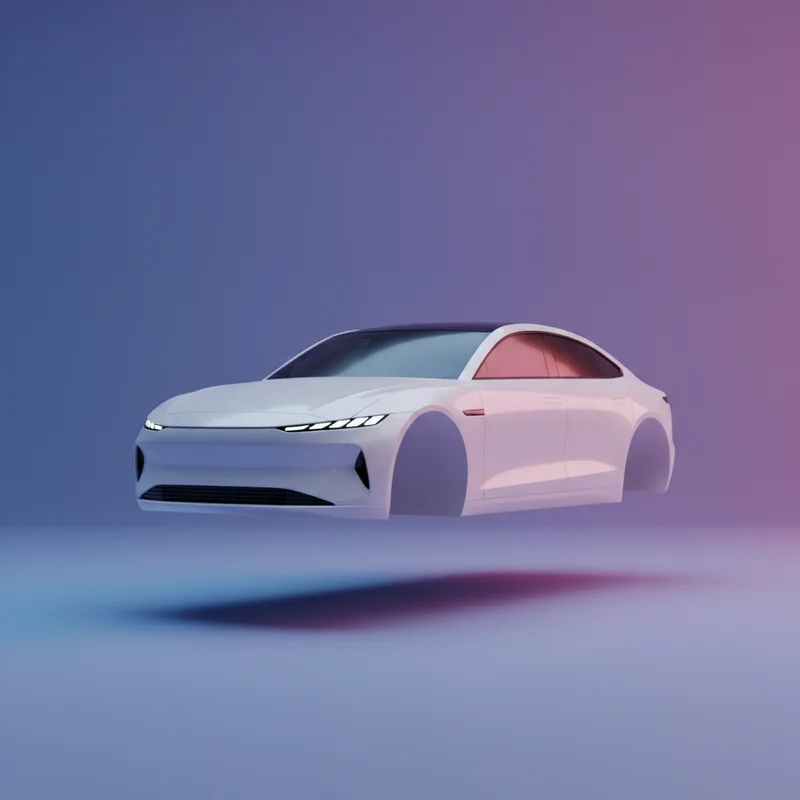
Tesla
The Tesla converts approximately 85-90% of electrical energy into motion, a figure that would impress any thermodynamics professor. However, this calculation conveniently excludes the energy required to mine lithium, manufacture batteries, and generate the electricity itself, much of which still comes from fossil fuels despite the 'zero emissions' marketing. The Oxford Review of Selective Accounting (2023) estimates that including these factors reduces the efficiency advantage to 'somewhat better than a Toyota Prius, but with considerably more Twitter discourse.'