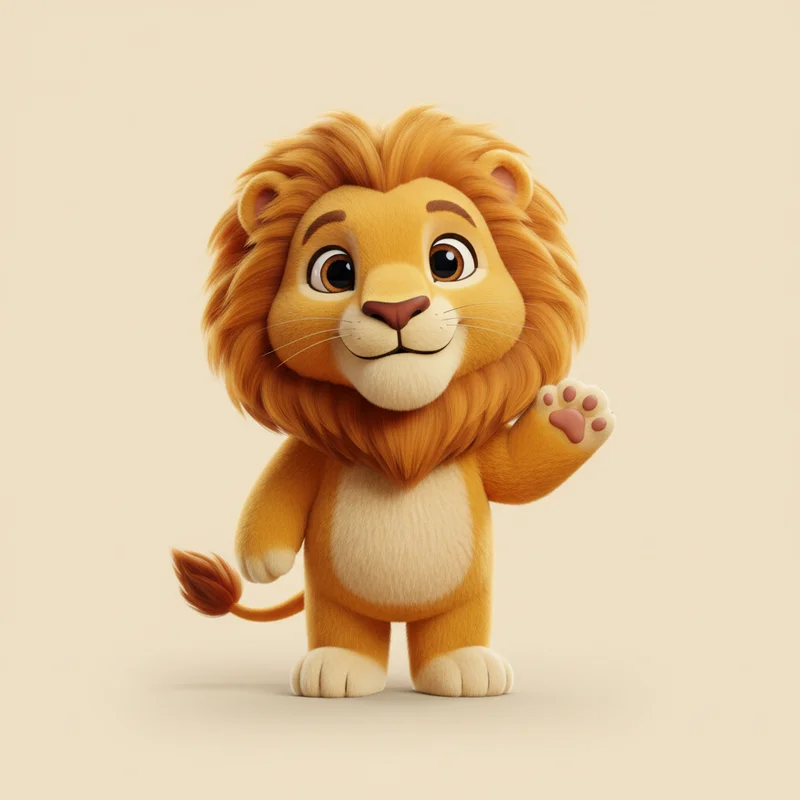

Lion
The lion's intimidation capabilities have been refined through millennia of evolutionary pressure. A male lion's roar can reach 114 decibels and travel up to 8 kilometres across open savannah, a distance that, according to the Serengeti Acoustic Research Station, gives potential prey approximately 4.7 minutes to contemplate their mortality before visual confirmation of doom. The mane alone, which can weigh up to 250 grams, serves as a visual amplification system that increases perceived head size by 40%, a marketing technique that predates human advertising by several million years.
Field observations from the Maasai Mara indicate that the mere presence of a lion causes a measurable cortisol spike in animals within a 500-metre radius, including vehicles containing tourists who presumably know they are inside metal boxes.
Virtual Reality
Virtual reality's approach to intimidation relies on what the Institute of Synthetic Emotions terms 'consequence-free terror.' Modern VR horror experiences can elevate heart rates to 150 beats per minute whilst the user remains in the objective safety of their living room, typically surrounded by crisp packets and charging cables. The technology exploits the brain's inability to distinguish between simulated and actual threats, a design flaw in human cognition that VR developers have weaponised with considerable enthusiasm.
However, a 2024 study by the Stockholm Reality Perception Laboratory found that VR intimidation suffers from what researchers term 'headset removal syndrome,' wherein users can eliminate 100% of perceived threat by simply lifting a piece of plastic from their face. Lions offer no comparable escape mechanism.