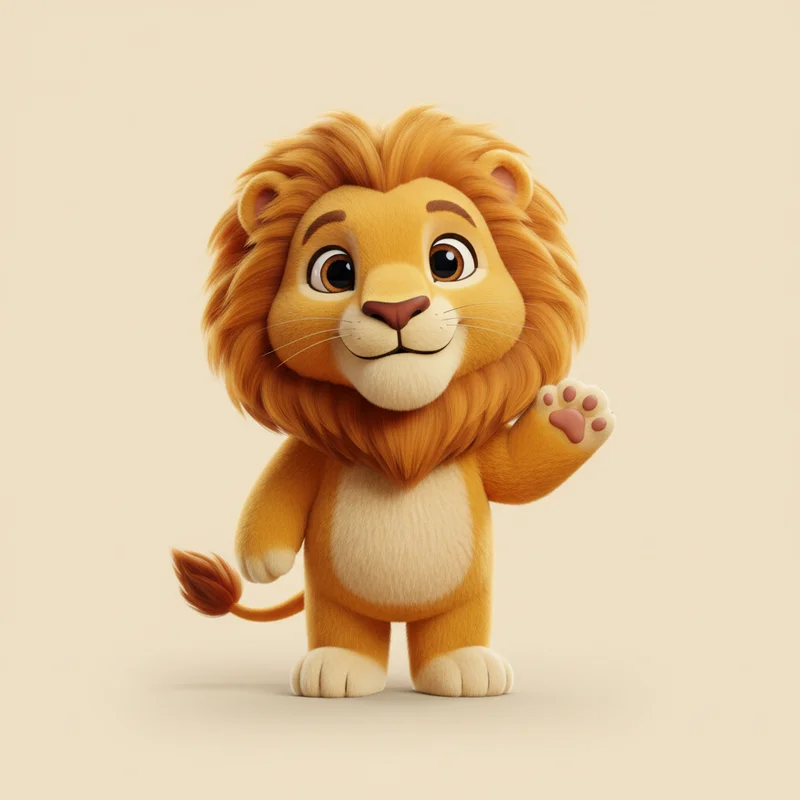
Lion
The male lion presents what zoologists at the Serengeti Research Consortium describe as 'nature's most successful argument for intimidation over substance.' Weighing up to 250 kilograms and measuring nearly three metres in length, the lion possesses a bite force of approximately 650 PSI and retractable claws capable of disembowelling prey with surgical imprecision. The iconic mane, whilst aesthetically commanding, serves primarily as a heat-trapping liability that renders male lions approximately 40% less effective hunters than their female counterparts. Nevertheless, a single lion strike can generate forces exceeding 900 pounds, making disagreement with one a statistically inadvisable life choice.
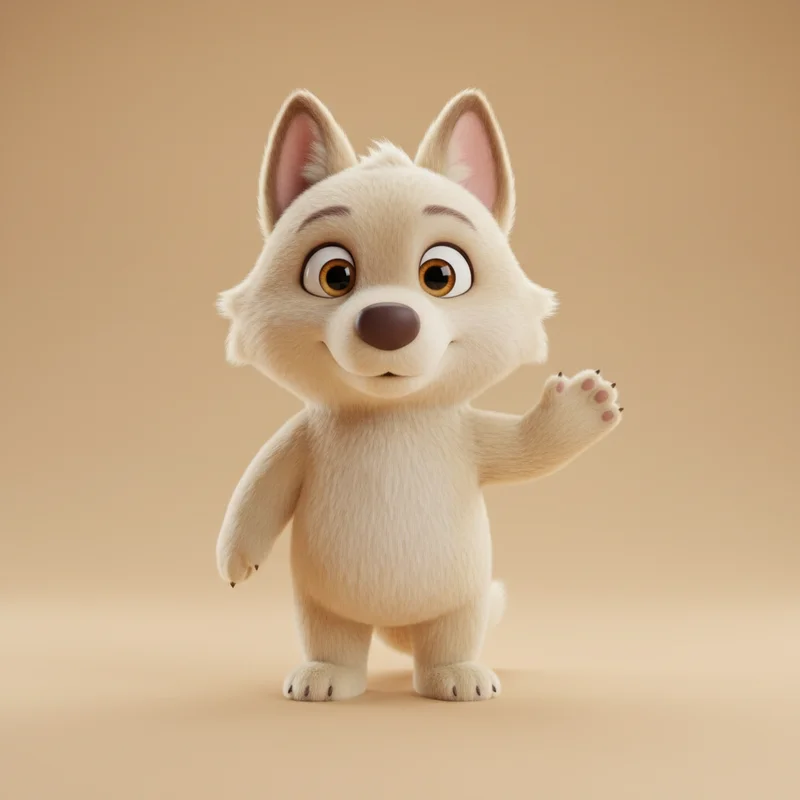
Wolf
The grey wolf, by contrast, has invested its evolutionary capital in what the Nordic Institute of Pack Dynamics calls 'the long game of attrition.' At a comparatively modest 45-80 kilograms, the wolf appears outmatched until one considers its extraordinary stamina. Wolves can maintain pursuit speeds of 40 kilometres per hour for distances exceeding 20 kilometres, a feat that would leave most lions requiring oxygen therapy. Their bite force of 400 PSI, whilst less impressive in isolation, is deployed with a persistence that the Journal of Relentless Predation has described as 'nature's finest example of patience as a hunting strategy.'