Where Everything Fights Everything

Lion vs Yoga

😜 Just for fun — a tongue-in-cheek, gloriously unscientific showdown.

Lion

Lion

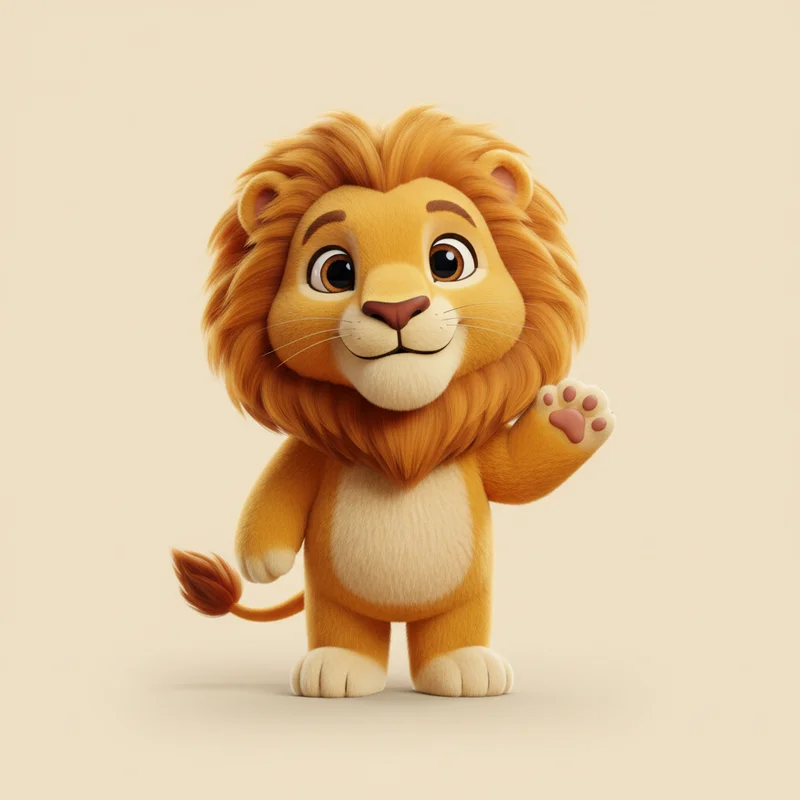
Apex predator and king of the savanna, known for majestic manes and surprisingly lazy daytime habits.

VS
Yoga

Yoga

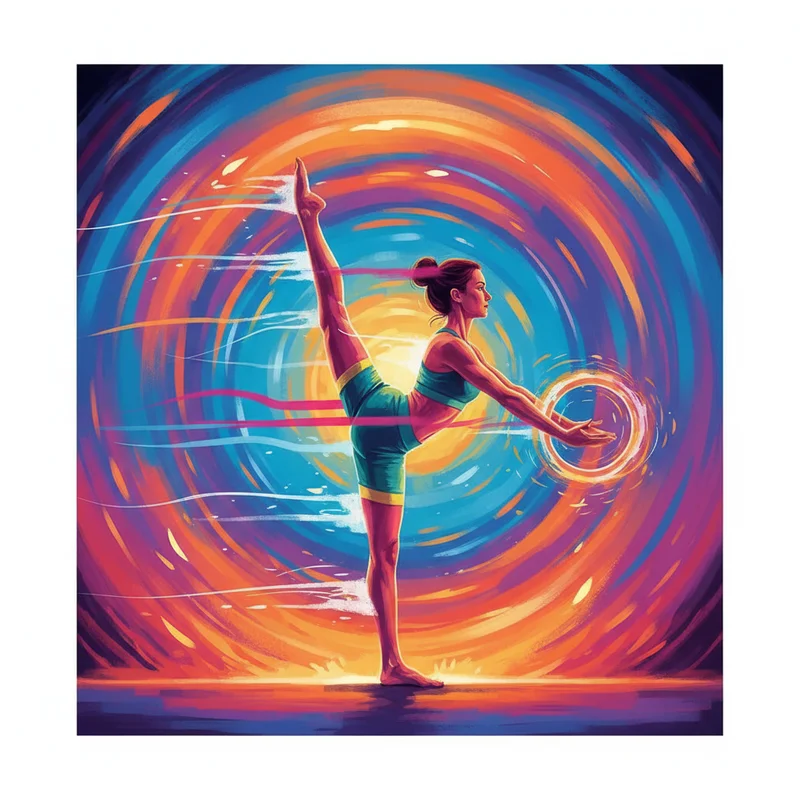
Ancient practice of poses and breathing.

The Matchup

In the eternal pursuit of physical mastery, two remarkably different philosophies have emerged. One involves a 190-kilogram apex predator capable of bringing down a buffalo before breakfast. The other involves holding uncomfortable positions on a mat whilst pretending to enjoy it. Both, curiously, promise transformation.

The Panthera leo has spent four million years perfecting the art of explosive power, whilst yoga practitioners have dedicated five thousand years to the art of not exploding. Today, we examine which methodology delivers superior results across measurable criteria, setting aside the rather obvious fact that one could eat the other.

Battle Analysis

Flexibility Yoga Wins · 65%
35%
65%
Lion Yoga

Lion

The lion demonstrates remarkable spinal flexibility, capable of twisting mid-air during hunting manoeuvres and contorting through dense vegetation in pursuit of prey. A lion's spine contains more vertebrae than a human's, enabling rotational movements that would hospitalise most yoga instructors.

Furthermore, the lion's shoulder blades are attached only by muscle, permitting an extraordinary range of motion during the 22-hour daily rest period they inexplicably require.

Yoga

Yoga has produced documented cases of practitioners achieving positions that defy anatomical common sense. The practice systematically increases flexibility through sustained stretching, with advanced practitioners capable of folding themselves into shapes that concern medical professionals.

The ancient Ashtanga tradition alone contains 72 foundational poses, each designed to access flexibility reserves that evolution apparently forgot to mention existed.

VERDICT

Whilst the lion possesses impressive natural flexibility, yoga's systematic approach to joint mobility produces measurably superior results in human practitioners. The lion was born flexible; yoga teaches flexibility to those who weren't. This pedagogical advantage proves decisive.

Accessibility Yoga Wins · 80%
20%
80%
Lion Yoga

Lion

Acquiring a lion requires specialist licensing, purpose-built enclosures costing upwards of $50,000, daily meat expenditure exceeding $30, and the constant awareness that your household pet could remove your arm. Legal restrictions in most jurisdictions render lion ownership effectively impossible for ordinary citizens.

Even encountering a lion in the wild demands international travel to increasingly limited habitats, expensive safari packages, and the acceptance of meaningful personal risk.

Yoga

Yoga requires, at minimum, a floor. Free instructional content exists in quantities that would take several human lifetimes to exhaust. Entry-level participation demands no equipment, no travel, no licensing, and poses no risk of being consumed by one's activity.

Studios proliferate in every urban centre, whilst home practice requires only sufficient space to extend one's arms—a remarkably low barrier to entry.

VERDICT

The mathematics here prove insurmountable. 300 million people practice yoga; approximately zero people have a lion. Accessibility belongs entirely to the activity that doesn't require a wildlife permit and reinforced fencing.

Longevity benefits Yoga Wins · 72%
28%
72%
Lion Yoga

Lion

Wild lions survive an average of 10 to 14 years, their lifespan truncated by territorial disputes, hunting injuries, and the inevitable decline in physical prowess that accompanies age. The lion's lifestyle, whilst impressive, appears to be what medical professionals term 'unsustainable.'

Captive lions may reach 20 years, suggesting that the lion's natural habits actively reduce its lifespan rather than extending it.

Yoga

Peer-reviewed research indicates regular yoga practice reduces cardiovascular disease risk by 35%, lowers blood pressure, and decreases inflammatory markers associated with ageing. Practitioners report improved sleep quality, reduced chronic pain, and enhanced cognitive function into advanced age.

One Journal of Alternative Medicine study found yoga practitioners exhibited biological markers seven years younger than their chronological age, though the study did not control for smugness.

VERDICT

The lion's approach to life—brief, violent, magnificent—does not optimise for duration. Yoga's evidence-based health benefits deliver measurable longevity advantages, making this category decisively one-sided despite the lion's genetic majesty.

Intimidation factor Lion Wins · 65%
65%
35%
Lion Yoga

Lion

The lion's roar reaches 114 decibels and carries across eight kilometres of open savannah, a biological broadcast system designed explicitly to terrify everything within earshot. The mane alone—a visual threat display unique among felines—communicates genetic fitness and fighting capability to rivals and prey alike.

Studies confirm that prey animals exhibit elevated cortisol levels for hours after hearing a lion's vocalisation, suggesting the intimidation persists long after the sound fades.

Yoga

Yoga's intimidation operates through social mechanisms rather than acoustic ones. The practiced yogi exudes an unsettling calm that makes stressed colleagues feel judged. The casual mention of a 5 AM practice creates immediate feelings of inadequacy in listeners.

Advanced practitioners develop the ability to sit in silence whilst others fidget, a form of psychological dominance that boardrooms have come to fear.

VERDICT

Despite yoga's capacity for passive-aggressive serenity, it cannot compete with an animal whose very existence causes other species to evolve faster. The lion wins decisively, though yoga earns points for making people feel bad about their morning routine.

Global cultural impact Lion Wins · 63%
63%
37%
Lion Yoga

Lion

The lion appears on the national emblems of 15 countries, guards the entrance to institutions worldwide, and has symbolised royalty, courage, and divine authority across virtually every human civilisation. From the Sphinx to the British coat of arms, no animal commands comparable cultural reverence.

The phrase 'lion's share' alone demonstrates linguistic penetration that marketing departments spend billions attempting to replicate.

Yoga

Yoga generates approximately $80 billion annually in the global wellness industry, with 300 million practitioners across every inhabited continent. The practice has spawned countless derivative forms: hot yoga, goat yoga, aerial yoga, and corporate wellness programmes that HR departments inexplicably believe employees enjoy.

UNESCO recognised yoga as Intangible Cultural Heritage in 2016, an honour the lion has not received, possibly due to lacking the necessary paperwork.

VERDICT

Yoga's commercial success is formidable, but the lion's five thousand years of symbolic dominance across every major civilisation cannot be purchased. The lion represents power itself; yoga represents wanting to be more flexible. Cultural weight favours the predator.

👑

The Winner Is

Yoga

Takes 3 of 5 rounds

In this confrontation between evolutionary perfection and human self-improvement, Yoga emerges the winner by three rounds to two. The ancient practice's systematic advantages in flexibility, longevity, and sheer accessibility prove decisive over the lion's fearsome intimidation and towering cultural symbolism.

The lion claimed the intimidation and global cultural impact rounds with genuine authority—no wellness programme has ever made eight kilometres of savannah go silent with a single roar, nor graced fifteen national emblems. Yet yoga answered with rounds that could not be contested: a flexibility pedagogy that outlasts raw feline anatomy, health benefits that add measurable years to human lives, and an accessibility so democratic it requires nothing more than a floor. When the dust settles, Yoga wins the rounds that compound over time, and compound interest, as any accountant will confirm, beats a mane.

Share this battle

More Comparisons