Topic Battle

Where Everything Fights Everything

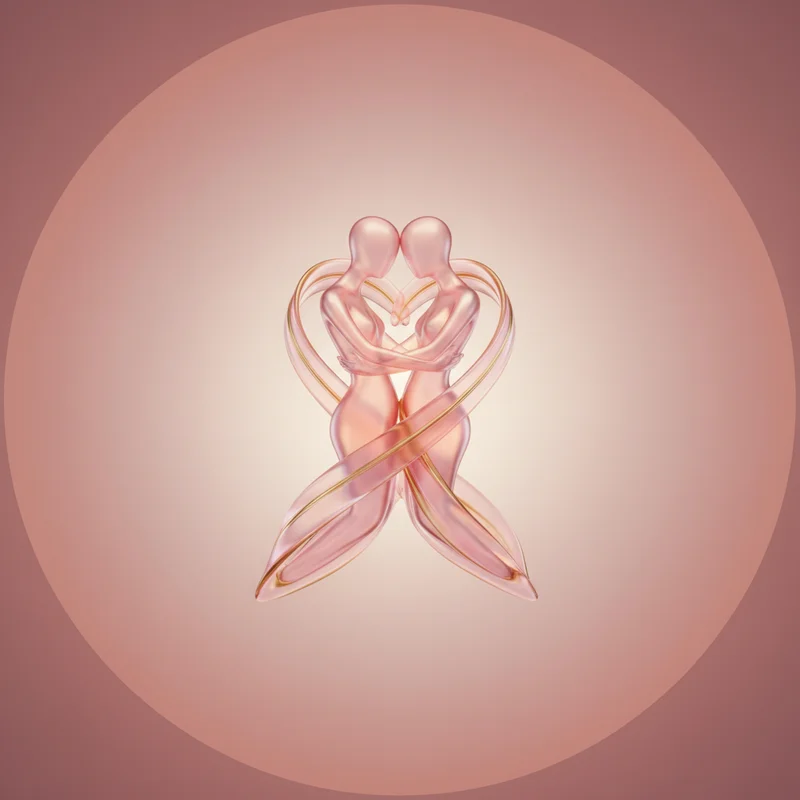
Love

Love

Universal emotion driving art, war, and terrible decisions.

VS
Mars

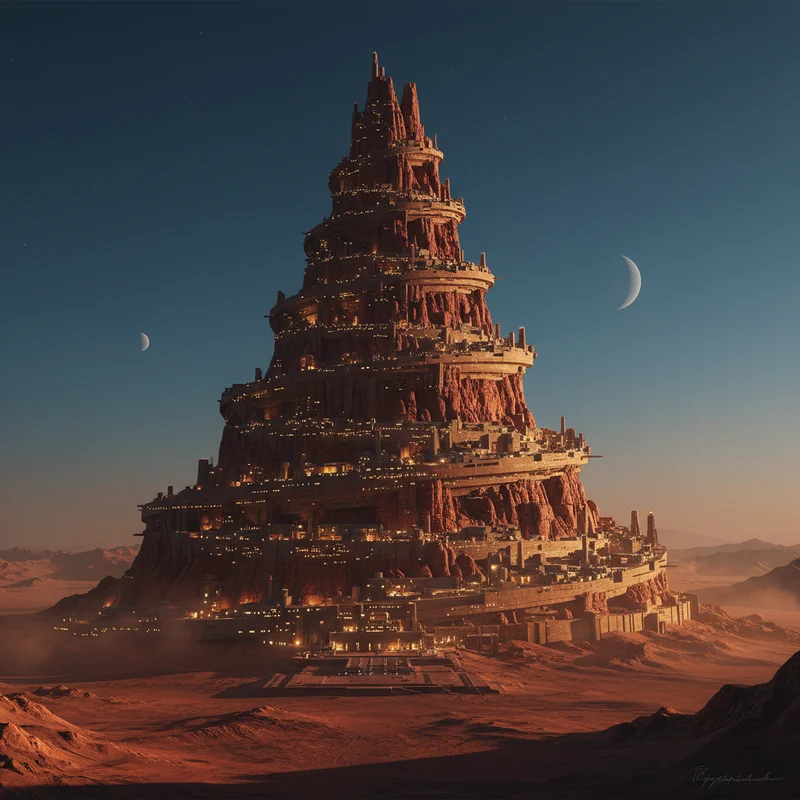
Mars

Red planet and humanity's next frontier.

Battle Analysis

Longevity Mars Wins
30%
70%
Love Mars

Love

The permanence of love has been hotly debated since the first human noticed their partner's irritating habits around month seven of cohabitation. Scientific studies suggest the initial neurochemical rush of romantic love typically persists for 18 to 36 months, after which it either transforms into the gentler companion of long-term attachment or evaporates entirely, leaving only shared furniture and awkward custody arrangements. Historical evidence presents mixed results: some loves endure decades; others barely survive a bank holiday weekend in Blackpool.

Mars

Mars has demonstrated exceptional longevity, having existed for approximately 4.6 billion years with no signs of going anywhere soon. The planet's commitment to remaining in its orbital position has been unwavering, unlike certain romantic partners one could mention. Mars will continue to circle the Sun for billions of years hence, long after every love story currently unfolding on Earth has concluded. In terms of sheer staying power, few phenomena in the observable universe can match a planet's dedication to simply existing.

VERDICT

Four and a half billion years of existence rather outweighs even the most enduring human romance.
Accessibility Love Wins
70%
30%
Love Mars

Love

Love demonstrates remarkable accessibility, available to virtually every human being regardless of socioeconomic status, educational background, or geographic location. The barriers to entry are astonishingly low: one need merely possess a functioning limbic system and encounter another being capable of triggering its activation. Indeed, love has been documented in every known human culture, from the frozen tundras of Siberia to the crowded streets of Tokyo. The emotion arrives uninvited, requires no planning permission, and costs precisely nothing to experience initially, though the subsequent expenses can prove considerable.

Mars

Mars presents rather more significant accessibility challenges. Currently, the planet remains entirely inaccessible to all 8 billion humans, with the nearest approach still requiring a journey of approximately seven months in a cramped spacecraft. The cost of visiting Mars, should one wish to do so, hovers somewhere in the region of several billion pounds, placing it slightly beyond the reach of the average household budget. Even viewing Mars with the naked eye requires clear skies and favourable orbital positioning, conditions that Britain experiences roughly four times per century.

VERDICT

Love requires no rocket, no billionaire patron, and no seven-month journey through the vacuum of space.
Cultural impact Love Wins
70%
30%
Love Mars

Love

The cultural footprint of love defies comprehensive measurement. It has generated approximately 847 million songs, most featuring the word 'heart' in the chorus. It has inspired every romantic comedy ever produced, every Shakespeare play worth watching, and roughly 60% of all literature throughout human history. The greeting card industry owes its entire existence to love, as do florists, chocolatiers, and manufacturers of oversized teddy bears. Remove love from human culture, and one removes the foundation upon which most artistic expression has been built.

Mars

Mars has carved a significant cultural niche, particularly in science fiction. The planet has inspired countless novels, films, and the occasional concept album. The War of the Worlds, The Martian, and numerous other works owe their existence to our rusty neighbour. Mars has also given its name to chocolate bars, the god of war, and the month of March. However, the planet has yet to inspire a single romantic ballad worth hearing, which represents a notable cultural limitation when compared to love's prolific output.

VERDICT

Love has generated more art in a single century than Mars has inspired since humanity first gazed upward.
Future potential Mars Wins
30%
70%
Love Mars

Love

Love's future potential appears relatively stable, as the emotion shows no signs of evolving significantly. Humans will presumably continue to fall in love, write poetry about it, and make questionable decisions in its name for as long as the species persists. Artificial intelligence may complicate matters somewhat, raising questions about whether one can truly love an algorithm, but the fundamental experience seems likely to remain unchanged. Love has perfected its formula and appears content to repeat it indefinitely.

Mars

Mars represents perhaps humanity's most significant future opportunity. Within the next century, humans may establish permanent settlements upon its surface, terraforming efforts could potentially transform its atmosphere, and an entirely new branch of human civilisation might emerge. The planet offers unlimited real estate, abundant mineral resources, and the possibility of discovering evidence of past or present life. Mars represents expansion, possibility, and the continuation of the human story beyond our fragile home world.

VERDICT

Love offers more of the same; Mars offers an entirely new chapter in human existence.
Transformative power Love Wins
70%
30%
Love Mars

Love

Love's capacity to transform human behaviour borders on the supernatural. Under its influence, otherwise rational adults have been observed writing poetry, learning foreign languages, relocating to different continents, and voluntarily attending their partner's amateur dramatic performances. The emotion has sparked revolutions, ended wars, and convinced people that their beloved's deeply average qualities constitute unprecedented perfection. Neuroimaging studies confirm that love activates reward centres typically associated with cocaine addiction, which explains a great deal about human romantic behaviour.

Mars

Mars has proven remarkably effective at transforming human ambition and engineering capability. The red planet has compelled nations to develop rockets, satellites, and rovers of increasing sophistication. It has transformed science fiction into science fact and convinced multiple technology entrepreneurs that becoming a multi-planetary species represents a reasonable personal goal. However, Mars itself remains stubbornly untransformed by human interest, maintaining its barren, frozen indifference regardless of how many robots we dispatch to photograph its rocks.

VERDICT

Love transforms the individual utterly; Mars merely inspires expensive engineering projects.
👑

The Winner Is

Love

55 - 45

This investigation has revealed a fascinating paradox. Love, that most intimate and personal of forces, emerges victorious in three of five categories, demonstrating its unparalleled accessibility, transformative power, and cultural dominance. Mars, despite its planetary grandeur and billion-year patience, cannot compete with an emotion that requires no spacecraft to experience.

Yet one cannot help but note that these two forces are not truly opponents but rather complementary motivations. It is love that will ultimately carry humans to Mars: love of exploration, love of discovery, love of leaving something meaningful for future generations. And it is on Mars that new love stories will one day unfold, perhaps even more remarkable for occurring beneath an alien sky.

The score of 55 to 45 in love's favour reflects its immediate relevance to human experience whilst acknowledging Mars's extraordinary potential to shape our collective future.

Love
55%
Mars
45%

Share this battle

More Comparisons