Mario
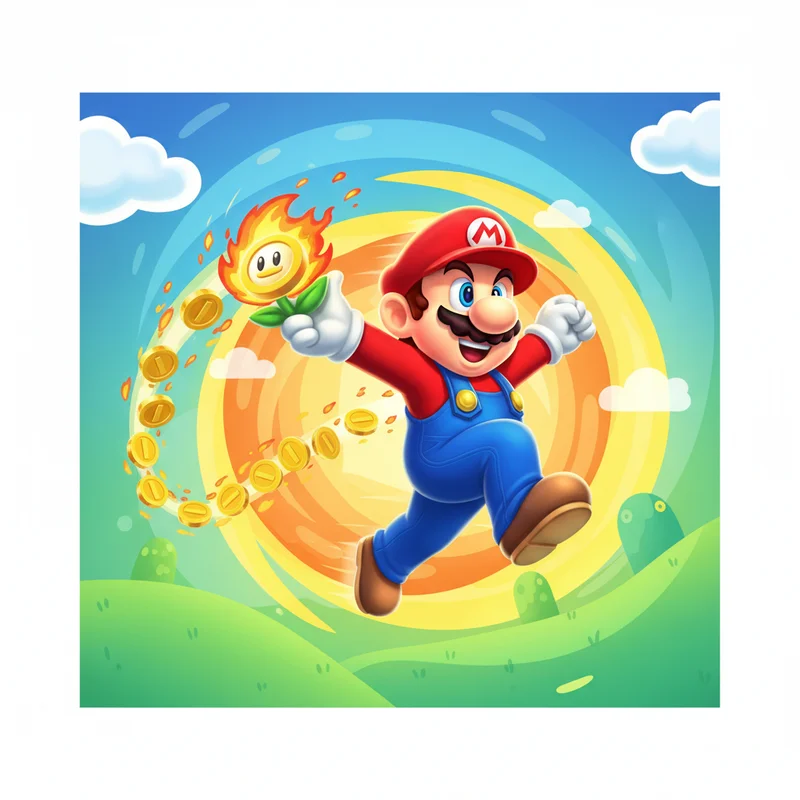
Mario's cultural infiltration operates through a distinctly participatory mechanism. Unlike passive media figures, the plumber demands active engagement. Players do not merely observe Mario; they become Mario, directing his movements through treacherous landscapes populated by hostile fungi and ill-tempered reptiles.
The character enjoys recognition rates exceeding 90% in developed nations, with studies indicating that his visage registers in human memory more readily than many religious and political figures. His catchphrases have entered common parlance across dozens of languages, though the precise meaning of 'It's-a me, Mario!' continues to elude linguistic scholars.
Nintendo's mascot has appeared in over 200 titles, spanning genres from racing to medical practice. This versatility has embedded him within gaming culture so thoroughly that he functions as shorthand for the medium itself.
Mickey Mouse
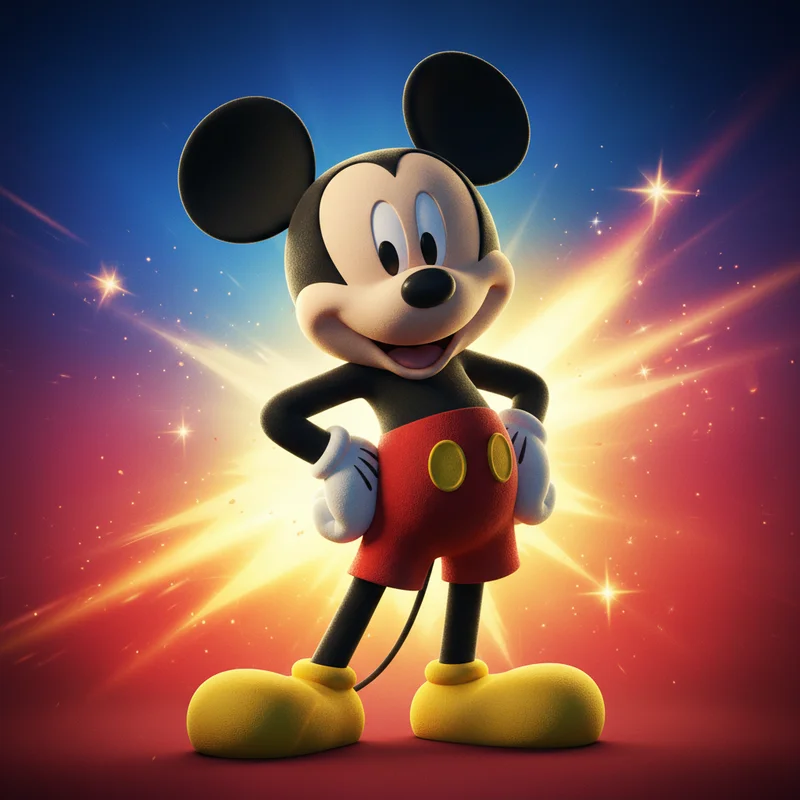
Mickey Mouse operates on an altogether different scale of cultural saturation. The rodent's influence extends far beyond entertainment into the very fabric of global commerce and diplomacy. His silhouette, comprising three circles of specific proportions, enjoys legal protection in virtually every jurisdiction on Earth.
The mouse has appeared in theatrical shorts, feature films, television programmes, theme parks, cruise ships, and merchandise numbering in the millions of distinct items. His image adorns hospitals, schools, and governmental buildings. Children in remote villages who have never encountered electricity nonetheless recognise those distinctive ears.
Perhaps most significantly, Mickey functions as the face of Disney itself, a corporation whose cultural influence shapes how billions understand storytelling, childhood, and imagination. When Mickey speaks, the entertainment industry listens with considerable attention.