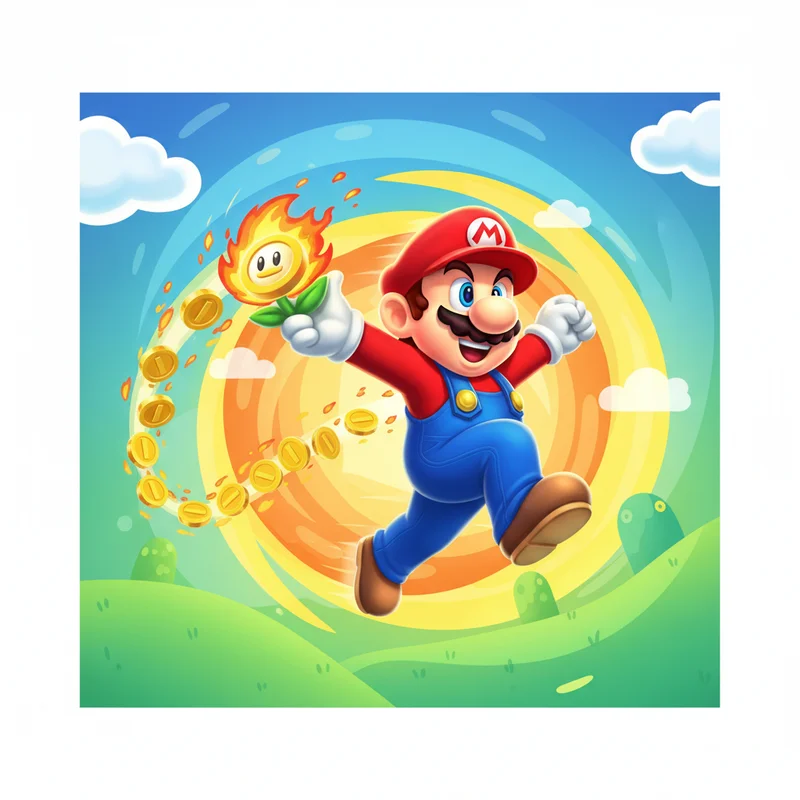
Mario
The Mario franchise has demonstrated extraordinary temporal resilience. Forty-three years after his debut, the character continues to headline critically acclaimed, commercially successful releases. Super Mario Bros. Wonder, released in 2023, achieved the highest Metacritic score for a 2D Mario title in over two decades.
This longevity stems from Nintendo's willingness to reinvent whilst preserving. Each console generation introduces novel mechanics, visual styles, and gameplay innovations whilst maintaining the essential Mario identity. The transition from 2D to 3D with Super Mario 64 fundamentally redefined the medium, yet the character remained instantly recognisable.
The franchise's durability is evidenced by its multi-generational appeal. Parents who grew up with the NES introduce their children to Switch titles, creating continuous demographic renewal that few entertainment properties achieve.
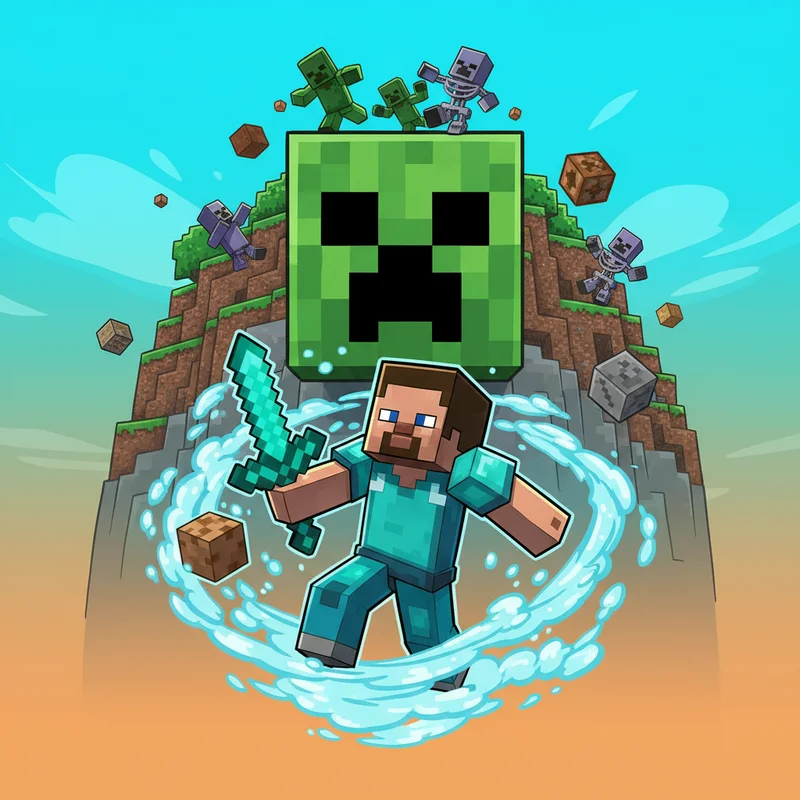
Minecraft
Minecraft's approach to longevity diverges fundamentally from traditional franchise management. Rather than producing sequels, Mojang has pursued a strategy of continuous evolution, delivering major content updates at no additional cost for over fourteen years. This model ensures that the game purchased in 2011 has transformed into an entirely different experience through accumulated enhancement.
The player-generated content ecosystem provides effectively infinite renewal. Even should official development cease entirely, the modification community and creative player base would continue generating novel experiences indefinitely. This distributed content creation model ensures sustainability independent of corporate decision-making.
Server communities have operated continuously for over a decade, maintaining persistent worlds, economies, and social structures. These digital societies demonstrate the game's capacity to sustain engagement across timeframes unprecedented in interactive entertainment.