Mario
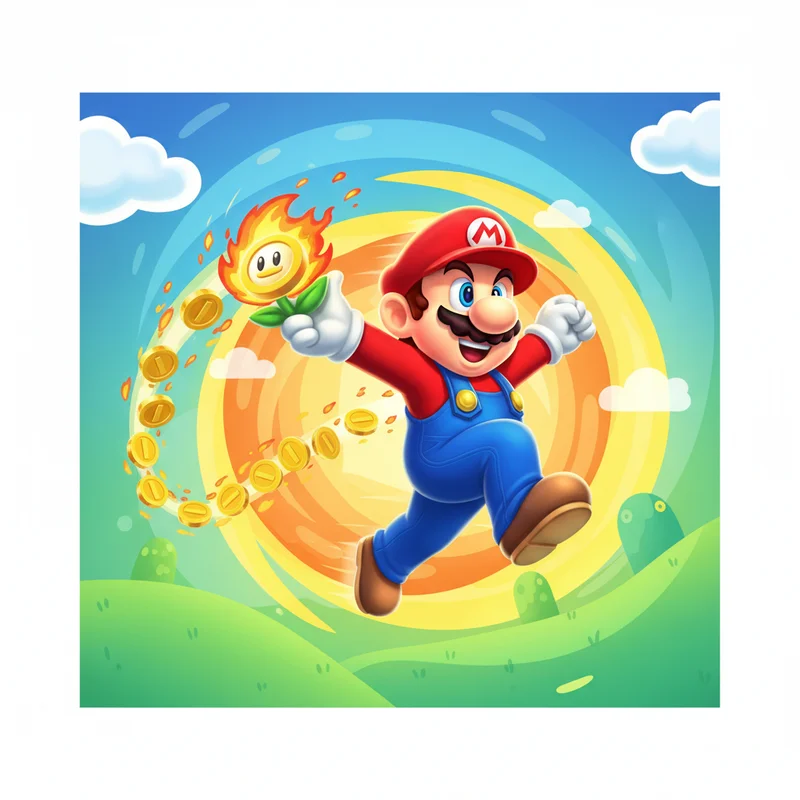
Mario's cultural influence cannot be overstated. As the face of Nintendo and arguably the most recognisable video game character in human history, his image has achieved saturation levels comparable to religious iconography in certain demographics. The distinctive combination of red cap, blue overalls, and magnificent moustache registers instantly across virtually every human culture, a feat of brand penetration that marketing professionals study with reverence.
The plumber's cultural footprint extends beyond mere recognition into active participation. Hundreds of millions of individuals have directly controlled Mario's actions, guiding him through adventures that span multiple decades of interactive entertainment. This participatory relationship creates emotional investment that passive media consumption cannot replicate. Players do not merely watch Mario; they become Mario, creating bonds that persist across generations.
Mario's influence on the medium of video games itself proves equally significant. His adventures established conventions that remain industry standard: the platformer genre, the power-up system, the boss battle structure. He did not merely participate in gaming culture; he defined its foundational architecture. Without Mario, the interactive entertainment industry would be unrecognisably different.
Spongebob
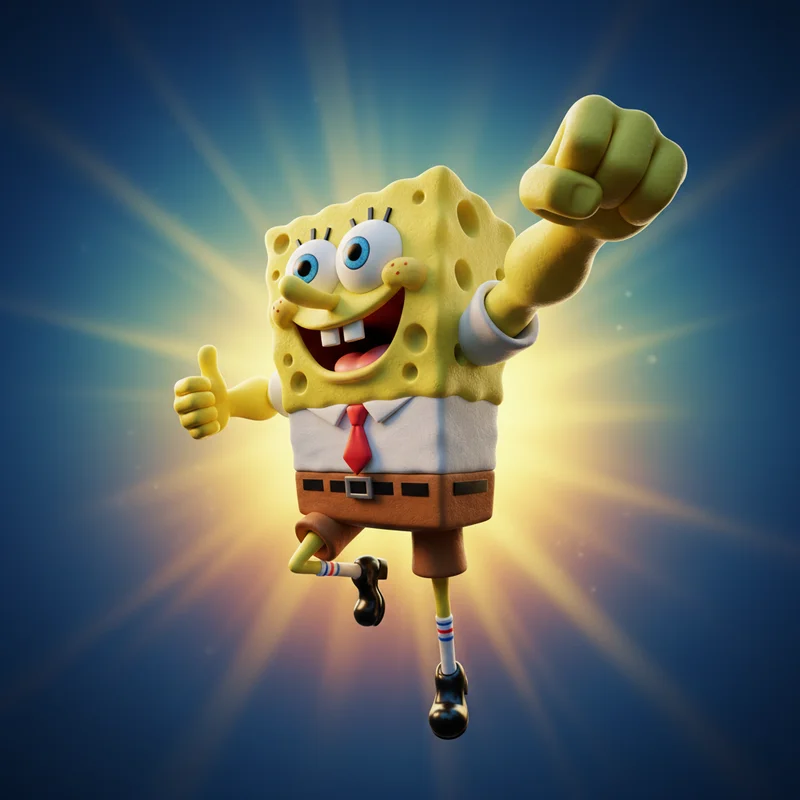
SpongeBob's cultural penetration has achieved what media analysts term omnipresent background radiation status. His image, voice, and catchphrases permeate contemporary culture to such degree that individuals who have never watched a single episode nonetheless possess comprehensive SpongeBob literacy. The yellow sponge has transcended his source material to become cultural shorthand for optimism, absurdity, and millennial nostalgia simultaneously.
The meme ecosystem surrounding SpongeBob represents a cultural phenomenon without precedent. Frames from the animated series serve as universal emotional expression templates, communicating complex feelings through imagery that crosses linguistic and cultural barriers. The Mocking SpongeBob, Tired SpongeBob, and countless other derivatives have become fundamental vocabulary for digital communication among younger generations.
SpongeBob's cultural influence extends into unexpected domains. Academic papers analyse his portrayal of capitalism, environmental sustainability, and neurodivergent representation. The series has been interpreted through Marxist, feminist, and postcolonial lenses, generating scholarly discourse typically reserved for literary classics. A children's cartoon about a sea sponge has achieved cultural text status that few properties ever attain.