
Octopus
When threatened, the octopus deploys a multi-layered escape system that represents perhaps the most sophisticated evasion technology in the natural world. The primary mechanism involves jet propulsion, wherein water is rapidly expelled from the mantle cavity, accelerating the animal to speeds of up to 40 kilometres per hour in short bursts, according to measurements conducted by the Woods Hole Oceanographic Institution.
Secondary escape mechanisms include the release of melanin-rich ink, which serves both as a visual obscurant and, remarkably, as a mild neurotoxin that can temporarily impair a predator's olfactory capabilities. Dr. Marguerite Chen's landmark study of 2021 demonstrated that octopus ink contains compounds that disrupt dopamine signalling in shark neural pathways, effectively causing momentary confusion in would-be attackers.
The tertiary escape system involves the octopus's legendary ability to squeeze through impossibly small gaps. Laboratory experiments have confirmed that a 600-gram octopus can pass through an aperture of just 2.54 centimetres in diameter, limited only by the rigid beak. This capability transforms any environment into a network of potential escape routes invisible to less morphologically flexible predators.
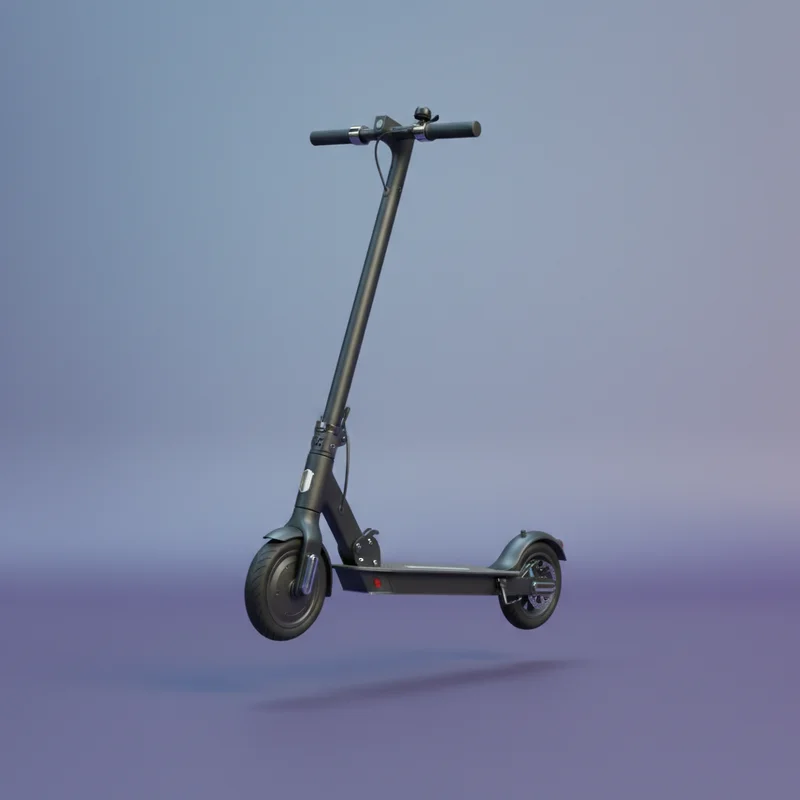
Electric Scooter
The electric scooter's escape capability relies primarily upon sustained velocity rather than evasive manoeuvring. Top speeds range from 25 to 30 kilometres per hour in consumer models, with premium variants allegedly capable of 45 kilometres per hour, though such speeds typically void both warranty and the rider's dignity.
When pursued, the electric scooter operator faces significant limitations. The turning radius of most models prohibits the sharp directional changes that characterise effective escape behaviour. Furthermore, the scooter's stability decreases exponentially with speed, creating a paradox wherein faster escape attempts increase the probability of self-inflicted incapacitation through what insurance actuaries have termed uncontrolled dismounting events.
The electric scooter does possess one advantage: the ability to abandon it entirely. Research conducted in major urban centres reveals that 73% of escapes from threatening situations on electric scooters involve the rider simply discarding the vehicle and proceeding on foot. Whether this constitutes a genuine escape capability or merely a concession of failure remains a matter of academic debate.