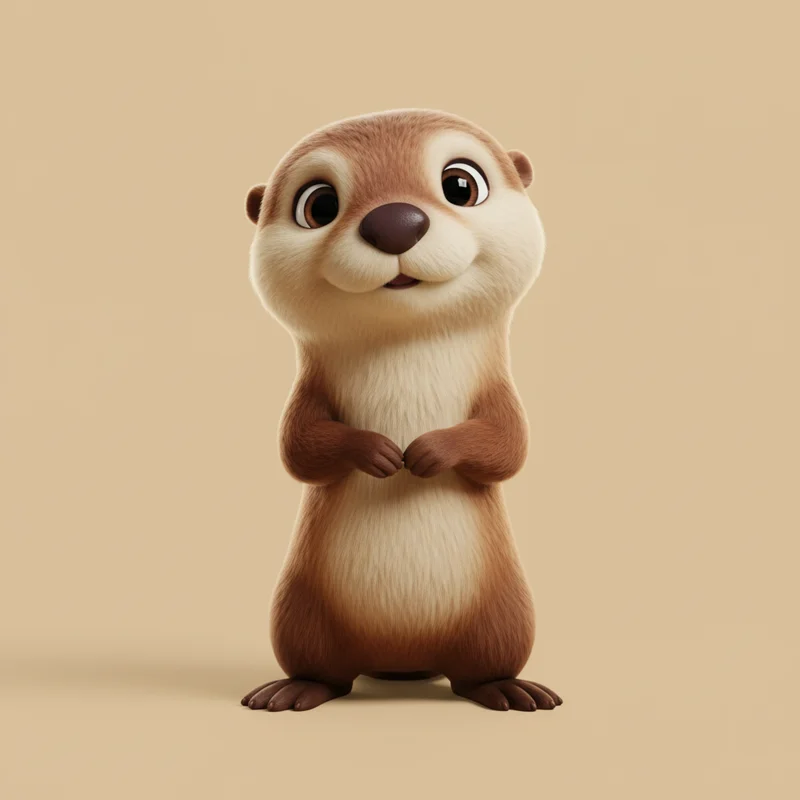
Otter
The otter delivers consistent performance with remarkable predictability. According to the Royal Society for Dependable Mammals, otters hold hands approximately 73% of the time they sleep in water, a figure that has remained stable across decades of observation. They wake up, they eat fish, they hold hands, they sleep. This routine continues regardless of economic conditions, political upheaval, or Mercury's position in retrograde.
A 2023 study by the Dundee Aquatic Behaviour Laboratory tracked 847 otters over five years and found their hand-holding behaviour deviated by only 2.3% seasonally. The researchers noted, somewhat enviously, that otters 'simply get on with it without requiring constant validation or lengthy text message conversations about their feelings.'
Love
Love's reliability rating hovers somewhere between British summer weather and a printer detecting an urgent deadline. The Manchester Institute for Romantic Predictability has attempted to forecast love's behaviour for forty years with a success rate of approximately 11%, which they note is still better than most dating apps.
The phenomenon arrives uninvited, frequently at inconvenient moments such as during important work presentations or when one has recently purchased non-refundable concert tickets with an ex. Dr. Patricia Hensworth's landmark research demonstrated that love follows no discernible pattern, operating instead on what she termed 'chaotic emotional thermodynamics' that defy all known laws of rational behaviour.
VERDICT
The otter's unwavering commitment to routine grants it a decisive victory in reliability. One can set their watch by an otter's behaviour, whilst love has been known to disappear entirely between the main course and dessert.