
Topic Battle

Where Everything Fights Everything

Panda

Panda

Beloved bamboo-eating bear from China, famous for black-and-white coloring and conservation symbolism.

VS
Wine

Wine

Fermented grape juice with thousands of years of tradition.

Battle Analysis

Emotional impact panda Wins
70%
30%
Panda Wine

Panda

The giant panda possesses what researchers term supernormal stimuli—features that trigger exaggerated nurturing responses in humans. The large head, round face, and eye patches mimic infant facial proportions that humans evolved to find compelling. Studies demonstrate measurable cortisol reduction in subjects viewing panda imagery. The species' apparent clumsiness, its habit of tumbling without apparent distress, activates protective instincts across cultures.

Panda cubs, weighing merely 100 grams at birth—approximately 1/900th of maternal weight—represent the most extreme size disparity in placental mammals. This biological curiosity, combined with the species' documented difficulty breeding, creates narrative tension that enhances emotional engagement. Humans root for pandas to survive because pandas seem incapable of surviving alone.

Wine

VERDICT

Pandas trigger powerful protective instincts through supernormal stimuli; bread's emotional appeal, whilst real, operates through subtler mechanisms.
Nutritional value bread Wins
30%
70%
Panda Wine

Panda

The giant panda offers zero nutritional value to humans under normal circumstances. Whilst technically edible—as are most mammals—the panda is protected under Chinese law with penalties including lengthy imprisonment, rendering consumption both impractical and inadvisable. The species itself demonstrates remarkably poor nutritional efficiency, extracting only 17 percent of energy from its bamboo diet, necessitating consumption of 12 to 38 kilograms daily. This metabolic inefficiency represents an evolutionary cul-de-sac that would have resulted in extinction without human intervention.

From a dietary perspective, the panda serves exclusively as an object of observation rather than consumption. Its contribution to human nutrition is precisely nil, a fact unlikely to change given its protected status and the considerable logistical challenges involved in procuring panda meat.

Wine

VERDICT

Bread has sustained billions of humans across millennia; pandas contribute nothing to human nutrition whatsoever.
Global availability bread Wins
30%
70%
Panda Wine

Panda

Giant pandas exist in precisely 27 zoos outside China, each pair on temporary loan at considerable expense. The wild population, whilst recovering, remains confined to fragmented bamboo forests in Sichuan, Shaanxi, and Gansu provinces—an area totalling approximately 8,000 square kilometres. The species cannot survive independently of human management; without continuous conservation intervention, extinction would follow within decades.

For the vast majority of humanity, pandas exist only as images—photographs, documentaries, and merchandise. Direct panda observation requires either residing near the limited zoo populations or undertaking expensive travel to Chinese reserves. The species is, by any practical measure, inaccessible to most humans.

Wine

VERDICT

Bread is produced and consumed globally with near-universal availability; pandas exist in 27 zoos and a single Chinese province.
Cultural significance bread Wins
30%
70%
Panda Wine

Panda

The giant panda occupies a unique position in modern cultural iconography. Since the Tang Dynasty practice of gifting pandas to foreign rulers, the species has served Chinese diplomatic interests with remarkable effectiveness. The modern loan programme, generating approximately £750,000 annually per breeding pair, combines soft power projection with conservation funding. As the emblem of the World Wildlife Fund since 1961, the panda has become synonymous with environmental protection globally.

The 2008 Beijing Olympics featured panda mascots, cementing the species' role as China's most recognisable cultural export after tea. Yet this cultural significance remains relatively recent, concentrated primarily in the twentieth and twenty-first centuries, and largely dependent upon the animal's visual appeal rather than functional contribution.

Wine

VERDICT

Bread is embedded in four thousand years of human language, religion, and social structure; panda significance is comparatively recent.
Economic contribution bread Wins
30%
70%
Panda Wine

Panda

Panda economics operate through a combination of loan fees, tourism revenue, and conservation funding. China receives approximately £750,000 per pair annually from foreign zoos, with cubs requiring additional payments of £250,000. Panda-hosting institutions report attendance increases of 30 to 50 percent following acquisitions, generating substantial indirect economic activity. The Chengdu Research Base of Giant Panda Breeding attracted 10 million visitors in 2019, contributing meaningfully to regional tourism.

However, this economic activity remains concentrated and specialised. Panda-related commerce supports a limited number of zoos, research facilities, and merchandise manufacturers. The total global economic impact, whilst significant for conservation, represents a fraction of major food commodities.

Wine

VERDICT

Bread generates £200 billion annually and employs millions; panda economics, whilst notable, remain comparatively marginal.
👑

The Winner Is

Wine

42 - 58

This analysis reveals a fundamental tension between symbolic significance and practical necessity. The giant panda has achieved remarkable success as a conservation icon, diplomatic tool, and trigger of human emotional responses. Its distinctive appearance and precarious existence have generated global concern and substantial conservation investment. Yet the panda's contribution to human civilisation remains essentially ornamental—it cannot be eaten, cannot work, and requires constant human intervention to survive.

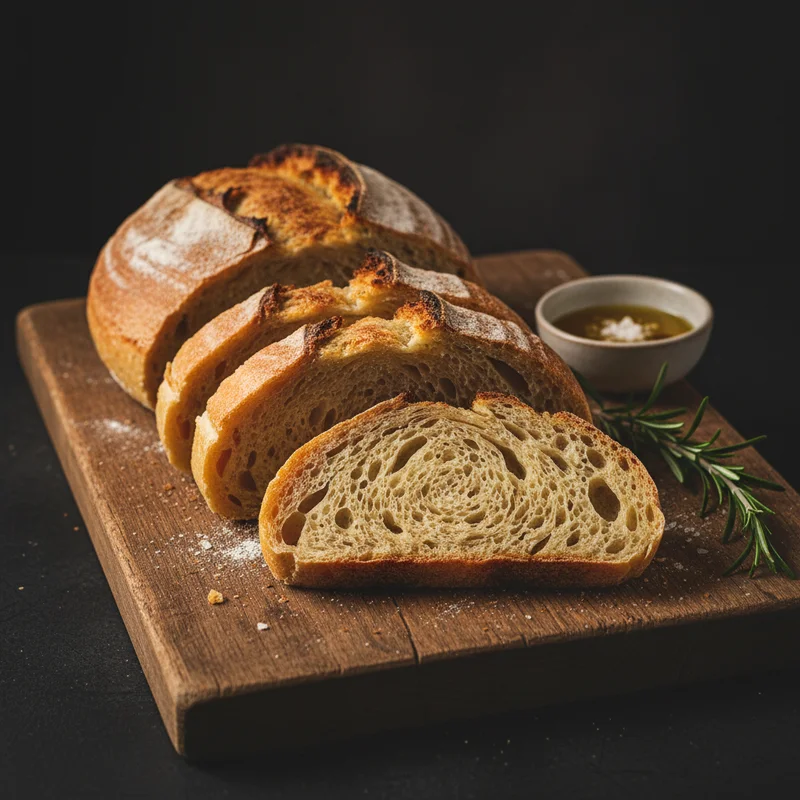
Bread, by contrast, requires no emotional manipulation to justify its existence. It simply feeds people—a function it has performed for ten thousand years across every inhabited continent. The substance upon which cities were built, empires maintained, and revolutions sparked cannot be compared unfavourably to a bear that chose to eat bamboo. Bread wins not because pandas lack value, but because bread's value is written into the foundations of human civilisation itself. The final score of 58-42 reflects bread's superior utility whilst acknowledging the panda's genuine cultural and emotional contributions.

Panda
42%
Wine
58%

Share this battle

More Comparisons