Topic Battle

Where Everything Fights Everything

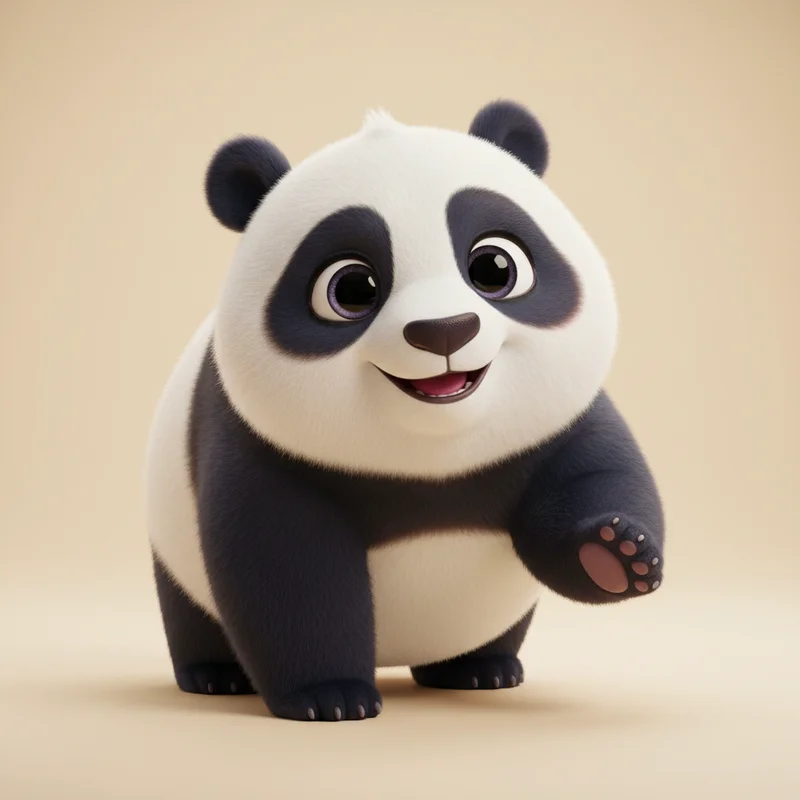
Panda

Panda

Beloved bamboo-eating bear from China, famous for black-and-white coloring and conservation symbolism.

VS
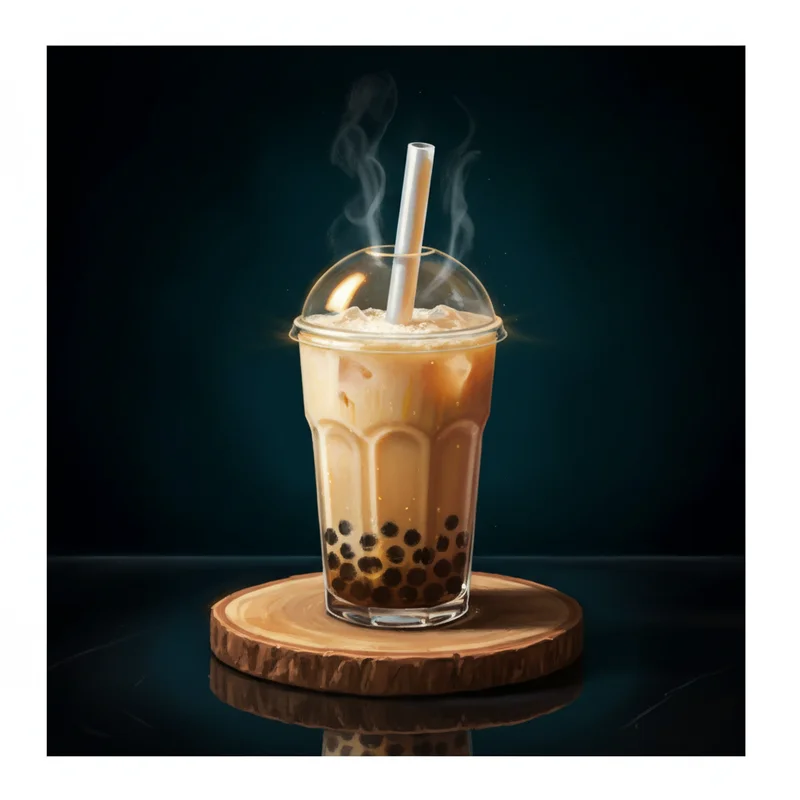
Bubble Tea

Bubble Tea

Taiwanese tea with chewy tapioca pearls.

Battle Analysis

Instagram aesthetics bubble_tea Wins
30%
70%
Panda Bubble Tea

Panda

The panda presents a natural colour scheme of stark black and white that requires no enhancement for visual impact. This high-contrast palette photographs exceptionally well across lighting conditions, from the dim interiors of zoo enclosures to the dappled sunlight of bamboo forests. The bear's rotund proportions and apparent clumsiness generate what researchers term kindchenschema responses: instinctive nurturing reactions to baby-like features.

Pandas perform activities inherently suited to viral content: tumbling, sneezing, appearing surprised by their own limbs. Zoo webcams streaming panda behaviour attract millions of viewers annually. The Edinburgh Zoo panda enclosure's webcam recorded 2.3 million views in a single year, suggesting humans will watch pandas do essentially nothing for extended periods.

Bubble Tea

Bubble tea exists in a visual format seemingly engineered for social media's vertical aspect ratios. The layered appearance of milk, tea, and suspended pearls creates natural visual interest. Transparent cups display contents with gallery-worthy precision, whilst the wide-gauge straw adds a distinctive silhouette recognisable at thumbnail scale.

Colour variations span the entire visible spectrum, from subtle earth tones to fluorescent purples that challenge camera sensors. The hashtag #bubbletea accumulates millions of posts annually, with dedicated accounts achieving follower counts in the hundreds of thousands by photographing nothing beyond beverage variations. The aesthetic proves so photogenic that many purchases occur primarily for their Instagram potential.

VERDICT

Bubble tea's infinite colour variations and engineered photogenicity provide more sustainable content creation than finite panda behaviours.
Long term sustainability bubble_tea Wins
30%
70%
Panda Bubble Tea

Panda

The giant panda has existed for approximately eight million years, demonstrating evolutionary durability that modern conservation efforts now work to extend. Breeding programmes have increased captive populations from desperately low figures, with the species' IUCN status improving from Endangered to Vulnerable in 2016. Sustained international commitment suggests continued presence into the foreseeable future.

However, pandas remain dependent upon increasingly threatened bamboo forests. Climate modelling indicates significant habitat reduction by 2100, with bamboo flowering cycles creating periodic starvation risks. The species survives through extraordinary intervention rather than robust ecological position, its long-term prospects contingent upon continued human commitment and funding.

Bubble Tea

Bubble tea operates within commercial frameworks that ensure adaptation to changing conditions. Market forces drive innovation, with new flavours, toppings, and preparation methods emerging annually. The product has already demonstrated resilience through multiple format evolutions, from traditional shops to convenience store products to home preparation kits.

Supply chain vulnerabilities exist, with tapioca production concentrated in specific tropical regions susceptible to climate disruption. However, alternative starches provide substitution options unavailable to species preservation. The concept of sweet tea with chewy additions proves remarkably resilient, capable of surviving ingredient substitution in ways that biological organisms cannot manage.

VERDICT

Commercial adaptability and ingredient flexibility provide sustainability advantages over species dependent upon specific habitat and dietary requirements.
Global cultural penetration panda Wins
70%
30%
Panda Bubble Tea

Panda

The giant panda has achieved diplomatic status unprecedented for a non-human mammal. Panda diplomacy operates as formal foreign policy, with China loaning specimens to nations as gestures of strategic goodwill at annual costs exceeding one million dollars per animal. As of 2024, pandas reside in nineteen countries across four continents, their presence negotiated at ministerial levels.

Cultural penetration extends beyond physical presence. The panda features as logo for the World Wildlife Fund, appears on Chinese gold bullion coins, and has served as Olympic mascot on multiple occasions. Brand recognition studies consistently place the panda among the most universally identified animals, surpassing many species that humans actually encounter in daily life.

Bubble Tea

Bubble tea has achieved market penetration that formal diplomacy cannot replicate. The global bubble tea market exceeded 4.3 billion dollars in 2024, with projections suggesting continued growth of 8.9 percent annually. Dedicated establishments now operate in every major metropolitan centre worldwide, from Stockholm to Sao Paulo.

Unlike pandas, bubble tea requires no international agreements for distribution. Any entrepreneur with equipment and training can establish operations, creating organic expansion that governmental programmes cannot match. The beverage has naturalised into local cultures with remarkable speed, spawning regional variations that would horrify purists whilst demonstrating genuine cultural adoption rather than mere importation.

VERDICT

Diplomatic-level recognition and universal brand awareness represent cultural penetration that commercial success, however impressive, cannot equal.
Accessibility to average person bubble_tea Wins
30%
70%
Panda Bubble Tea

Panda

Direct panda access remains profoundly restricted. Only approximately 1,900 giant pandas exist in the wild, with an additional 600 in captivity worldwide. Viewing requires either substantial travel to specific zoo facilities or extraordinary good fortune in Chinese mountain ranges. Wait times at popular panda exhibits regularly exceed two hours during peak periods.

Physical interaction proves essentially impossible for civilians. Programmes offering panda encounters exist in China at costs exceeding several hundred dollars for minutes of supervised proximity. The pandas themselves demonstrate limited interest in human visitors, often oriented toward bamboo consumption rather than audience engagement. The creature remains perpetually just beyond accessible reach.

Bubble Tea

Bubble tea achieves accessibility that pandas cannot conceptually approach. Urban residents in developed nations typically find bubble tea establishments within reasonable walking distance, with delivery applications extending reach to essentially anywhere vehicles can navigate. No appointment required, no conservation protocols observed, no queuing beyond standard commercial wait times.

Price points ranging from three to eight pounds place the beverage within reach of most discretionary budgets. Consumption can occur daily without ecological consequence or permit application. The experience proves infinitely repeatable, with customisation options ensuring novelty across hundreds of purchases. Bubble tea asks nothing of its consumer beyond payment and provides immediate satisfaction without prerequisite.

VERDICT

The fundamental availability of bubble tea versus the profound scarcity of panda access creates an unbridgeable accessibility differential.
Contribution to human wellbeing panda Wins
70%
30%
Panda Bubble Tea

Panda

Panda conservation has yielded benefits extending far beyond the species itself. The umbrella species concept positions pandas as protectors of entire ecosystems, with habitat preservation for pandas simultaneously conserving thousands of plant and animal species sharing their mountain environments. Conservation programmes have protected over 1.3 million hectares of Chinese forest.

Psychological research indicates that panda observation produces measurable stress reduction and mood elevation in viewers. The phenomenon extends to mere images, with panda photographs employed in therapeutic contexts. Pandas thus contribute to human wellbeing both through ecological preservation and direct emotional impact, a dual benefit few entities can claim.

Bubble Tea

Bubble tea provides hydration with enhanced sensory engagement, a contribution to physical wellbeing that conservation cannot match for immediacy. The act of consumption creates social contexts, with bubble tea establishments functioning as gathering spaces for demographics underserved by traditional cafe culture. The beverage facilitates human connection through shared experience.

Economic wellbeing benefits from the employment generated by an industry supporting hundreds of thousands of jobs globally. From tea farmers to shop operators to delivery drivers, bubble tea creates livelihoods across international supply chains. This tangible economic contribution affects human lives directly, converting ingredients into income with remarkable efficiency.

VERDICT

Ecosystem preservation affecting thousands of species and documented psychological benefits represent contributions that beverage consumption cannot replicate.
👑

The Winner Is

Panda

54 - 46

The panda emerges victorious through rarity, symbolic weight, and ecological significance that commercial beverages cannot approximate. A creature representing international cooperation, conservation achievement, and pure aesthetic appeal occupies cultural territory that no consumable can claim.

Bubble tea shall continue its worthy expansion, providing accessible pleasure across continents. Its contribution to daily happiness deserves recognition, its role in social connection valued, its economic impact acknowledged. Yet in the final accounting, it remains a product, infinitely replaceable through alternative beverages should fashion shift.

The panda, by contrast, is irreplaceable. Eight million years of evolution, diplomatic significance, and conservation symbolism concentrate in approximately 2,500 living specimens. Each panda represents something bubble tea can never embody: living heritage requiring protection rather than merely purchase. In competitions between the consumable and the irreplaceable, the irreplaceable must prevail.

Panda
54%
Bubble Tea
46%

Share this battle

More Comparisons