
Panda
Viewing a live panda requires either visiting one of approximately 25 zoos worldwide with panda programmes or travelling to central China's Sichuan province. Most humans will never see a panda in person. The Royal Geographical Society estimates that fewer than 0.3% of Earth's population has observed a panda outside of screens. This scarcity arguably increases perceived value but fundamentally limits access.
Panda ownership is legally impossible for private citizens. The animals remain property of the Chinese state regardless of birth location. Even zoos cannot purchase pandas, only lease them under strictly regulated conditions. The International Wildlife Law Consortium describes panda access as 'more restricted than enriched uranium, though considerably more photogenic.'
Cheese
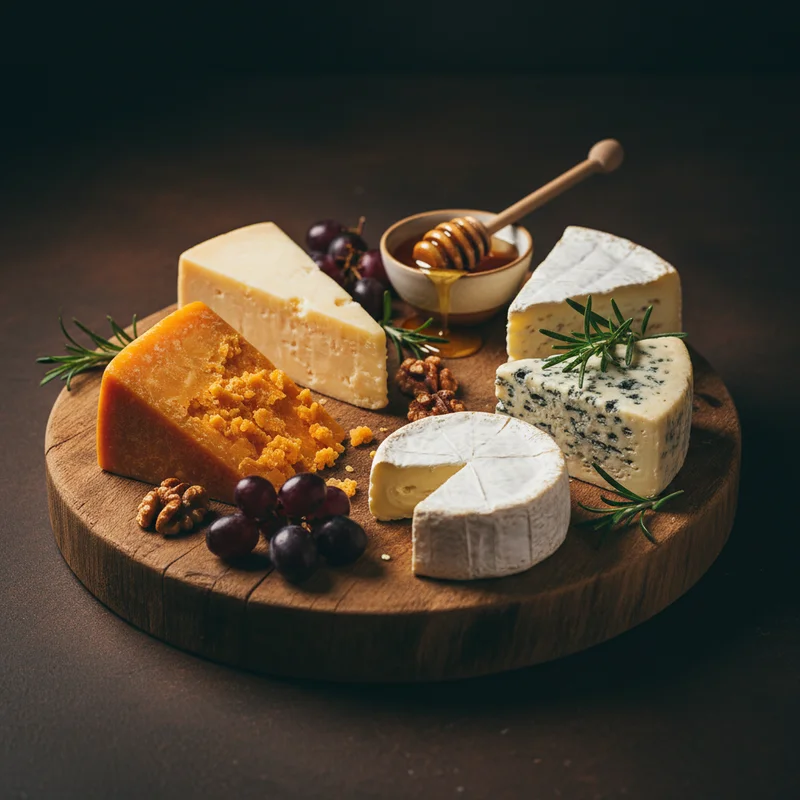
Cheese is available virtually everywhere humans have established settlements. From corner shops in rural Wales to supermarkets in suburban Tokyo, dairy products maintain an omnipresence that borders on the philosophical. The average British consumer encounters approximately 47 cheese purchasing opportunities weekly, according to the Reading Consumer Access Survey.
Price points range from budget cheddar at under $3 per kilogram to high-end varieties exceeding $100 per kilogram, ensuring cheese accessibility across economic strata. Lactose-free and vegan alternatives have further expanded the addressable market. The Sheffield Food Accessibility Institute concludes that cheese has achieved 'near-universal availability, limited only by polar expeditions and the truly lactose-averse.'
VERDICT
Accessibility represents cheese's most decisive advantage. While pandas remain precious and rare, cheese has democratised fermented dairy enjoyment globally. The Cambridge Access Index scores cheese at 9.7 versus panda's 2.4, noting that 'one can acquire cheese in one's pyjamas at 3 AM, whereas panda acquisition involves international treaties.'