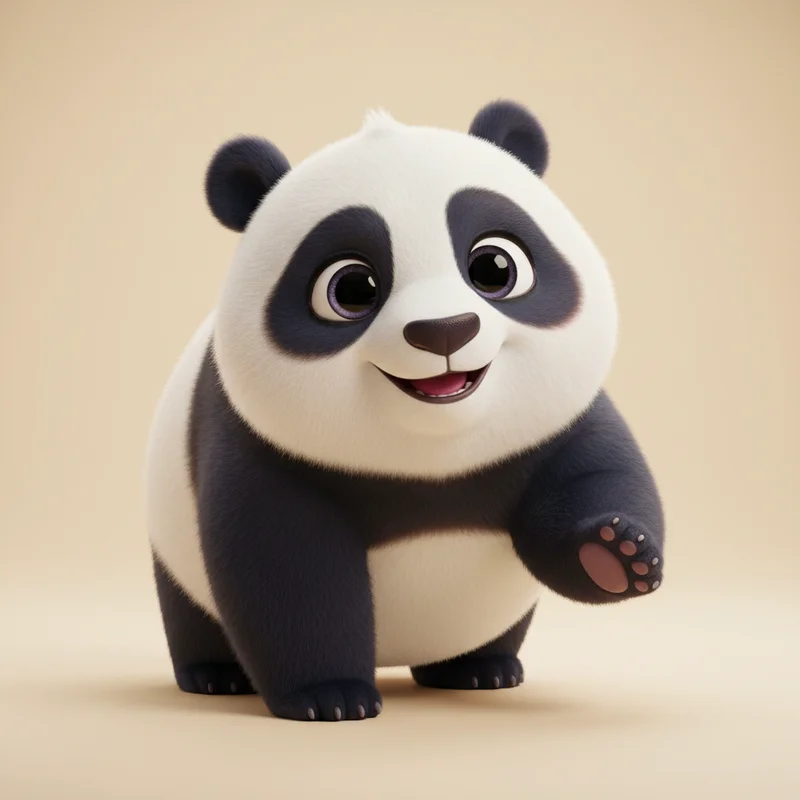
Panda
The giant panda's adaptability record invites polite scholarly concern. The species has specialised to such extreme degree that survival outside specific bamboo forest habitats appears essentially impossible. When bamboo periodically flowers and dies across entire regions—a natural phenomenon occurring at intervals of 40 to 120 years—panda populations face starvation. The species' notoriously low reproductive rate, with females fertile for merely 24 to 72 hours annually, compounds vulnerability. Pandas in captivity often fail to mate without human intervention, artificial insemination, or the assistance of 'panda pornography' demonstrating appropriate reproductive behaviour.
The panda's digestive system remains poorly adapted to its chosen diet, retaining the short intestinal tract of a carnivore whilst processing fibrous plant material. This evolutionary mismatch necessitates near-constant eating. One must admire the species' commitment to its peculiar lifestyle whilst acknowledging that adaptability does not number among its strengths.
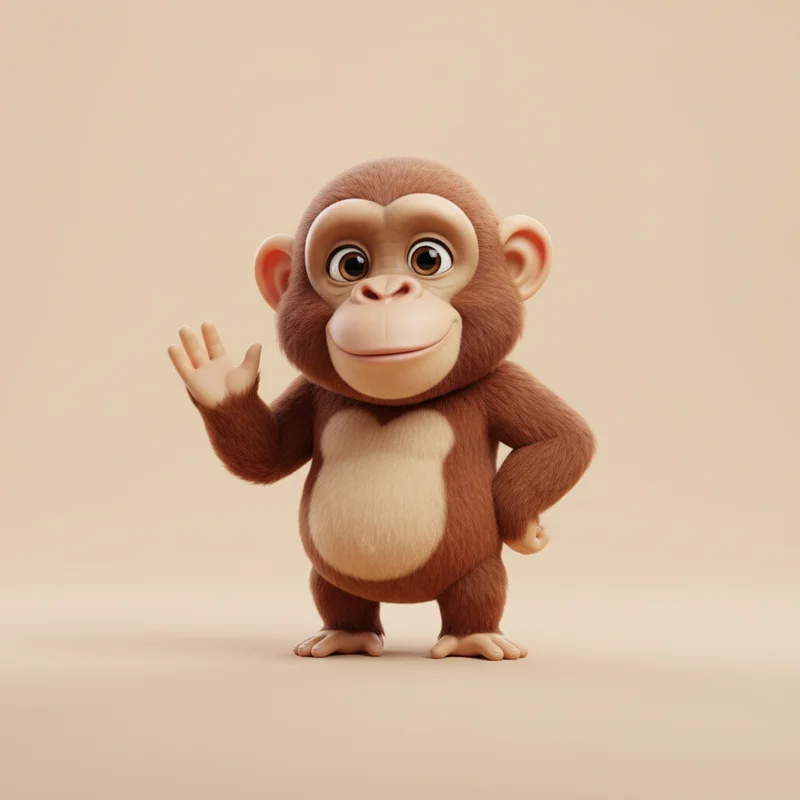
Chimpanzee
The chimpanzee demonstrates adaptability that approaches the remarkable. Wild populations occupy habitats ranging from rainforests to savannah woodlands, adjusting behaviour and diet according to local conditions. Chimpanzees consume over 300 different plant species and supplement with insects, honey, and occasionally meat from hunted prey. When preferred foods become scarce, populations shift dietary composition rather than facing extinction.
Behavioural flexibility extends beyond diet. Different chimpanzee communities have developed distinct cultural traditions—unique tool-using techniques, grooming rituals, and communication patterns passed through generations. This cultural adaptability, mirroring human capacity for learned behavioural modification, represents evolutionary advantage of extraordinary significance. The chimpanzee can adjust; the panda merely persists.