Topic Battle

Where Everything Fights Everything

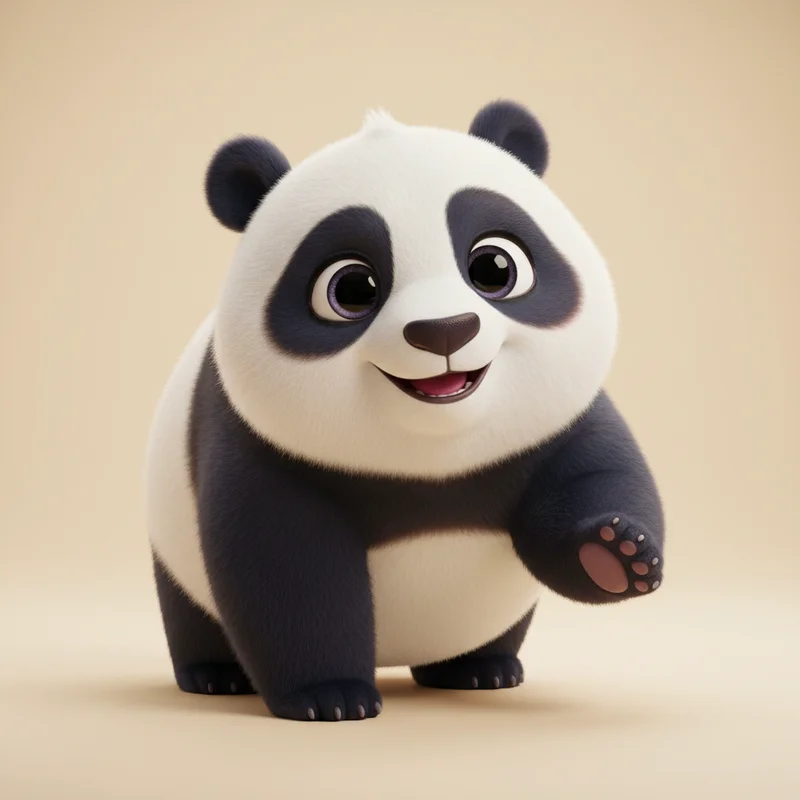
Panda

Panda

Beloved bamboo-eating bear from China, famous for black-and-white coloring and conservation symbolism.

VS
Otter

Otter

Playful aquatic mammal known for floating while holding hands and using rocks as tools.

The Matchup

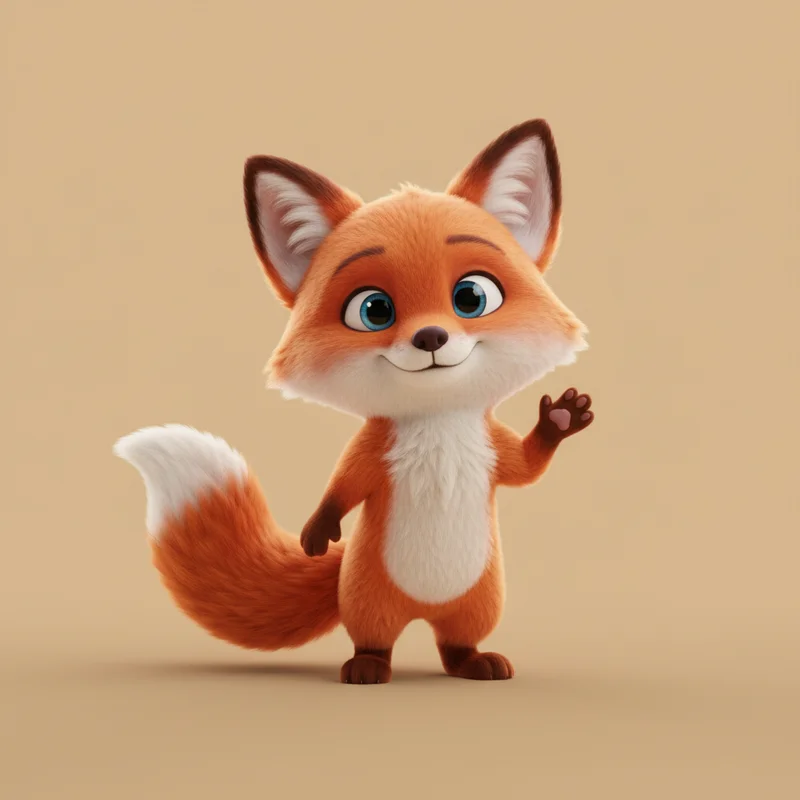
The giant panda and the red fox represent two fundamentally opposed philosophies in the animal kingdom. One has become the world's most expensive conservation project, consuming $1 million per individual annually in captive breeding programmes. The other thrives in environments ranging from Arctic tundra to urban dustbins, with a global population exceeding 10 million individuals. This is not merely a comparison of species; it is an examination of whether evolution rewards specialists or generalists.

Battle Analysis

Adaptability Fox Wins
30%
70%
Panda Otter

Panda

The giant panda has committed what biologists diplomatically term a dietary miscalculation. Despite possessing the digestive system of a carnivore, it consumes 12-38 kilograms of bamboo daily, extracting merely 17% of available nutrients. This arrangement requires the panda to spend 14 hours per day eating, leaving precious little time for anything resembling ambition. Its habitat requirements are extraordinarily specific: mountainous bamboo forests at elevations between 1,200 and 3,400 metres, preferably with minimal disturbance and absolutely no requirement for haste.

Otter

VERDICT

The fox's omnivorous opportunism versus the panda's bamboo dependency presents no contest. One species follows human civilisation; the other requires human civilisation to follow it with extensive life support.

Cultural impact Panda Wins
70%
30%
Panda Otter

Panda

The giant panda has achieved something remarkable: it has become simultaneously endangered and omnipresent. As the World Wildlife Fund's logo since 1961, it represents global conservation efforts worth billions of pounds annually. China deploys pandas as diplomatic instruments, with rental fees reaching $1 million per animal per year. The panda's image adorns everything from children's films to cryptocurrency logos. It has monetised its own helplessness with extraordinary success.

Otter

VERDICT

The panda has achieved global brand recognition that marketing executives would sacrifice significant budgets to replicate. The fox, whilst culturally significant, inspires admiration and suspicion in equal measure. In the currency of universal affection, the panda holds a monopoly.

Long term viability Fox Wins
30%
70%
Panda Otter

Panda

Giant panda populations have increased from approximately 1,114 in the 1980s to over 1,800 today, representing a genuine conservation success. However, this achievement required 67 dedicated reserves, international breeding programmes, and expenditure exceeding the GDP of small nations. Climate projections suggest 35% of bamboo habitat may become unsuitable by 2100. The panda's survival increasingly depends on humanity's continued willingness to fund its extremely particular lifestyle requirements.

Otter

VERDICT

The fox's self-sustaining populations versus the panda's dependency on continuous human intervention presents a stark assessment of long-term prospects. One species writes its own future; the other requires extensive editorial assistance.

Survival intelligence Fox Wins
30%
70%
Panda Otter

Panda

Pandas exhibit what researchers charitably describe as low behavioural flexibility. Problem-solving assessments reveal limited innovation. When bamboo flowers and dies - occurring roughly every 15-120 years across entire regions - pandas historically migrated. Modern habitat fragmentation has complicated this strategy considerably. Their response to threats typically involves climbing trees and waiting, a tactic of varying effectiveness.

Otter

VERDICT

The fox's demonstrated problem-solving abilities and adaptive learning contrast sharply with the panda's rather limited behavioural repertoire. One species thinks; the other chews.

Reproductive efficiency Fox Wins
30%
70%
Panda Otter

Panda

Panda reproduction appears designed by a committee that actively disliked pandas. Females are fertile for 24-72 hours annually. Males frequently demonstrate profound confusion regarding the mechanics involved. Cubs weigh approximately 100 grams at birth - roughly 1/900th of their mother's weight - and remain helpless for months. In the wild, breeding success rates hover around 30%. Conservation programmes have resorted to showing pandas instructional videos, with mixed results.

Otter

VERDICT

The panda's reproductive reluctance versus the fox's prolific output represents perhaps the starkest contrast in this analysis. One requires artificial insemination and international diplomacy; the other simply requires a spring evening.

👑

The Winner Is

Otter

42 - 58

The final assessment delivers a score of Fox 58, Panda 42. This is not a judgement on intrinsic worth but rather an evaluation of evolutionary strategy. The fox has mastered the art of thriving in a changing world, adapting to challenges with intelligence and flexibility. The panda has chosen specialisation to such an extreme degree that it now requires a global support network simply to persist. In strictly biological terms, the fox represents success; the panda represents success in convincing others to ensure its survival. Both strategies work, but only one functions independently.

Panda
42%
Otter
58%

Share this battle

More Comparisons