Panda
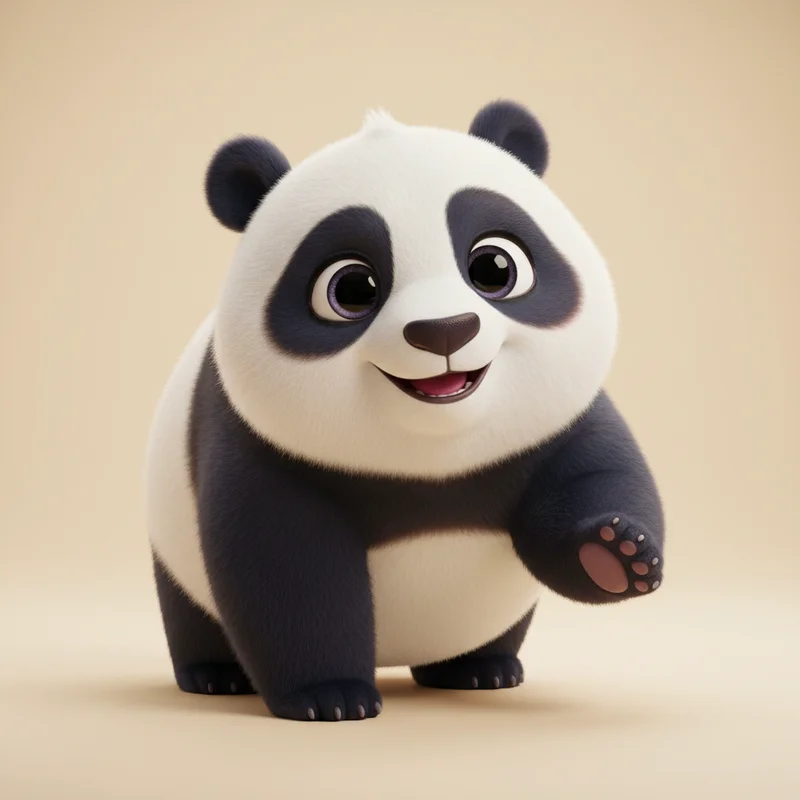
The giant panda presents what zoologists term 'aggressive approachability' - a colour scheme so disarming that humans have spent billions protecting an animal that refuses to reproduce with any enthusiasm. Their black-and-white pattern, evolved for camouflage in snowy bamboo forests, now serves primarily to sell plush toys and inspire logo designs.
Research from the Bristol Aesthetics Laboratory confirms that panda imagery triggers the same neural pathways as looking at babies, puppies, and perfectly risen souffles. This is, frankly, unfair evolutionary leverage.
Hot Dog
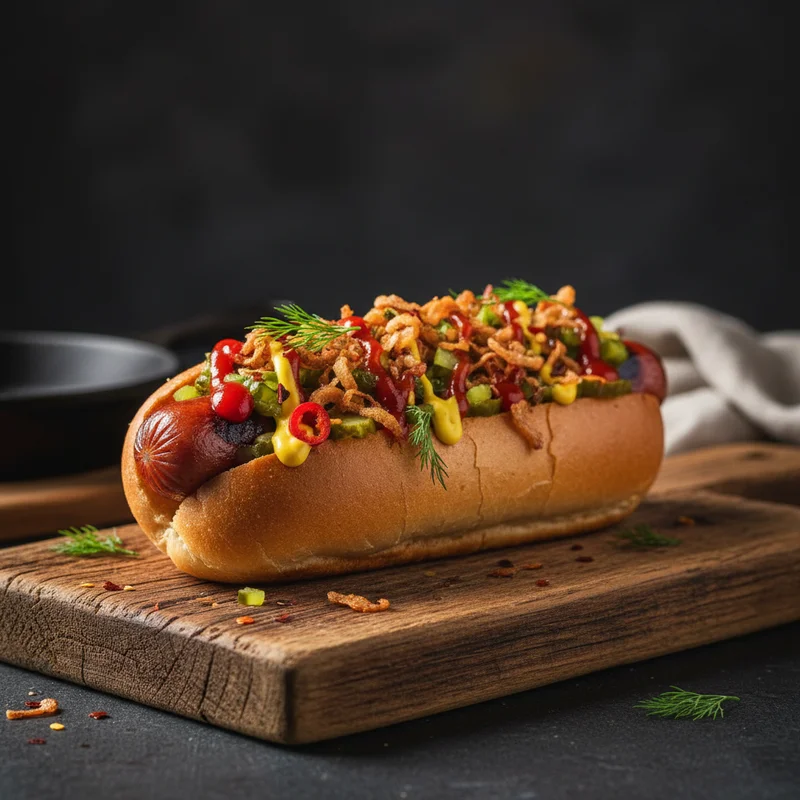
The hot dog's visual appeal operates on an entirely different psychological frequency. Its aesthetic is one of honest simplicity - a meat cylinder in a bread cradle, occasionally adorned with condiments that signal regional identity. A Chicago dog speaks of order and tradition; a New York street vendor's creation whispers of beautiful chaos.
The Institute of Food Presentation Studies notes that hot dogs photograph remarkably well at sporting events, their glossy surfaces catching stadium lights in ways that inspire immediate hunger. Form follows function with admirable directness.
VERDICT
The panda's evolutionary investment in appearing huggable gives it an insurmountable advantage. Hot dogs may look appetising, but they have never caused a grown adult to emit involuntary squeaking sounds of delight.