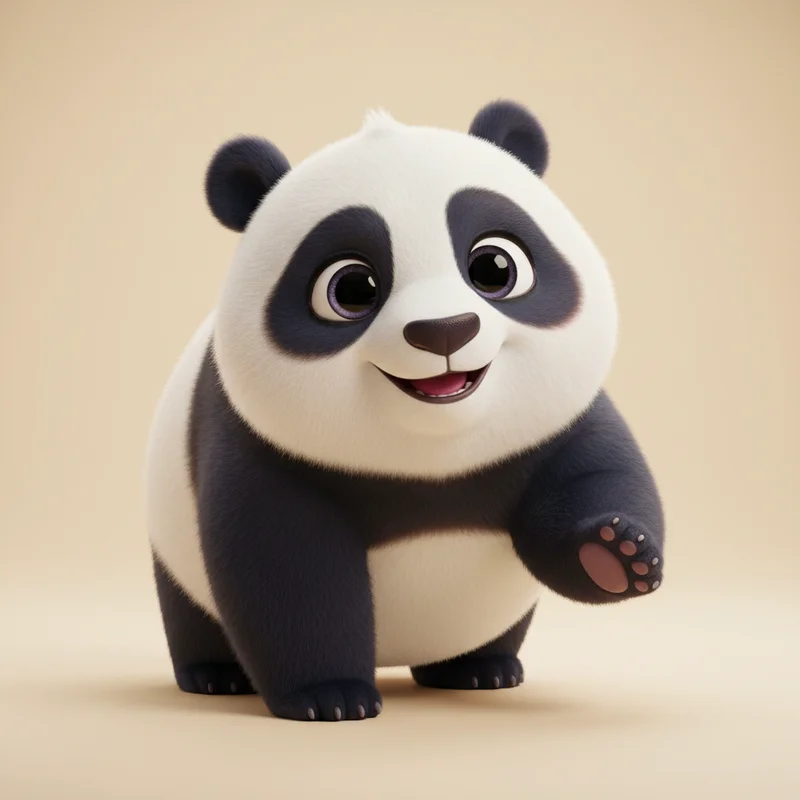

Panda
The giant panda has achieved cultural penetration that marketing executives can only dream of accomplishing. The World Wildlife Fund selected the species as its logo in 1961, launching decades of association between pandas and environmental consciousness. The choice was strategic: the panda's monochrome colouring reproduced well in black-and-white printing, and its non-threatening appearance generated donations more effectively than, say, the equally endangered Sumatran rhinoceros.
Diplomatic deployment has further elevated cultural status. Panda loans between China and recipient nations constitute soft power projection valued in the hundreds of millions. The animals serve as living treaties, their health monitored as closely as bilateral relations. No other species has been so thoroughly weaponised for international relations, a distinction the hoverboard cannot remotely approach.
Hoverboard
The hoverboard's cultural moment arrived suddenly and departed nearly as quickly. Peak penetration occurred between 2015 and 2017, when the devices appeared in music videos, celebrity social media posts, and mall kiosks worldwide. Airline bans and apartment fire regulations followed shortly thereafter, transforming the hoverboard from aspirational accessory to cautionary tale.
The cultural legacy persists primarily in compilation videos documenting operational failures. Unlike the panda's enduring symbolic value, the hoverboard has become shorthand for technological hubris and ill-considered purchases. Gift guides now cite the device as emblematic of presents that generate brief enthusiasm followed by prolonged storage. The cultural icon status achieved is real but distinctly unflattering.