
Topic Battle

Where Everything Fights Everything

Panda

Panda

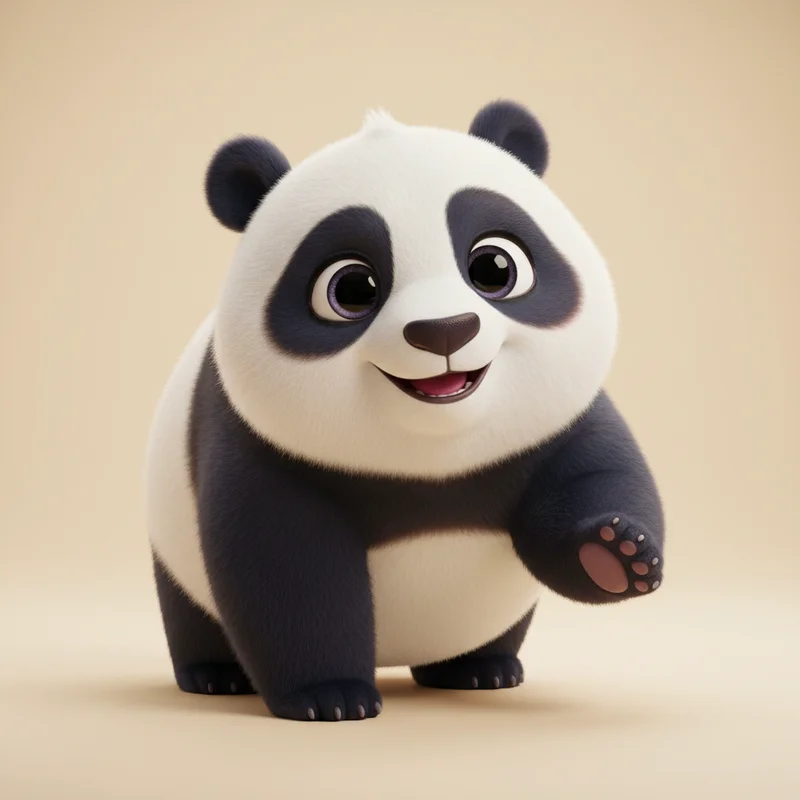
Beloved bamboo-eating bear from China, famous for black-and-white coloring and conservation symbolism.

VS
Bee

Bee

Essential pollinator responsible for one-third of food production, organized in remarkable hive societies.

Battle Analysis

Daily utility laptop Wins
30%
70%
Panda Bee

Panda

The giant panda's daily utility to human civilisation approaches zero in practical terms. These creatures cannot be domesticated, ridden, milked, or employed in any conventional labour. Their contribution consists entirely of existing photogenically and thereby generating tourism revenue and conservation awareness. A panda spends approximately 14 hours daily eating bamboo to extract sufficient nutrients from a food source its digestive system was never designed to process. The remaining hours involve sleeping, defecating up to 40 times per day, and occasionally falling over in ways that humans find inexplicably delightful. No task of meaningful productivity has ever been completed by a panda.

Bee

VERDICT

Laptops enable global commerce and communication; pandas enable only their own survival, barely.
Sustainability panda Wins
70%
30%
Panda Bee

Panda

The giant panda exists as testament to what sufficient resources can achieve against extinction. Conservation efforts increased wild populations from approximately 1,114 individuals in the 1980s to over 1,800 today. Panda reserves protect 8,000 square kilometres of habitat, benefiting thousands of other species. The species' biological sustainability remains precarious: female pandas are fertile for merely 24-36 hours annually, and males frequently display more interest in eating than mating. Without ongoing human intervention, population collapse remains possible. The panda survives because humanity decided its survival mattered enough to fund it indefinitely.

Bee

VERDICT

Pandas represent successful species preservation; laptops represent accumulating electronic waste.
Emotional impact panda Wins
70%
30%
Panda Bee

Panda

The panda's capacity to generate human emotional response borders on the supernatural. Studies conducted at Edinburgh Zoo demonstrated that cortisol levels in visitors decreased by 18 percent following panda observation. The species' neotenic features—large head, round face, seemingly innocent expression—trigger nurturing instincts hardwired into human psychology. Videos of pandas tumbling, sneezing, or simply existing accumulate billions of views. The emotional bond humans form with pandas defies rational analysis; we collectively spend millions preserving an animal that would, left to its own devices, almost certainly become extinct through sheer reproductive indifference.

Bee

VERDICT

Pandas trigger pure joy; laptops trigger complex emotions ranging from relief to rage.
Global influence laptop Wins
30%
70%
Panda Bee

Panda

Panda diplomacy has operated as Chinese soft power since at least 685 CE, when Empress Wu Zetian gifted pandas to Japan. The modern programme generates approximately £750,000 annually per panda pair in loan fees, with additional requirements for conservation funding. Only 27 zoos worldwide currently house giant pandas, making access a marker of diplomatic favour. The species serves as the emblem of the World Wildlife Fund, appearing on countless charity materials and conservation campaigns. However, this influence remains largely symbolic; pandas have altered no trade agreements, ended no conflicts, and shifted no major policy positions.

Bee

VERDICT

Laptops restructured human civilisation; pandas restructured conservation funding priorities.
Evolutionary design laptop Wins
30%
70%
Panda Bee

Panda

The giant panda represents one of evolution's most baffling decisions. Approximately 2.4 million years ago, the panda's ancestors abandoned their carnivorous heritage to specialise in bamboo consumption. This proved problematic, as pandas retained a carnivore's digestive system—incapable of efficiently extracting nutrients from plant matter. The result: a creature that must consume 12-38 kilograms of bamboo daily to survive, possesses a false thumb evolved specifically for gripping bamboo stalks, yet extracts only 17 percent of the nutrients available. The panda is a masterclass in evolutionary commitment to a poor initial decision.

Bee

VERDICT

Laptop design improves intentionally; panda design remains committed to nutritional catastrophe.
👑

The Winner Is

Bee

47 - 53

This examination of nature's most charismatic underachiever against technology's most ubiquitous productivity tool reveals surprising parallels. Both inspire irrational devotion: consumers queue overnight for new laptop releases with the same fervour that zoo visitors display for panda viewings. Both generate economic activity vastly disproportionate to their intrinsic utility. Both face sustainability challenges that require systemic intervention. The laptop emerges with a narrow victory not through superiority of design—the panda's false thumb shows comparable evolutionary ingenuity to the trackpad—but through practical indispensability. Modern human civilisation could function without pandas; it could not function without portable computing. Yet the panda reminds us that utility is not the sole measure of worth. Some things deserve preservation simply because their existence enriches our world. The laptop wins this battle, but the panda wins something arguably more important: the argument that charisma matters.

Panda
47%
Bee
53%

Share this battle

More Comparisons