Topic Battle

Where Everything Fights Everything

Panda

Panda

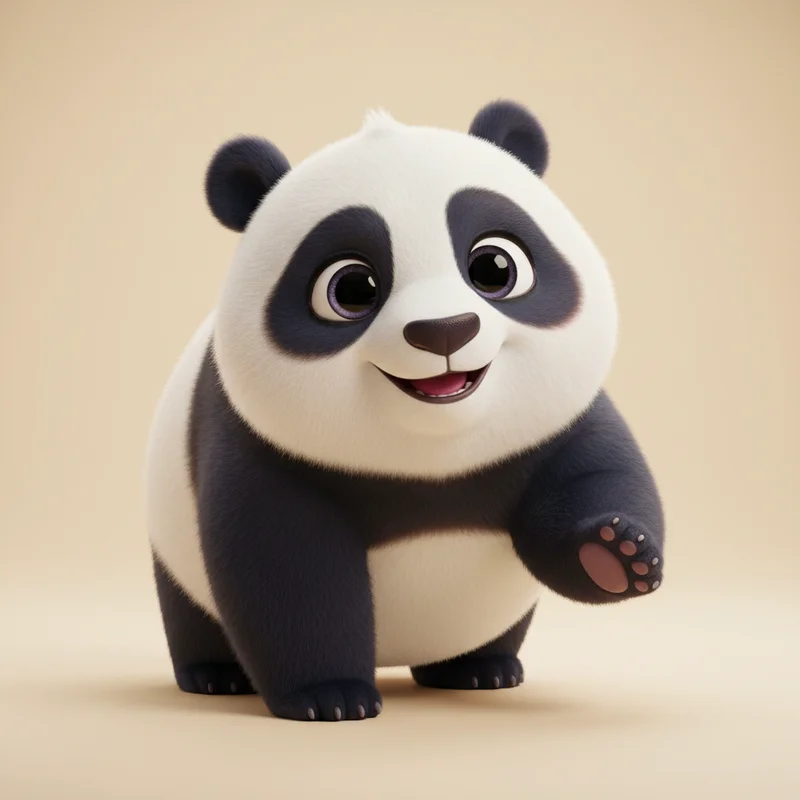
Beloved bamboo-eating bear from China, famous for black-and-white coloring and conservation symbolism.

VS
Milkshake

Milkshake

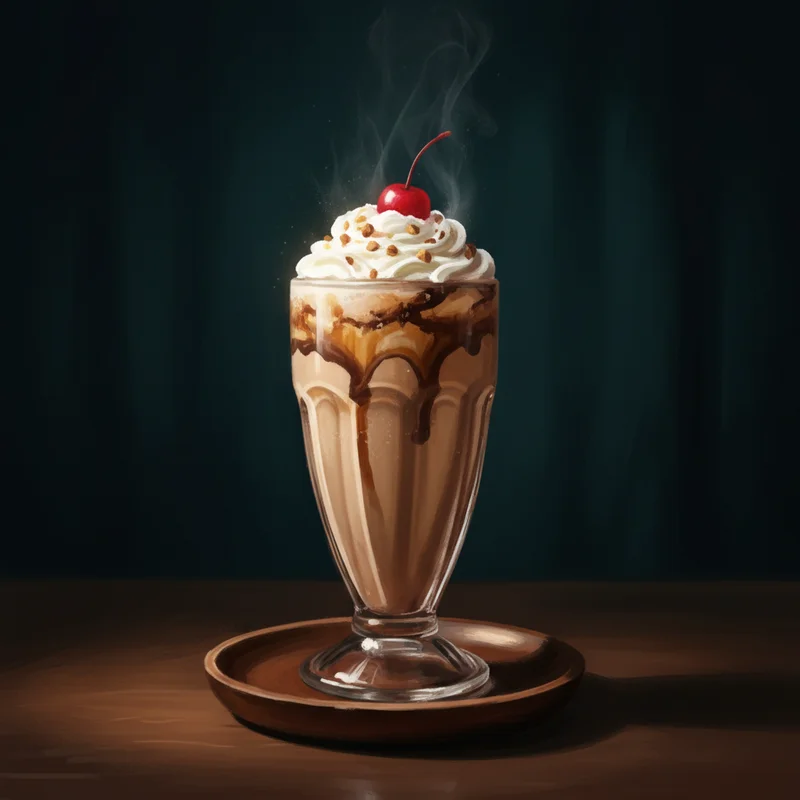
Blended ice cream drink that brings people to yards.

Battle Analysis

Accessibility milkshake Wins
30%
70%
Panda Milkshake

Panda

Experiencing an actual panda requires considerable effort. Only twenty-seven zoos worldwide currently house giant pandas, each paying approximately 750,000 pounds annually for the privilege. Travel to these institutions, entrance fees, and competition with other visitors for viewing time all constrain access. Digital panda content proliferates freely, yet the vicarious experience pales against physical proximity. For the vast majority of humanity, pandas will remain a mediated experience—photographs, videos, plush toys—rather than a direct encounter. The panda is, fundamentally, a luxury accessible primarily through screens.

Milkshake

The milkshake achieves near-universal accessibility in developed nations. Any establishment with ice cream and milk can produce one; fast food outlets offer them for under three pounds at thousands of locations per country. Home production requires only a blender and basic ingredients. The milkshake can be experienced fully without special planning, significant expense, or geographical relocation. This accessibility represents the milkshake's fundamental advantage: it delivers its pleasures immediately, repeatedly, and affordably to virtually anyone who desires them.

VERDICT

Milkshakes are available everywhere affordably; pandas require significant effort to experience
Visual appeal panda Wins
70%
30%
Panda Milkshake

Panda

The giant panda's aesthetic appeal operates through what evolutionary biologists term supernormal stimuli. The distinctive black eye patches create the illusion of enlarged eyes, triggering nurturing instincts hardwired into the human psyche. The rotund body shape, the apparent softness of fur, and the species' tendency toward clumsy movement combine to create what researchers have documented as one of the most universally appealing animal forms. Brain imaging studies confirm that viewing pandas activates reward centres associated with caregiving behaviours. The panda's visual design, whilst entirely incidental to its survival, has proven extraordinarily effective at soliciting human protection.

Milkshake

The milkshake's visual appeal has evolved through decades of deliberate optimisation. The tall glass, the whipped cream crown, the cherry perched atop, the condensation beading on the exterior—each element has been refined to maximise desirability. Instagram-era milkshakes have escalated to baroque extremes: towers of cookies, cascading chocolate, cotton candy clouds. The American diner aesthetic, with its chrome and neon, developed specifically to frame milkshakes as objects of desire. However, this appeal is constructed rather than inherent, requiring considerable artifice to achieve optimal presentation. An unadorned milkshake, whilst pleasant, rarely inspires photography.

VERDICT

Panda appeal is biologically hardwired; milkshake appeal requires deliberate presentation
Emotional resonance panda Wins
70%
30%
Panda Milkshake

Panda

The emotional response to pandas operates on multiple psychological registers simultaneously. Their endangered status activates protective instincts; their apparent vulnerability suggests a creature requiring human intervention to survive. The species has become symbolic of conservation itself—to care about pandas signals caring about the natural world broadly. Viewing pandas engaged in their characteristic behaviours—rolling, tumbling, chewing bamboo with mechanical dedication—generates measurable reductions in stress hormones. The panda occupies a unique position as a creature that makes humans feel both protective and protected, nurturing yet calmed.

Milkshake

Milkshake emotional resonance draws heavily upon nostalgia architecture. For generations raised on American cultural exports, the milkshake evokes specific associations: first dates at diners, post-cinema treats, reward-based parenting. The beverage has been so thoroughly embedded in coming-of-age narratives that consuming one triggers autobiographical memory retrieval. Additionally, the sugar-fat combination activates dopamine pathways with pharmaceutical reliability, providing genuine biochemical pleasure. However, this emotional response frequently terminates in guilt, as health-conscious consumers confront the caloric reality of their indulgence. The milkshake's emotional arc often includes regret as its final act.

VERDICT

Panda emotions conclude positively; milkshake pleasure often terminates in dietary guilt
Cultural penetration milkshake Wins
30%
70%
Panda Milkshake

Panda

The panda has achieved extraordinary cultural penetration through strategic deployment. The World Wildlife Fund logo, adopted in 1961, appears in virtually every nation on Earth. Kung Fu Panda generated 1.8 billion dollars in global box office revenue. The 2008 Beijing Olympics mascot Jingjing introduced the panda to audiences who might otherwise never encounter Chinese cultural exports. Panda diplomacy has placed these animals in prestige positions across major world capitals. Yet this penetration remains largely symbolic—most humans experience pandas only through screens and merchandise, never encountering the actual animal.

Milkshake

The milkshake's cultural penetration operates through direct consumption rather than symbolic representation. Fast food chains serve hundreds of millions of milkshakes annually; the beverage appears on menus from Tokyo to Timbuktu. Kelis's 2003 assertion that her milkshake brought 'all the boys to the yard' entered linguistic common usage, demonstrating the drink's memetic fitness. The shared milkshake with two straws has become shorthand for romantic intimacy in global visual language. Unlike the panda, which most humans will never touch, the milkshake delivers its cultural influence through direct physical engagement billions of times per year.

VERDICT

Milkshakes achieve global distribution through direct consumption; pandas remain largely symbolic
Sustainability of devotion panda Wins
70%
30%
Panda Milkshake

Panda

Panda devotion has demonstrated remarkable durability across decades. Conservation support has sustained and grown despite the species' famous reluctance to reproduce, despite the extraordinary expense per animal, despite competition from thousands of other endangered species. The panda's position as conservation mascot appears unassailable; no rival species has mounted a serious challenge to its iconic status since the WWF's founding. This devotion regenerates generationally—children who fall in love with pandas grow into adults who fund conservation, then raise children who repeat the cycle. The panda has achieved self-perpetuating cultural significance.

Milkshake

Milkshake devotion faces mounting challenges from health consciousness movements. Each passing year brings new dietary guidance limiting sugar and saturated fat intake; the milkshake sits squarely in regulatory crosshairs. Smoothies and protein shakes have captured portions of the blended beverage market by offering similar textures with claimed health benefits. The milkshake's future depends upon either nutritional reformulation or successful repositioning as an occasional indulgence rather than regular consumption. Whilst unlikely to disappear entirely, the milkshake's cultural position is defensive rather than expansive, requiring constant justification against health-based objections.

VERDICT

Panda devotion grows generationally; milkshake devotion must defend against health trends
👑

The Winner Is

Panda

53 - 47

This comparative analysis reveals two phenomena operating through fundamentally different pleasure mechanisms. The milkshake claims decisive victory in cultural penetration and accessibility—dimensions measuring actual human engagement. One can experience a milkshake today, tomorrow, and every day thereafter with minimal effort and modest cost.

Yet the panda prevails in visual appeal, emotional resonance, and sustainability of devotion—the dimensions that distinguish transient pleasure from enduring significance. The milkshake provides immediate gratification; the panda provides lasting meaning. One is consumed and forgotten; the other is preserved and remembered.

By a margin of 53 to 47, the giant panda emerges as the superior object of human affection. This verdict acknowledges the milkshake's genuine virtues whilst recognising that accessibility does not constitute depth. The panda's very inaccessibility contributes to its mystique; its conservation cost reflects genuine human commitment. We can have milkshakes whenever we wish, and so they mean less. We cannot have pandas, and so they mean more.

Panda
53%
Milkshake
47%

Share this battle

More Comparisons