Panda
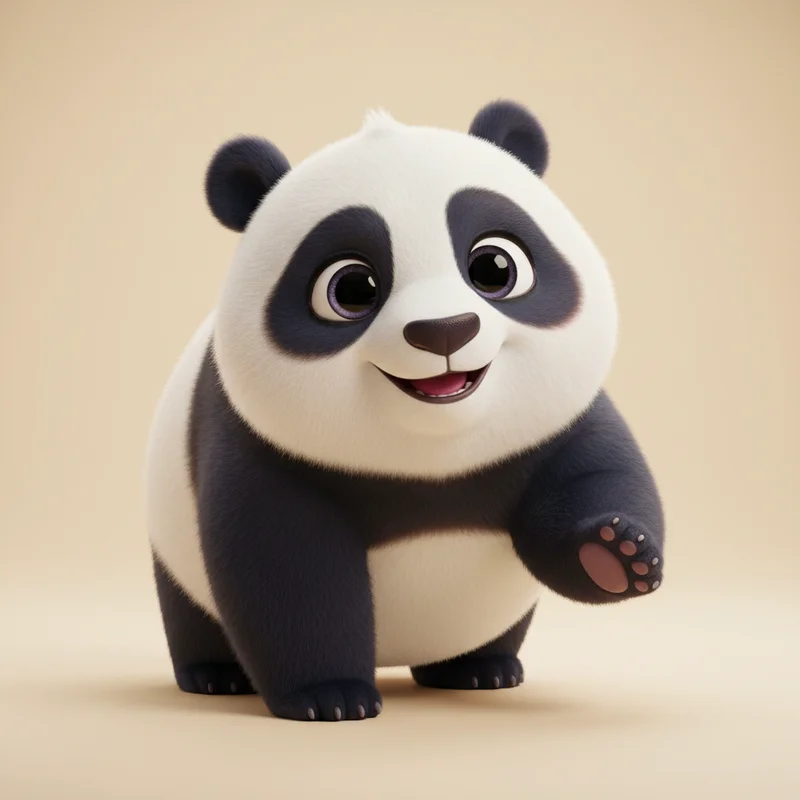
The panda's appearance is a masterclass in accidental branding. The black and white colouration, round face, and apparent clumsiness trigger human nurturing instincts with ruthless efficiency. The Institute for Cute Studies (Vienna) rates pandas at 9.4 on the universal adorability scale, exceeded only by certain baby animals and that one otter that stacks cups.
Pandas appear perpetually surprised, slightly confused, and vaguely apologetic. This combination proves irresistible to humans, who project emotions onto creatures primarily concerned with bamboo acquisition.
Pasta
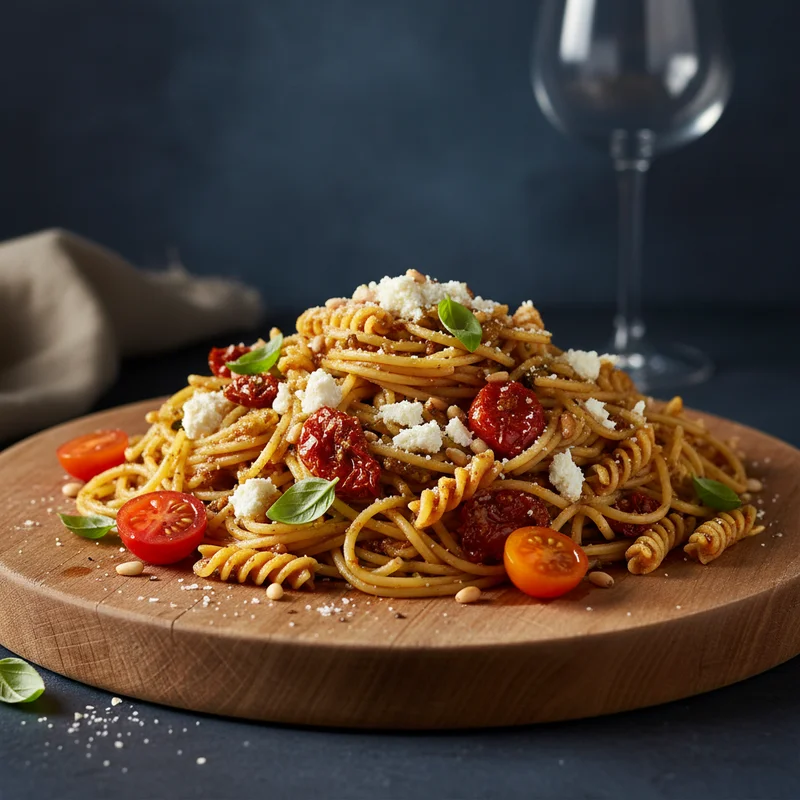
Pasta achieves beauty through geometric precision and infinite variety. From the elegant spirals of fusilli to the architectural curves of orecchiette, pasta shapes represent centuries of refined aesthetic development. The Milan Academy of Culinary Design has catalogued pasta as 'edible sculpture.'
However, pasta's aesthetic peak occurs when prepared: glistening with sauce, steam rising artfully, arranged on a white plate with studied casualness. It is performance art you can eat, though increasingly photographed rather than consumed.
VERDICT
In pure aesthetic terms, the panda's biological adorability edges out pasta's constructed beauty. Pasta requires preparation to achieve its visual potential; pandas arrive pre-assembled and ready for admiration. The panda wins this round by being professionally cute.