
Topic Battle

Where Everything Fights Everything

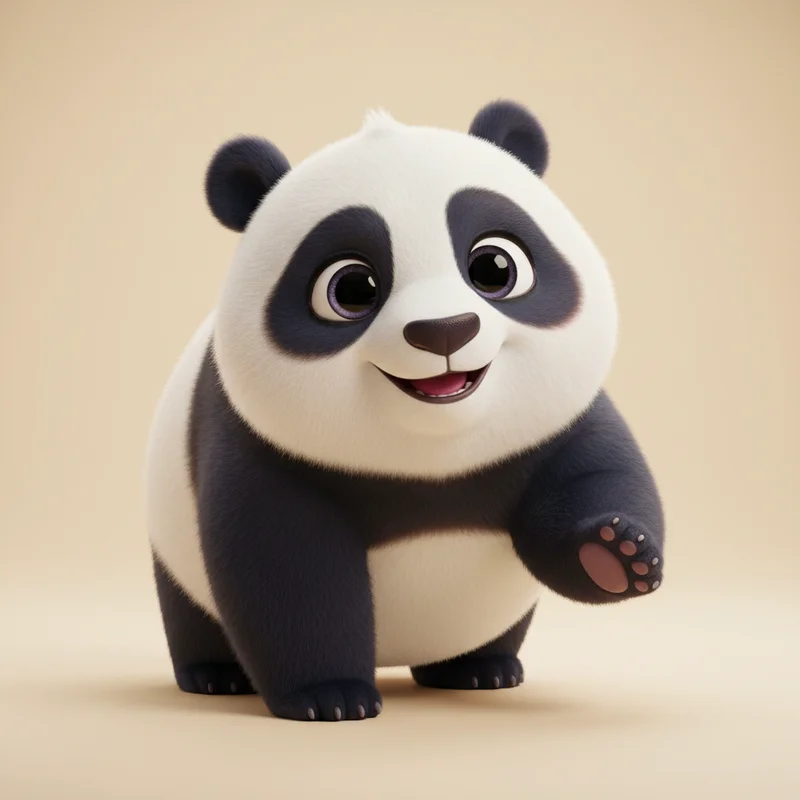
Panda

Panda

Beloved bamboo-eating bear from China, famous for black-and-white coloring and conservation symbolism.

VS
Procrastination

Procrastination

The art of doing everything except the one thing you should be doing. A universal human experience that has spawned more clean apartments, reorganized sock drawers, and Wikipedia deep dives than any productivity method ever could.

Battle Analysis

Stress impact panda Wins
70%
30%
Panda Procrastination

Panda

Pandas in captivity display remarkably low stress indicators, with cortisol levels significantly below those of comparable mammals. Their relaxed demeanour has made them favourites of zoo visitors worldwide, projecting an aura of contentment that borders on the philosophical.

The species' apparent indifference to existential concerns may represent an advanced form of psychological adaptation, or simply the natural consequence of spending 14 hours daily eating.

Procrastination

Procrastination is demonstrably linked to increased stress, anxiety, and depression. Studies indicate procrastinators report lower life satisfaction and higher rates of health problems, with the behaviour pattern correlating to elevated cardiovascular risk factors.

Far from providing relief, procrastination creates a compounding cycle of stress that accumulates interest like an emotional debt. The temporary comfort of avoidance extracts substantial long-term psychological costs.

VERDICT

Genuine tranquillity surpasses the anxiety-generating false comfort of task avoidance.
Energy efficiency panda Wins
70%
30%
Panda Procrastination

Panda

The panda's metabolic rate is remarkably low for a mammal of its size, burning approximately 38% fewer calories than expected. This adaptation allows survival on bamboo, which provides roughly 17 calories per gram compared to meat's substantial offerings.

Scientists have identified genetic mutations in the panda affecting thyroid hormone production, essentially engineering a creature designed for minimal energy expenditure. The panda does not conserve energy; it has made lethargy its biological imperative.

Procrastination

Procrastination, despite appearances, is not energetically efficient. Research demonstrates that chronic procrastinators experience elevated cortisol levels and increased anxiety, burning significant psychological resources whilst achieving nothing productive.

The phenomenon creates an illusion of energy conservation whilst actually depleting mental reserves through rumination and guilt. It is, in energetic terms, the equivalent of running on a treadmill whilst convincing oneself of rest.

VERDICT

Genuine biological adaptation to minimal energy expenditure defeats the false economy of avoidance.
Global recognition panda Wins
70%
30%
Panda Procrastination

Panda

The panda serves as the official symbol of the World Wildlife Fund, appearing on currency, national emblems, and diplomatic missions. China's panda diplomacy programme has distributed these animals to nations worldwide, making them among the most politically significant creatures on Earth.

Recognition rates exceed 97% globally, placing the panda alongside household names in the animal kingdom. Few creatures have achieved such brand penetration whilst contributing so little to their own survival.

Procrastination

Procrastination enjoys universal recognition, with studies indicating 88% of the workforce admitting to regular engagement with the phenomenon. It has spawned countless self-help books, productivity applications, and therapeutic interventions worth billions annually.

However, recognition here is predominantly negative. Unlike the panda, procrastination has failed to secure a single corporate sponsorship or appear on any national flag, despite its ubiquitous presence in human experience.

VERDICT

Positive global brand recognition and diplomatic currency surpass procrastination's infamous reputation.
Entertainment value procrastination Wins
30%
70%
Panda Procrastination

Panda

Panda content generates billions of views annually across social media platforms. Videos of pandas tumbling, sneezing, and failing to reproduce have created an entertainment industry rivalling that of major film franchises.

The species' apparent incompetence at basic survival tasks, combined with its visual distinctiveness, has made it the internet's preferred symbol of adorable futility. Entertainment value appears inversely proportional to practical capability.

Procrastination

Procrastination has inspired considerable cultural output, from Douglas Adams' celebrated deadline-missing to countless internet memes about tasks deferred. The shared experience of avoidance creates powerful social bonding opportunities.

However, the entertainment is predominantly retrospective; in the moment, procrastination provides distraction rather than genuine amusement. The phenomenon entertains observers more than participants, who typically report feelings of shame.

VERDICT

Procrastination's universal relatability creates broader cultural entertainment than species-specific charm.
Evolutionary success panda Wins
70%
30%
Panda Procrastination

Panda

The giant panda has survived for approximately 8 million years, despite making dietary choices that would bankrupt any sensible nutritional strategy. Subsisting almost entirely on bamboo, a food source providing minimal caloric return, the panda has transformed inefficiency into an evolutionary art form.

With only 1,864 individuals remaining in the wild as of recent surveys, the species has paradoxically become one of conservation's greatest success stories, attracting billions of dollars in global protection funding. Evolution, it seems, rewards persistence over efficiency.

Procrastination

Procrastination as a behavioural pattern has existed as long as humans have had tasks to avoid. Archaeological evidence suggests even ancient civilisations struggled with delayed action, with hieroglyphic records documenting workers postponing pyramid construction duties.

In evolutionary terms, procrastination may represent an adaptive response to resource conservation under uncertain conditions. However, unlike the panda, it has produced no charismatic megafauna worthy of conservation funding or plush merchandise.

VERDICT

Eight million years of survival through strategic inefficiency outranks any psychological adaptation.
👑

The Winner Is

Panda

54 - 46

In this scholarly examination of nature's most accomplished practitioners of inactivity, the giant panda emerges as the superior entity by a margin of 54 to 46 percent. The panda has achieved something procrastination never could: the transformation of apparent dysfunction into a globally celebrated survival strategy.

Where procrastination creates stress whilst promising relief, the panda delivers genuine tranquillity through biological adaptation. Where procrastination damages its hosts, the panda has converted its inefficiencies into international diplomatic currency and conservation funding streams worth billions.

Most significantly, the panda has survived 8 million years through strategies that logic suggests should have led to extinction. Procrastination, whilst persistent, has produced no such evolutionary achievement, merely a proliferation of self-help literature and productivity applications.

Panda
54%
Procrastination
46%

Share this battle

More Comparisons