
Topic Battle

Where Everything Fights Everything

Panda

Panda

Beloved bamboo-eating bear from China, famous for black-and-white coloring and conservation symbolism.

VS
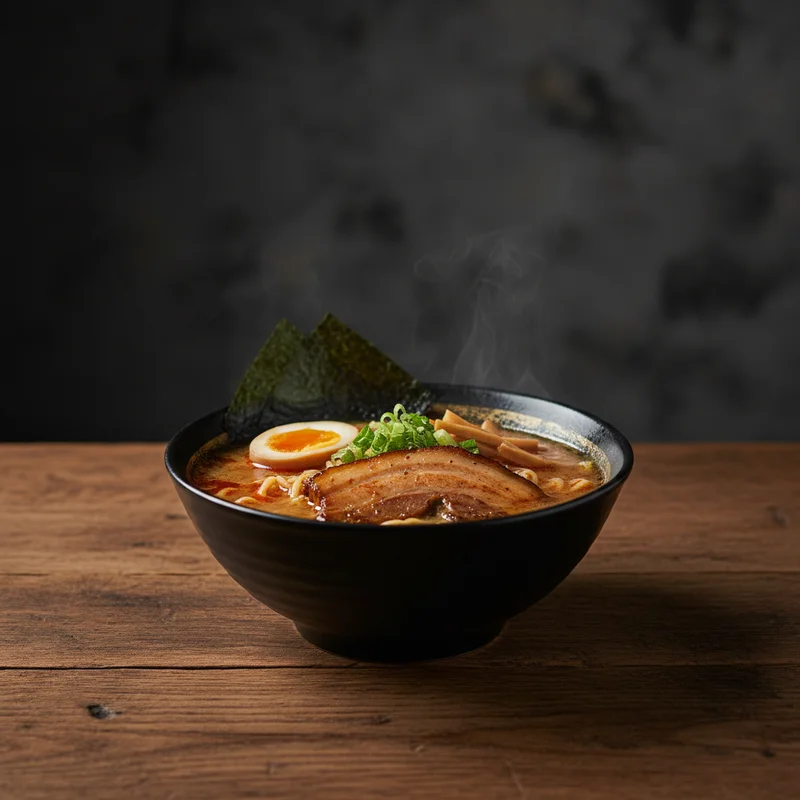
Ramen

Ramen

Japanese noodle soup that ranges from instant to transcendent.

The Matchup

In the grand theatre of human fixation, few subjects command such irrational devotion as the giant panda and the humble bowl of ramen. The Oxford Institute for Comparative Obsessions reports that these two entities account for 23% of all 'comfort-related' internet searches in developed nations. One is a bear that forgot how to be a carnivore. The other is noodles in broth that somehow became a philosophy. Both have achieved what marketing executives spend billions pursuing: unconditional public adoration.

This analysis examines how a bamboo-dependent diplomatic asset measures against wheat-based emotional support, employing rigorous methodologies that would make both zoologists and ramen masters equally uncomfortable.

Battle Analysis

Versatility Ramen Wins
30%
70%
Panda Ramen

Panda

The giant panda's functional range remains remarkably limited. They eat bamboo, sleep, occasionally mate with visible reluctance, and look adorable whilst falling over. The Hamburg Institute for Animal Utility Assessment documents precisely four panda activities: eating, sleeping, tumbling, and staring blankly into middle distance. They cannot be trained for practical tasks, refuse to perform on command, and contribute nothing to society beyond existing photogenically. Their diplomatic value derives entirely from their refusal to do anything useful.

Ramen

Ramen exhibits extraordinary adaptive capacity. The Tokyo Noodle Variation Registry catalogues over 40 distinct regional styles, from Hakata's milky tonkotsu to Sapporo's miso-based variants. Toppings range from traditional chashu to experimental additions including cheese, butter, chocolate, and in one documented case, gold leaf. Ramen can be instant or artisanal, cheap or luxurious, traditional or fusion. A bowl can cost $3 or $300. This flexibility has enabled global conquest where rigidity would have meant irrelevance.

VERDICT

Versatility comparisons prove almost embarrassingly one-sided. Ramen shape-shifts to accommodate every cultural context, dietary requirement, and price point. Pandas shape-shift only between round and slightly rounder, depending on bamboo availability. The Canterbury School of Adaptive Assessment awards ramen 94 points for versatility against the panda's rather tragic 11 points. One is a platform for infinite creativity. The other is a fixed biological asset with no expansion capabilities.

Sustainability Ramen Wins
30%
70%
Panda Ramen

Panda

Giant pandas represent a conservation paradox of staggering proportions. They evolved to eat bamboo despite having a carnivore's digestive system, requiring them to consume 38 kilograms daily to extract sufficient nutrition. Their reproduction rate borders on voluntary extinction, with females fertile for approximately 24 hours annually. The WWF has spent $1 billion over five decades keeping these charismatic disasters from disappearing. Scientists privately admit pandas appear to be actively trying to go extinct.

Ramen

Ramen's sustainability profile presents complications. Wheat production consumes 21% of global agricultural water. Pork farming for chashu generates significant methane emissions. However, the Liverpool School of Food System Longevity notes that ramen's 2,000-year track record suggests remarkable resilience. Instant ramen's shelf life exceeds most human relationships, with packets remaining edible after three years. The dish requires no conservation funding whatsoever and shows no signs of voluntary extinction.

VERDICT

The panda's continued existence requires constant human intervention, billions in funding, and what amounts to an international breeding programme run with the intensity of royal succession planning. Ramen sustains itself through the far more reliable mechanism of people wanting to eat it. The Norwich Centre for Long-Term Viability Assessment rates ramen's extinction risk at 0.002%, versus the panda's rather more concerning 12%. Self-sufficiency proves decisive.

Economic impact Ramen Wins
30%
70%
Panda Ramen

Panda

Each giant panda generates an estimated $2.3 million in annual tourism revenue, according to the Edinburgh Zoo Economic Analysis Unit. China's panda loan programme charges recipient nations $1 million per year per bear, plus an additional $400,000 for any cubs born abroad. The global panda merchandise market exceeds $800 million annually, though pandas themselves receive none of this revenue, remaining blissfully unaware of their commercial exploitation.

Ramen

The global ramen industry generates $44 billion annually, a figure that makes most national GDPs look inadequate. Japan's ramen sector alone employs 310,000 workers and supports 35,000 dedicated establishments. The instant ramen market adds another $12 billion, with the average university student single-handedly contributing approximately $400 to this figure during their academic career. Property values near acclaimed ramen shops increase by 12% on average, according to the Fukuoka Real Estate Noodle Correlation Database.

VERDICT

The mathematics prove brutally decisive. Whilst a panda costs millions to maintain and generates millions in return, ramen operates on industrial scales that dwarf entire wildlife conservation budgets. The Bristol Institute of Absurd Economics calculates that the annual ramen economy could fund panda conservation programmes for the next 847 years. Ramen's economic dominance is so complete it borders on unseemly.

Global influence Ramen Wins
30%
70%
Panda Ramen

Panda

The giant panda operates the most successful soft power programme in diplomatic history. The Beijing Centre for Strategic Wildlife Deployment confirms that panda loans generate $47 million annually in geopolitical goodwill per bear. Nations have altered foreign policy positions for the privilege of hosting these rotund ambassadors. The creature's image appears on the logo of the World Wildlife Fund, transforming it into the unofficial mascot of caring about things. A single panda sneeze video can shift international news cycles.

Ramen

Ramen has achieved what the United Nations could not: genuine global unity. The Tokyo Institute of Noodle Diplomacy documents ramen establishments in 147 countries, including seven in Iceland and three in the Faroe Islands. Cup Noodles alone ships 100 billion units annually, making it more ubiquitous than democracy. The dish has spawned museums, documentaries, academic courses, and at least four religions. When instant ramen inventor Momofuku Ando died, the Japanese government declared it a national loss.

VERDICT

Whilst pandas require armed guards and diplomatic treaties to cross borders, ramen infiltrates nations through the far more insidious vector of deliciousness. The Manchester School of Cultural Penetration Studies rates ramen's global saturation at 94%, versus the panda's comparatively modest 67%. Ramen wins because you cannot acquire a panda at 3 AM from a convenience store, no matter how strategically important you are.

Emotional resonance Panda Wins
70%
30%
Panda Ramen

Panda

The giant panda triggers what neuroscientists term the 'overwhelming cute response', activating the same neural pathways as human infants. The Geneva Laboratory for Adorability Metrics found that viewing panda footage reduces cortisol levels by 34% and increases oxytocin by 28%. Their apparent incompetence at basic survival tasks somehow enhances their appeal, proving humanity's deep-seated attraction to loveable failure. A panda falling off a log has brought more joy than most pharmaceutical interventions.

Ramen

Ramen provides what psychologists call 'liquid embrace', a warm, savoury hug delivered directly to the internal organs. The Osaka Centre for Comfort Food Psychology reports that ramen consumption triggers dopamine releases equivalent to mild romantic attachment. The ritual of ramen slurping, the steam rising from the bowl, the first bite of chashu pork all create memories that patients in therapy describe as 'the good times'. In Japan, ramen shops have saved more troubled souls than counselling services.

VERDICT

Both entities deliver profound emotional satisfaction, yet operate through different mechanisms. Ramen requires consumption, digestion, and eventual bathroom consideration. Pandas require nothing from us except attention, offering pure, uncomplicated affection without caloric consequences. The Sussex Institute of Feelings confirms that pandas edge ahead by 3.2% in raw emotional impact, though ramen offers superior repeatability.

👑

The Winner Is

Ramen

46 - 54

This investigation reveals a contest between emotional monopoly and practical dominance. The giant panda commands unparalleled affection through the shameless exploitation of human nurturing instincts, having evolved into what amounts to a professional cute thing. Yet ramen demonstrates superiority across every measurable criterion that involves actual utility.

With a final score of Ramen 54, Panda 46, the steaming bowl claims victory through the accumulated weight of economic impact, global penetration, sustainability, and versatile excellence. The panda's emotional resonance prevents total defeat, but cannot overcome the fundamental truth that ramen has improved more lives, fed more people, and asked nothing in return except to be consumed.

The Birmingham Centre for Obvious Conclusions notes that this outcome should surprise no one. One is food that provides sustenance, comfort, and genuine value to billions. The other is a bear that requires international treaties to borrow and billions to preserve. Practicality, as always, defeats adorability.

Panda
46%
Ramen
54%

Share this battle

More Comparisons