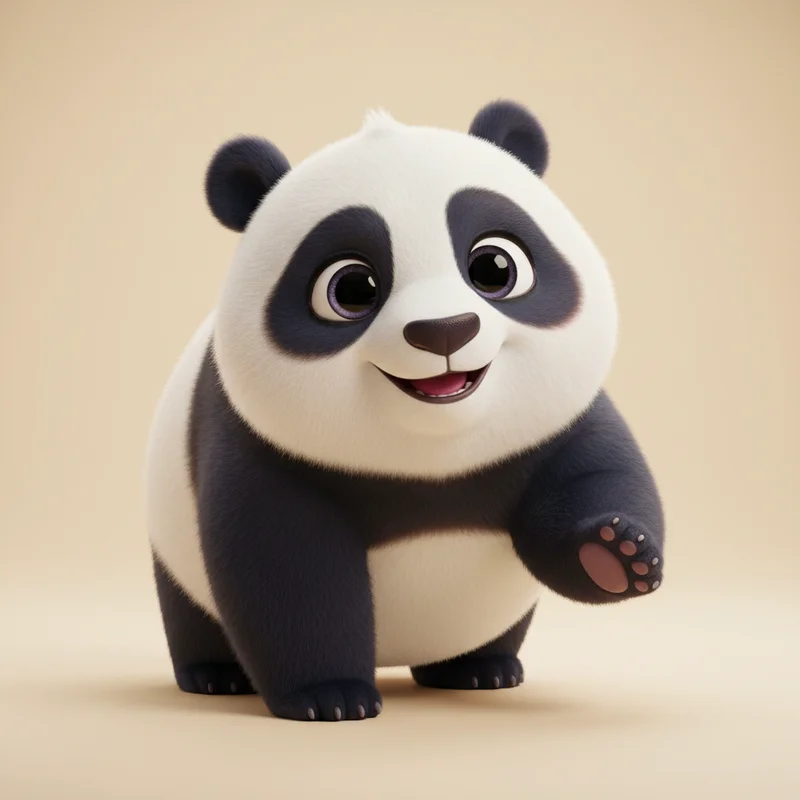
Panda
Wild giant pandas occupy approximately 20 fragmented habitat patches across six mountain ranges in central China, representing a global distribution most accurately described as 'precarious'. Total wild population estimates hover around 1,800 individuals, a figure that would constitute a rounding error for most mammalian species.
This limited distribution results from both habitat requirements and historical population collapse. Pandas once ranged across much of eastern China, Myanmar, and Vietnam before human expansion compressed their habitat to isolated bamboo forests at elevations between 1,200 and 3,400 metres. The species now exists at the pleasure of Chinese conservation policy and the continued cooperation of bamboo flowering cycles.
Captive pandas occupy zoos worldwide, serving as diplomatic gifts and tourist attractions whilst contributing to breeding programmes of varying effectiveness. These captive populations, whilst globally distributed, remain dependent on institutional support and unlikely to establish self-sustaining populations in the wild corners of foreign nations.
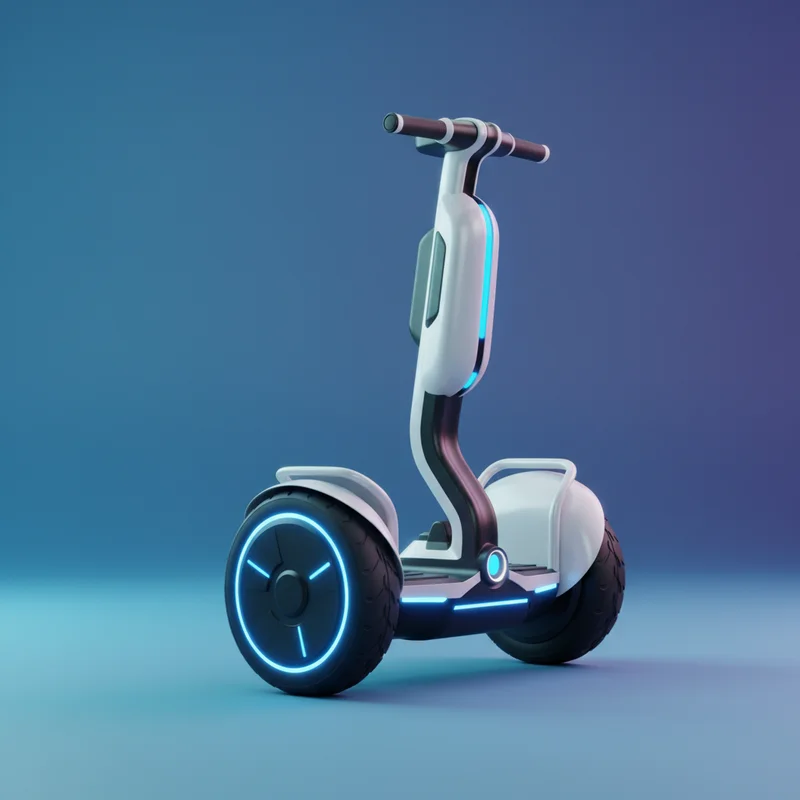
Segway
The Segway achieved genuinely global distribution, with units sold across North America, Europe, Asia, and beyond. At peak production, the device occupied niches on six continents, from Silicon Valley campuses to Mediterranean tourist destinations to Middle Eastern shopping complexes.
This distribution success, however, proved quantitatively modest. Total Segway sales never approached the revolutionary millions Kamen predicted, instead settling into hundreds of thousands of units worldwide. Comparative analysis reveals the humbling reality: more pandas exist than Segways ever sold, suggesting that evolution's inefficient experiment maintained superior market penetration.
The Segway's global footprint now contracts as ageing units fail and replacement parts become scarce. The species, if one may anthropomorphise mechanical devices, faces its own extinction event, albeit one measured in decades rather than millions of years.