Panda
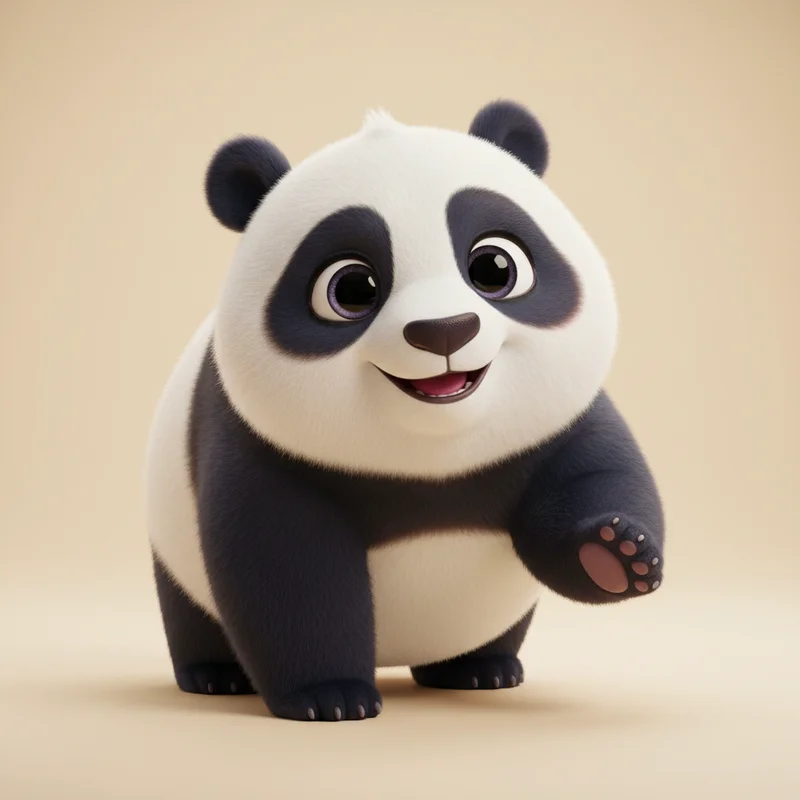
The giant panda demonstrates remarkable durability as a species, having survived ice ages, habitat fragmentation, and humanity's initial indifference to its extinction trajectory. Individual pandas can live 20-30 years in captivity, with wild specimens typically surviving 15-20 years when undisturbed. Their digestive systems, whilst inefficient, have sustained the species through millions of years of dietary specialisation. The panda's greatest vulnerability lies not in physical fragility but in reproductive reluctance—females remain fertile for merely 24-72 hours annually, creating a biological bottleneck that nearly proved fatal to the species.
Conservation efforts have demonstrated that pandas, given adequate protection, possess sufficient evolutionary resilience to recover from near-extinction. The species' ability to withstand both natural pressures and human interference speaks to an underlying robustness that belies its clumsy appearance.
Smart Watch
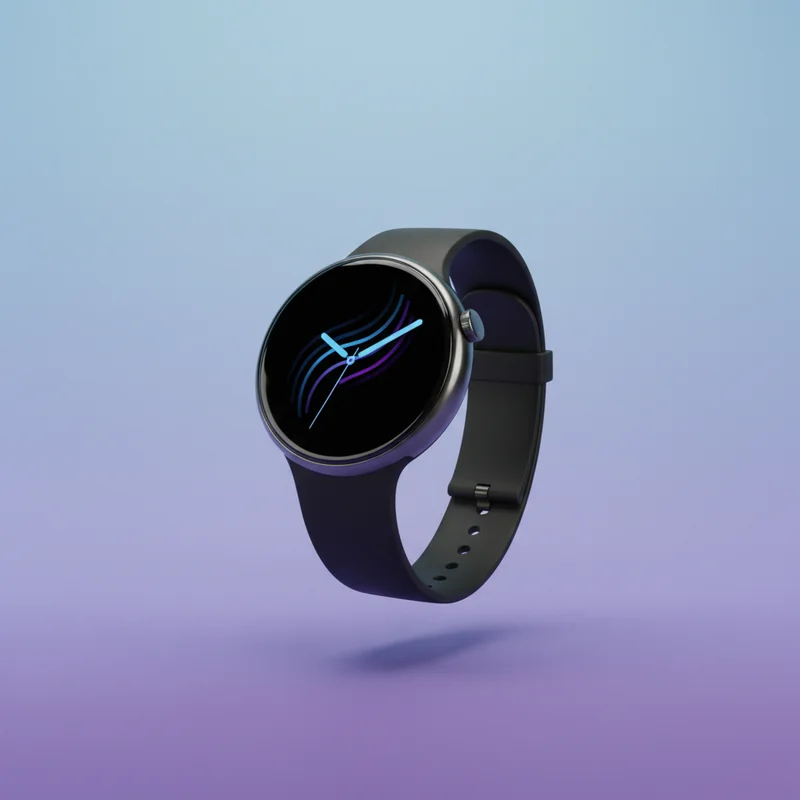
The modern smart watch exhibits durability measured in years rather than decades. Premium models from manufacturers such as Apple and Samsung typically maintain functionality for 3-5 years before battery degradation, software obsolescence, or physical wear necessitates replacement. Water resistance ratings of 50 metres and scratch-resistant sapphire crystal provide protection against daily hazards. Some models incorporate titanium casings capable of withstanding significant impact.
However, the smart watch exists within a planned obsolescence ecosystem. Software updates gradually degrade performance on older hardware, whilst battery capacity diminishes with each charge cycle. The average smart watch will become functionally obsolete within half a decade, consigned to the growing category of electronic waste that now exceeds 50 million tonnes annually.