
Panda
The economics of pandas are, frankly, absurd. A single panda consumes up to 38 kilograms of bamboo daily, requiring vast forest reserves and specialised care facilities. The cost of maintaining a panda in captivity exceeds half a million pounds annually, not including the rental fees paid to China. Edinburgh Zoo reportedly pays over 850,000 pounds yearly for the privilege of housing two pandas.
However, the return on investment is substantial. Panda-hosting zoos report attendance increases of 50-100%, with associated merchandise sales, restaurant revenues, and membership subscriptions. The Bristol School of Animal Economics calculates that a healthy panda generates approximately four million pounds in annual economic activity for its host city.
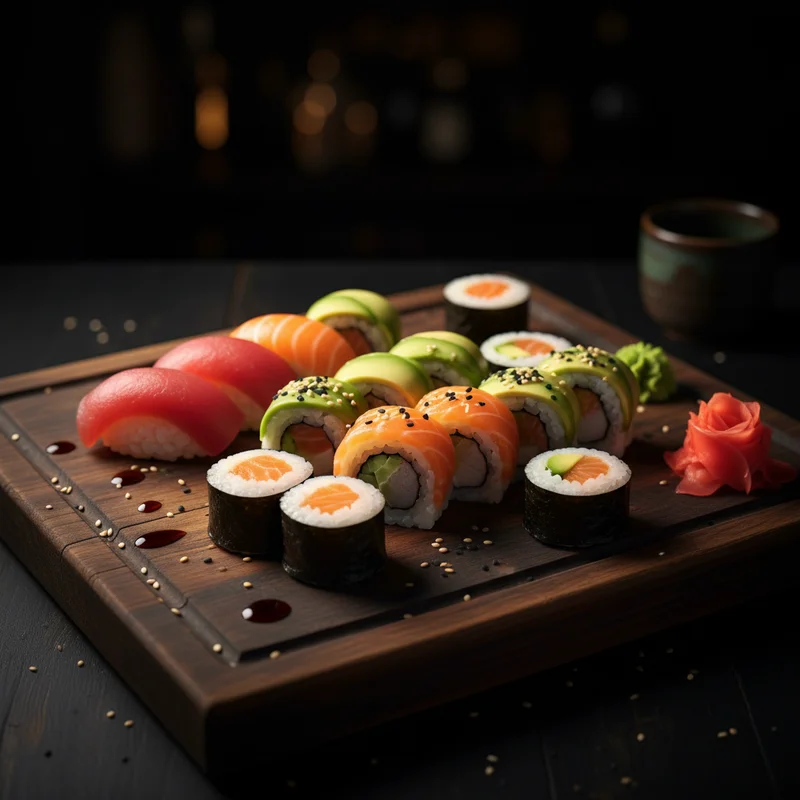
Sushi
The sushi industry operates on an entirely different scale. Global revenues exceed twenty-three billion pounds, supporting millions of jobs from Japanese fish markets to Norwegian salmon farms to wasabi growers in the English countryside (yes, this exists). The bluefin tuna trade alone represents a multi-billion-pound market, with single fish occasionally selling for over two million pounds at Tokyo's Tsukiji auction.
Sushi's economic efficiency is remarkable. A skilled chef can prepare hundreds of pieces per hour, each commanding prices from two to two hundred pounds depending on establishment and ingredients. The Institute of Culinary Commerce notes that sushi achieves 'possibly the highest value-to-ingredient-weight ratio in global gastronomy.'
VERDICT
This comparison is almost unfair. While pandas generate impressive localised economic activity, sushi operates as a global industry touching every continent's economy. The fish, rice, seaweed, and wasabi supply chains alone employ more people than the entire panda conservation workforce. From a pure economic standpoint, sushi wins by approximately twenty-three billion pounds.