Topic Battle

Where Everything Fights Everything

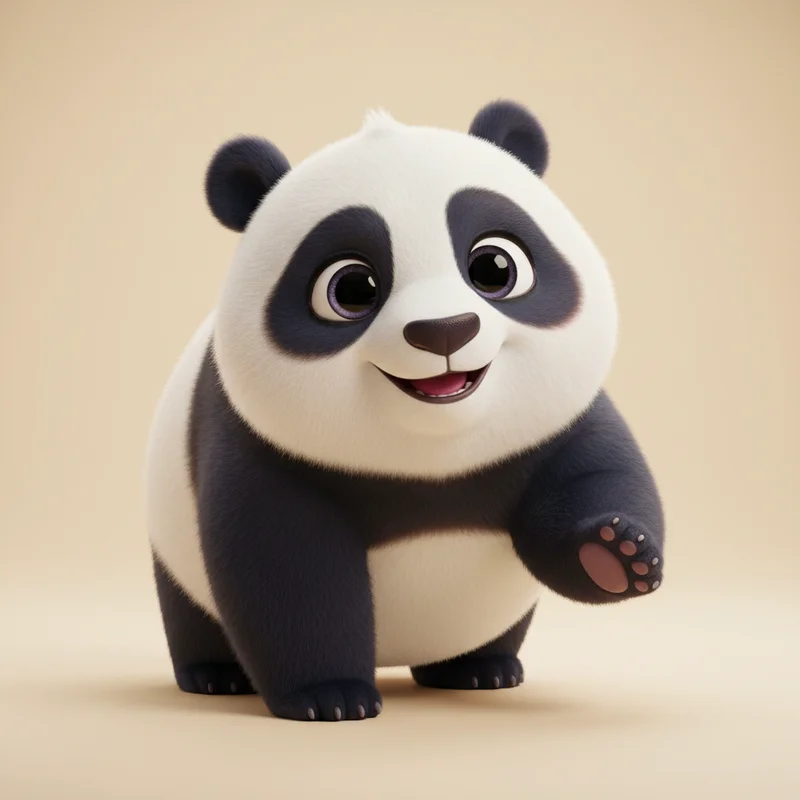
Panda

Panda

Beloved bamboo-eating bear from China, famous for black-and-white coloring and conservation symbolism.

VS
Tesla

Tesla

Electric vehicle manufacturer disrupting the automotive industry.

Battle Analysis

Longevity Panda Wins
70%
30%
Panda Tesla

Panda

The giant panda has survived for approximately 2 million years, outlasting ice ages, continental shifts, and the extinction of countless competitors. This persistence is especially remarkable given the species' apparent determination to self-eliminate through dietary restrictions, reproductive reluctance, and general incompatibility with survival. The panda exists today largely because humanity has invested heavily in preventing the extinction that natural selection seemed to be engineering. Conservation status has improved from Endangered to Vulnerable, suggesting the species has a future, albeit one requiring continuous human subsidy.

The panda's longevity extends beyond biological survival to cultural persistence. Cave paintings suggest human fascination with the species predates written history. The bear's symbolic importance—to China, to conservation, to cuteness itself—ensures it will remain culturally relevant regardless of population numbers.

Tesla

VERDICT

Two million years of biological survival versus sixty years of technological iteration presents no contest. The panda has already demonstrated longevity; virtual reality remains in the process of attempting to prove it. Evolution, however inefficient, has credentials that consumer electronics cannot match.

Accessibility Virtual Reality Wins
30%
70%
Panda Tesla

Panda

Accessing a panda requires either geographical fortune or deliberate pilgrimage. Approximately 600 pandas exist in captivity globally, distributed across fewer than 60 institutions outside mainland China. The species' homeland reserves, whilst ecologically significant, do not offer the casual visitor reliable sightings. Queue times at popular panda exhibits routinely exceed ninety minutes. The creature itself may be asleep, hidden, or simply disinclined to face its audience during one's allocated viewing window. The panda does not accommodate human schedules; humans accommodate panda indifference.

International panda loans, when they occur, transform host cities into sites of temporary pilgrimage. Edinburgh's acquisition produced queues measured in hours. Washington's recent loss prompted genuine public mourning. The panda's scarcity, whether natural or cultivated, renders access a privilege rather than a right.

Tesla

VERDICT

The mathematics are unambiguous. Virtual reality can be accessed by anyone with a few hundred pounds and a power outlet. Panda access requires travel budgets, timing coordination, and acceptance that the experience may consist primarily of viewing bamboo debris and a furry posterior. Availability defeats scarcity in any accessibility evaluation.

Economic value Virtual Reality Wins
30%
70%
Panda Tesla

Panda

The panda's economic footprint defies conventional analysis. A breeding pair on international loan generates approximately one million dollars annually in fees before accounting for increased zoo attendance, merchandise revenue, and the incalculable value of association with conservation efforts. Host institutions report visitor increases of 30-50% following panda acquisitions. The creature does nothing to earn this premium—it eats, sleeps, and occasionally allows itself to be photographed—yet commands appearance fees exceeding those of most human celebrities.

The broader panda economy encompasses tourism to China's reserves, the global market for panda-themed merchandise, and the conservation industry built around the species' preservation. Conservative estimates place annual panda-related economic activity above 2 billion dollars globally. For an animal whose primary skill involves sitting, this represents remarkable return on evolutionary investment.

Tesla

VERDICT

The panda generates billions from passive existence; virtual reality generates tens of billions from active investment and growing applications. In pure economic terms, a 27-billion-dollar industry defeats a 2-billion-dollar phenomenon, even accounting for the panda's superior efficiency in converting lethargy to revenue.

Emotional impact Panda Wins
70%
30%
Panda Tesla

Panda

The panda triggers what researchers term kinderschema—the neurological response to infant-like features that compels protective behaviour. Those disproportionately large eyes, the rounded form, the apparent helplessness of a creature that has chosen to subsist exclusively on nutritionally inadequate plant matter: all conspire to produce an emotional response that bypasses rational evaluation entirely. Humans do not decide to find pandas adorable; the response is involuntary, coded into our neurology by millions of years of evolutionary pressure to protect vulnerable young.

The emotional impact persists beyond the encounter. Panda imagery continues to generate positive affect in controlled studies. The WWF's logo choice was not arbitrary; it was psychological warfare deployed in service of conservation. The panda has weaponised cuteness with efficiency that military strategists might envy.

Tesla

VERDICT

Virtual reality offers emotional breadth; the panda offers emotional depth. In this contest, authentic neurological hijacking defeats manufactured sentiment. One can remove a VR headset and return to equilibrium. The panda's emotional impact persists, encoded in merchandise purchases and WWF donations for years afterward.

Immersive experience Virtual Reality Wins
30%
70%
Panda Tesla

Panda

The panda offers what marketing professionals would term an 'authentic encounter'. Visitors to panda enclosures report emotional responses ranging from profound joy to mild disappointment, the latter occurring when the animal in question has decided that sleeping with its back to the viewing public constitutes acceptable engagement. The experience is fundamentally passive: one watches; the panda exists, barely. There is no interaction, no narrative arc, merely the confirmed sighting of a creature whose primary activity involves consuming 38 kilograms of bamboo daily whilst appearing vaguely melancholic about the necessity.

The authenticity is undeniable. One has genuinely seen a panda. The glass barrier, the gift shop, the crowds of other pilgrims—all confirm the reality of the experience. Yet 'authentic' and 'immersive' are not synonyms. The panda does not draw you into its world; it merely allows you to observe its world through a window, typically whilst it faces the other direction.

Tesla

VERDICT

The panda offers authenticity at the cost of engagement. Virtual reality offers engagement at the cost of authenticity. In the contest for immersion, the technology that surrounds you defeats the animal that ignores you. One experience envelops; the other merely tolerates observation.

👑

The Winner Is

Tesla

45 - 55

The analysis concludes with Virtual Reality claiming a narrow victory at 55 points to the panda's 45. This margin, slim as it appears, obscures the fundamental differences between our competitors. Virtual reality wins on metrics of accessibility, immersion, and economic scale—measurements that favour technology's replicability over nature's scarcity. The panda prevails in emotional impact and longevity, categories where authenticity and persistence matter more than availability.

The result raises uncomfortable questions about human values. We have declared a technology that makes people nauseous superior to an animal that makes people weep with joy. We have valued a market cap over two million years of evolutionary survival. We have chosen the promise of future ubiquity over the proven persistence of living cuteness. Whether this reflects wisdom or madness depends entirely on which metrics one considers meaningful.

Both competitors share a curious quality: they have each convinced humanity to invest far more than rational analysis would suggest prudent. We queue for hours to see bears that may be sleeping. We purchase headsets for experiences we use once. Both panda and VR have discovered the same truth: human decision-making, when confronted with sufficient novelty or sufficient adorability, abandons reason entirely.

Panda
45%
Tesla
55%

Share this battle

More Comparisons