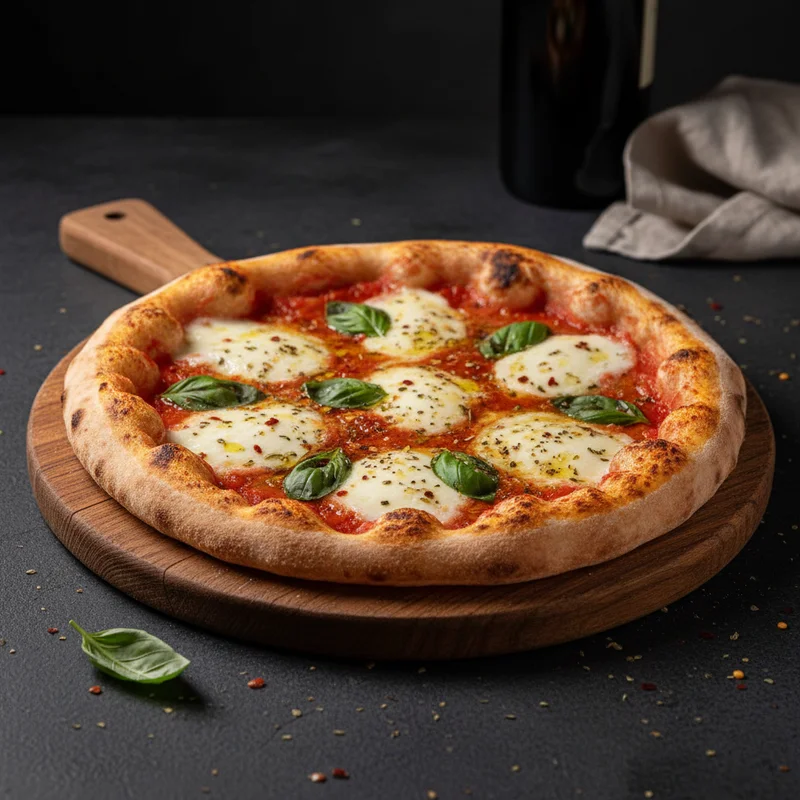

Pizza
The accessibility of pizza represents one of humanity's great democratic achievements. In developed nations, pizza can typically be obtained within thirty minutes at any hour, delivered directly to one's domicile by an increasingly sophisticated network of cyclists, drivers, and soon, autonomous vehicles. The price point spans from institutional cafeteria slices at minimal cost to artisanal Neapolitan creations commanding premium prices.
Furthermore, pizza has achieved remarkable home-production accessibility. Frozen varieties occupy dedicated freezer sections in supermarkets worldwide. Home ovens, once deemed inadequate, now include pizza-specific settings. The ingredients themselves remain broadly available, enabling even novice cooks to produce passable results. This multi-tiered accessibility ensures that pizza remains within reach of virtually all economic strata in developed societies.
Area 51
Area 51 represents the polar opposite of accessibility. The installation is surrounded by motion sensors, armed guards, and warning signs promising lethal force against trespassers. Overhead surveillance monitors approach from miles distant. The airspace above is restricted, enforced by the United States Air Force. Even photographing the facility from public land has historically resulted in detention and interrogation.
This inaccessibility extends beyond physical barriers. Freedom of Information Act requests regarding Area 51 routinely return entirely redacted documents. Former employees remain bound by secrecy agreements that persist beyond death. The Nevada desert location itself presents natural barriers: extreme temperatures, venomous wildlife, and terrain hostile to casual visitation. The site exists specifically to be unreachable.