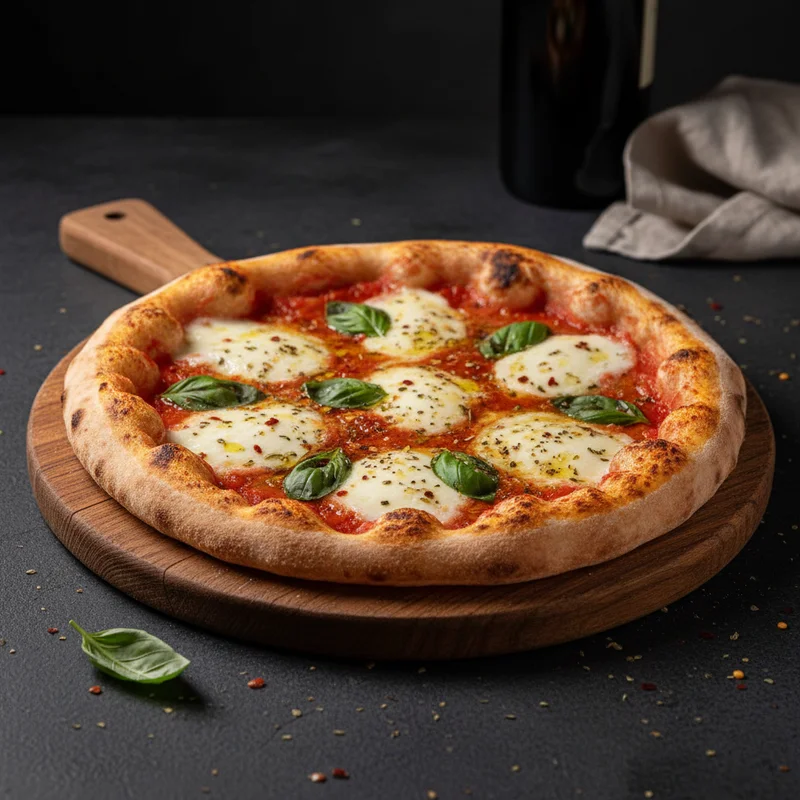
Pizza
The pizza's adaptability represents an evolutionary triumph that would fascinate Darwin himself. From its Neapolitan origins, the format has undergone radical mutation whilst retaining essential identity. American interpretations produced deep-dish and New York styles. Japanese innovations introduced mayonnaise and corn. Brazilian variations feature green peas. Swedish pizza incorporates banana curry. Each adaptation, however improbable, somehow retains recognisability as pizza.
The pizza adapts to economic conditions, scaling from Michelin-starred establishments to one-dollar slices without losing fundamental appeal. It adapts to dietary trends, embracing cauliflower crusts and plant-based toppings whilst maintaining structural integrity. This capacity for endless reinvention whilst preserving core identity represents adaptability raised to art form.
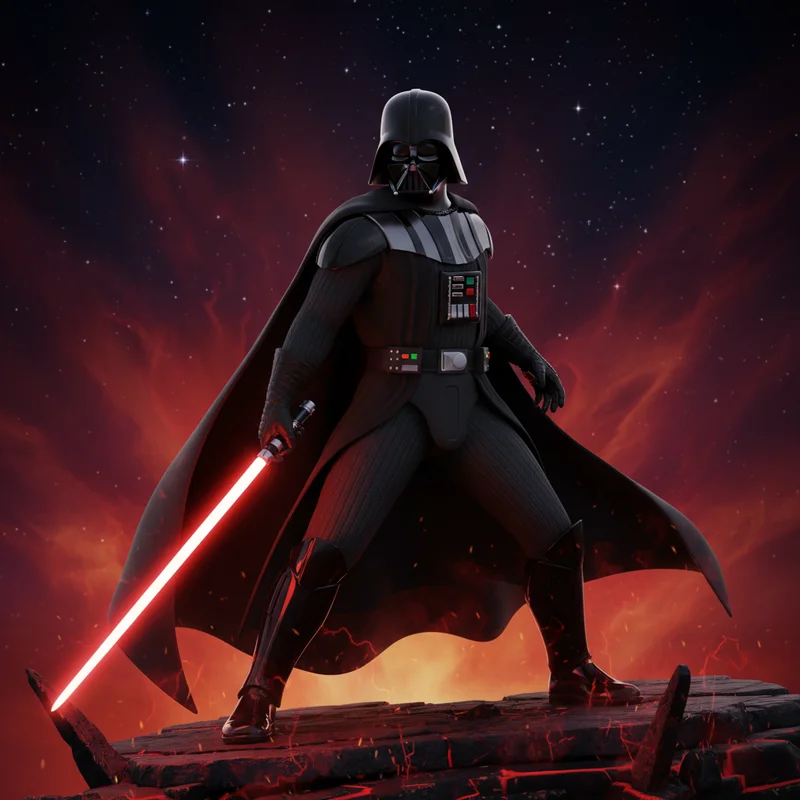
Darth Vader
Darth Vader's adaptability, whilst impressive within entertainment contexts, operates under significant constraints. The character has appeared across multiple media: films, television series, video games, novels, and theme park attractions. Each appearance requires careful management of established characterisation to avoid audience rejection. The Vader of 1977 differs subtly from the Vader of 2023, yet both must remain recognisably consistent.
Attempts at substantial adaptation risk franchise damage. The character cannot deviate significantly from established parameters without alienating invested audiences. Where pizza welcomes innovation, Vader requires conservation. His adaptability is reactive rather than generative, constrained by decades of accumulated expectation and intellectual property protection.