Where Everything Fights Everything

Pizza vs Hot Dog

😜 Just for fun — a tongue-in-cheek, gloriously unscientific showdown.

Pizza

Pizza

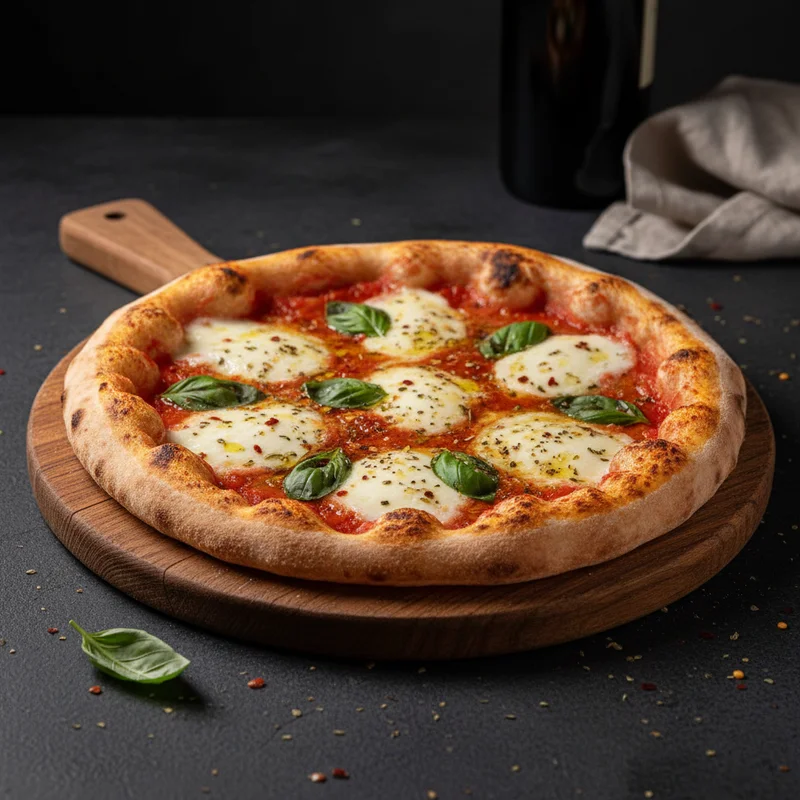
A flat disc of bread that convinced the world that putting everything on top of something is a legitimate cuisine. Somehow both a $1 slice and a $40 artisanal experience, depending on how seriously you take yourself.

VS
Hot Dog

Hot Dog

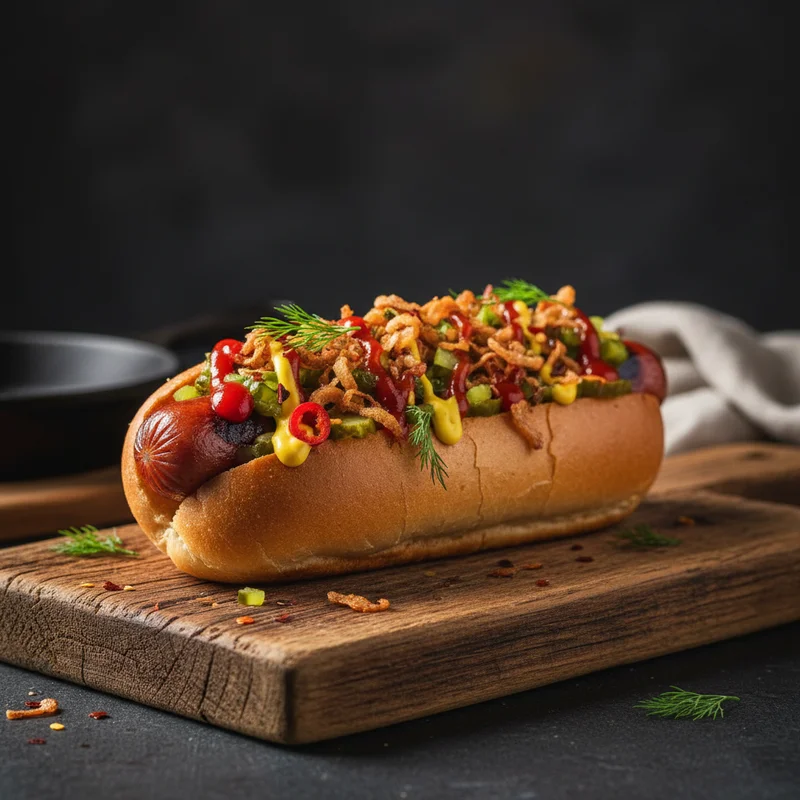
Mystery meat in a bun, ballpark essential.

Battle Analysis

Adaptability Pizza Wins
🏆 Pizza takes this round

Pizza

The pizza's capacity for reinvention borders on the extraordinary. Its fundamental architecture, a dough base accepting virtually unlimited topping permutations, has enabled adaptation to every dietary requirement and cultural preference imaginable. Vegetarian, vegan, carnivore, pescatarian: the pizza accommodates all without compromising its essential identity. The platform has expanded to include dessert variations, breakfast interpretations, and fusion experiments that would have astounded its Neapolitan ancestors. From Swedish banana curry pizza to Japanese mayonnaise-and-corn iterations, the format demonstrates a plasticity that ensures continued relevance. The pizza has even transcended its own category, inspiring pizza-flavoured crisps, biscuits, and frozen novelties.

Hot Dog

The hot dog possesses admirable adaptability within a more constrained parameter set. Regional variations demonstrate considerable creativity: the Chicago dog with its ceremonial seven toppings, the chilli-smothered Coney Island variety, the bacon-wrapped Sonoran interpretation. The fundamental structure, however, imposes certain limitations. The sausage remains the immutable centre, and whilst one may experiment with turkey, chicken, or plant-based alternatives, the essential form factor persists. The bun, too, offers limited variation. This is not necessarily a weakness; rather, it represents a different evolutionary strategy, one of refinement within established parameters rather than radical reinvention.

VERDICT

Pizza's platform architecture permits virtually unlimited adaptation, whilst the hot dog's structure constrains innovation.
Accessibility Hot Dog Wins
🏆 Hot Dog takes this round

Pizza

Pizza achieves remarkable accessibility across economic strata. A single slice costs as little as one dollar in many urban centres, yet the format scales effortlessly to gourmet interpretations commanding fifty dollars or more. The frozen pizza democratised home consumption, requiring only basic heating apparatus. Fresh pizza requires somewhat more infrastructure, but the global proliferation of pizzerias ensures that most urban dwellers reside within delivery range. The pizza also accommodates dietary restrictions with relative grace, with gluten-free crusts and dairy-free cheeses now widely available, though admittedly not always to the satisfaction of purists.

Hot Dog

The hot dog claims certain accessibility advantages of its own. Its remarkably low price point, particularly at sporting venues and street carts, makes it among the most affordable prepared foods available. The hot dog requires minimal equipment for home preparation: a pot of boiling water or a basic grill suffices. Storage proves straightforward, with packaged hot dogs maintaining viability for extended periods under refrigeration. However, the reliance on processed meat creates barriers for vegetarians, though plant-based alternatives have begun addressing this limitation. The hot dog's accessibility is thus primarily economic rather than dietary.

VERDICT

The hot dog's lower price point and simpler preparation requirements give it an edge in pure accessibility.
Daily utility Pizza Wins
🏆 Pizza takes this round

Pizza

The pizza serves humanity across all dayparts with remarkable efficacy. Cold leftover pizza has achieved status as an acceptable breakfast item, a practice so widespread that some establishments now actively market breakfast pizzas. Lunch sees pizza deployed in individual slices, an innovation that democratised access and reduced commitment. Dinner remains the pizza's primary theatre of operation, where it functions as centrepiece for family gatherings, casual dates, and solitary comfort consumption alike. The delivery infrastructure surrounding pizza has itself spawned technological innovation, with pizza tracking apps representing an early triumph of real-time consumer logistics.

Hot Dog

The hot dog occupies a more specialised niche in daily utility. Its natural habitat remains the sporting event, the summer barbecue, and the street corner cart. Breakfast hot dogs exist but remain a minority practice. The hot dog excels in situations requiring rapid consumption without utensils, making it the superior choice for eating whilst walking or attending to other activities. However, this very specialisation limits its deployment across the full spectrum of daily dining occasions. One does not typically order hot dogs for a romantic dinner or a family celebration, whereas pizza regularly serves both functions.

VERDICT

Pizza serves all dayparts and occasions effectively, whilst the hot dog remains confined to specific contexts.
Global recognition Pizza Wins
🏆 Pizza takes this round

Pizza

The pizza has achieved what few food items dare to dream: genuine planetary ubiquity. From the cobblestone streets of Naples to the neon-lit avenues of Tokyo, from the bustling markets of Mumbai to the quiet suburbs of Melbourne, the pizza has established colonies on every inhabited continent. The UNESCO recognition of Neapolitan pizza-making as Intangible Cultural Heritage in 2017 cemented its status as more than mere sustenance. Pizza restaurants now number in the hundreds of thousands globally, with the concept requiring no translation. The word 'pizza' itself has been absorbed into virtually every language on Earth, a linguistic conquest matched by few other nouns.

Hot Dog

The hot dog's global footprint, whilst substantial, remains concentrated in specific geographical and cultural zones. Its empire centres on North America, Germany, and Scandinavia, with outposts in Japan and Australia. The hot dog suffers from a branding fragmentation that has hindered its expansion: it is the 'frankfurter' in some regions, the 'wiener' in others, and various local names elsewhere. This identity crisis has prevented the unified global presence enjoyed by its circular competitor. Nevertheless, in its core territories, the hot dog commands fierce loyalty, particularly in the context of sporting events and summer gatherings, where it remains the undisputed monarch of stadium catering.

VERDICT

Pizza has achieved genuine global ubiquity with UNESCO recognition, whilst the hot dog remains regionally concentrated.
Historical significance Pizza Wins
🏆 Pizza takes this round

Pizza

The pizza's origins trace to the ancient Mediterranean practice of topping flatbreads, though the modern incarnation emerged in 18th-century Naples as sustenance for the urban poor. The legendary visit of Queen Margherita in 1889, which allegedly inspired the patriotic tricolour pizza bearing her name, represents a pivotal moment when peasant food achieved royal endorsement. The mass Italian emigration of the late 19th and early 20th centuries transported the pizza to the Americas, where post-World War II prosperity transformed it from ethnic curiosity to national obsession. By the 1950s, pizza had become emblematic of American casual dining, a status it has never relinquished.

Hot Dog

The hot dog's history, whilst less ancient, proves equally fascinating as a study in immigrant entrepreneurship and cultural fusion. German immigrants introduced the frankfurter to American shores in the 1860s, and by the 1870s, street vendors had paired it with bread for portability. The 1893 World's Columbian Exposition in Chicago and the 1904 St. Louis World's Fair accelerated its adoption. Nathan's Famous, established in 1916 at Coney Island, transformed the hot dog from street food to cultural institution. The hot dog's association with baseball, formalised by the early 20th century, embedded it permanently in the American consciousness as the taste of summer leisure.

VERDICT

Pizza claims deeper historical roots and UNESCO cultural heritage status, representing a longer documented lineage.
👑

The Winner Is

Pizza

Takes 4 of 5 rounds

After exhaustive examination of these two pillars of portable sustenance, the evidence points toward the pizza as the more complete specimen. Its global recognition, spanning every inhabited continent and earning UNESCO cultural heritage status, establishes a reach the hot dog has yet to match. The pizza's remarkable adaptability, capable of accommodating virtually any dietary requirement or cultural preference, demonstrates an evolutionary advantage that ensures continued relevance in an era of increasing dietary diversification.

The pizza's historical significance, stretching from ancient Mediterranean flatbreads through Neapolitan innovation to global conquest, provides a narrative depth that captivates scholars and consumers alike. Its daily utility, serving breakfast, lunch, dinner, and late-night occasions with equal aplomb, maximises its presence in human life. The hot dog, whilst admirably accessible and deeply embedded in specific cultural contexts, simply cannot match this comprehensiveness.

Yet the hot dog deserves recognition for its own considerable achievements. Its accessibility, both economic and practical, has provided affordable nutrition to generations. Its association with communal leisure, particularly sporting events and summer celebrations, has forged emotional connections that transcend mere sustenance. In its specialised domain, the hot dog remains unassailable. The margin of victory, therefore, reflects not the hot dog's failure but rather the pizza's exceptional success in achieving dominance across multiple metrics simultaneously.

Share this battle

More Comparisons