
Topic Battle

Where Everything Fights Everything

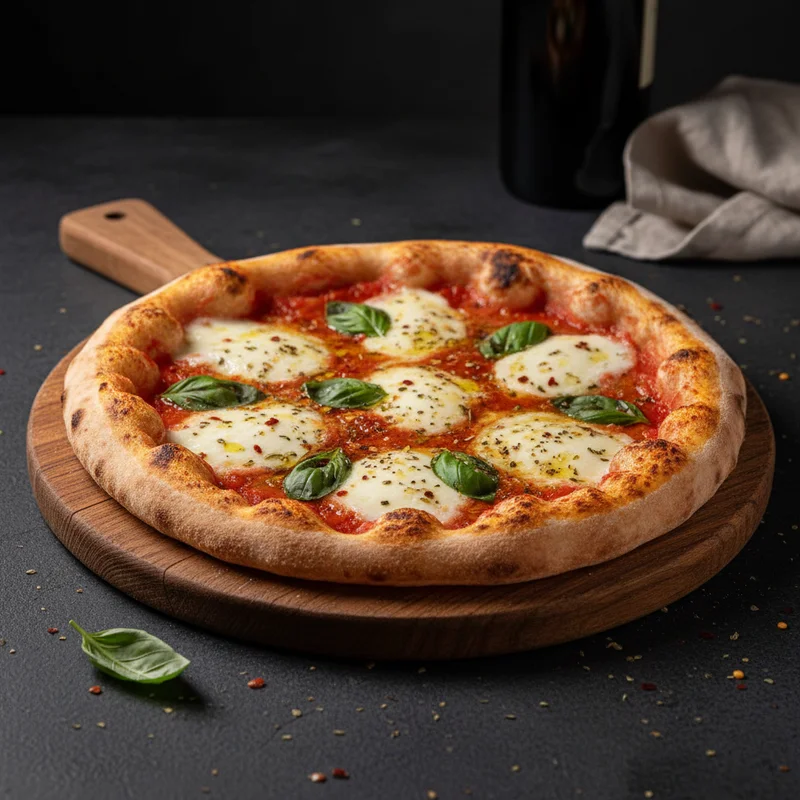
Pizza

Pizza

A flat disc of bread that convinced the world that putting everything on top of something is a legitimate cuisine. Somehow both a $1 slice and a $40 artisanal experience, depending on how seriously you take yourself.

VS
Procrastination

Procrastination

The art of doing everything except the one thing you should be doing. A universal human experience that has spawned more clean apartments, reorganized sock drawers, and Wikipedia deep dives than any productivity method ever could.

The Matchup

In what may be the most consequential confrontation since humanity first discovered fire, we examine the eternal struggle between a disc of baked dough topped with tomato and cheese, and the psychological phenomenon that has delayed more doctoral dissertations than all other forces combined. Pizza, a $150 billion global industry, faces procrastination, a behavioral pattern affecting an estimated 20% of adults chronically and 95% of university students during examination periods. Both have shaped civilizations, destroyed deadlines, and fundamentally altered the human experience.

Battle Analysis

Speed pizza Wins
70%
30%
Pizza Procrastination

Pizza

The modern pizza demonstrates remarkable temporal efficiency. A Neapolitan-style pizza requires precisely 60-90 seconds in a 485°C wood-fired oven—a duration shorter than the average TikTok viewing session. Delivery infrastructure has achieved extraordinary optimization: Dominos reported an average delivery time of 24 minutes across its 19,500 global locations in 2023. The speed of pizza acquisition has been so thoroughly engineered that one can summon a pepperoni pizza faster than one can locate matching socks.

The pizza industry has invested billions in speed optimization. GPS tracking, predictive ordering algorithms, and strategically positioned outlets have transformed pizza from a meal into a logistics miracle. In certain metropolitan areas, pizza arrives faster than emergency services—a statistic that says something profound about human priorities.

Procrastination

Procrastination operates on an entirely different temporal framework, one that physicists have yet to fully comprehend. A task estimated at fifteen minutes can, through procrastination, expand to occupy three weeks. Research from the University of Calgary documents that procrastinators spend an average of 218 minutes daily on delay-related activities.

However, procrastination achieves its objectives with remarkable speed when the deadline finally arrives—a phenomenon researchers term panic-induced productivity demonstrates that procrastinators can complete two weeks of work in approximately four caffeine-fueled hours. This temporal compression, while impressive, does raise questions about the quality of output produced under such conditions.

VERDICT

Pizza delivers consistent, measurable speed. Procrastination creates temporal distortions that defy conventional physics, but ultimately requires more total time investment despite compressed execution windows.
Reliability procrastination Wins
30%
70%
Pizza Procrastination

Pizza

Pizza demonstrates extraordinary consistency as a delivery mechanism for satisfaction. The fundamental architecture—bread, sauce, cheese, toppings—has remained stable since the 18th century while permitting infinite variation. A study published in the Journal of Consumer Psychology found that pizza ranks among the top three comfort foods across all demographics surveyed.

Approximately 98% of participants rated pizza consumption as satisfying or highly satisfying. Pizza reliably arrives hot (or at acceptable temperature), reliably tastes within expected parameters, and reliably provides approximately 266 calories per slice of cheese pizza. This predictability forms the foundation of pizza's enduring appeal—you know exactly what you're getting.

Procrastination

Procrastination is perhaps the most reliable phenomenon in human psychology. If you have a deadline, procrastination will appear. This is not speculation but documented certainty. A meta-analysis of 216 studies found that procrastination correlates with task aversion at r=0.76—one of the strongest relationships in behavioral science.

Procrastination will reliably consume your Sunday afternoon, reliably intensify as deadlines approach, and reliably generate that familiar cocktail of guilt and anxiety that researchers term temporal self-regulatory failure. You cannot outrun procrastination. You cannot outsmart it. You can only negotiate with it, and it drives a hard bargain.

VERDICT

Pizza occasionally arrives late, cold, or with incorrect toppings. Procrastination has never once failed to appear when summoned by an unpleasant task. Its reliability is absolute and unwavering.
Global reach procrastination Wins
30%
70%
Pizza Procrastination

Pizza

Pizza has achieved a territorial conquest that would make history's greatest empires weep with inadequacy. The dish originated in Naples, Italy, where the Margherita pizza was allegedly created in 1889 to honor Queen Margherita of Savoy. Today, pizza is consumed in every nation on Earth, including Antarctica, where McMurdo Station reportedly serves approximately 300 pizzas weekly to researchers.

Americans alone consume 3 billion pizzas annually—equivalent to 350 slices per second. Pizza has been delivered to the International Space Station, making it the first Italian cuisine to achieve Low Earth Orbit. The Pizza Hut delivery to the ISS in 2001 cost approximately $1 million, proving that humanity will pay any price for proper pizza access.

Procrastination

Procrastination recognizes no borders, respects no governments, and transcends all cultural barriers. Studies indicate procrastination rates remain remarkably consistent across nations: 15-20% of adults qualify as chronic procrastinators whether surveyed in Stockholm, São Paulo, or Singapore. The behavior has been documented in ancient Roman texts, medieval manuscripts, and modern productivity apps with equal frequency.

Procrastination required no marketing budget, no supply chain, and no franchise agreements to achieve total global saturation. It simply emerged wherever humans developed the capacity to have tasks and the creativity to avoid them. Archaeological evidence suggests procrastination predates written language—cave paintings were almost certainly completed the night before the tribal presentation.

VERDICT

While pizza required centuries of deliberate expansion and billions in infrastructure investment, procrastination achieved identical global penetration through pure human nature, requiring zero capital expenditure.
Social impact pizza Wins
70%
30%
Pizza Procrastination

Pizza

Pizza has fundamentally restructured human social interaction. The phrase let's grab pizza has initiated more friendships, sustained more study groups, and facilitated more awkward first dates than any other culinary invitation. Pizza serves as the universal food of collaboration—present at startup brainstorms, political campaign headquarters, and children's birthday parties with equal frequency.

The pizza industry employs an estimated 1 million workers in the United States alone. Furthermore, pizza has created its own vocabulary (pizza party, pizza night, pizza Friday) and cultural rituals that transcend socioeconomic boundaries. Pizza democratizes dining: a CEO and an intern eat the same slice.

Procrastination

Procrastination has reshaped society in ways both subtle and profound. The phenomenon has spawned a $10 billion productivity industry: apps, books, seminars, and coaches all dedicated to combating what is essentially doing things later rather than now. Procrastination has altered academic calendars, as universities now design deadline structures around anticipated procrastination patterns.

The behavior has created shared cultural experiences—the collective groan of I'll start Monday resonates across all languages. Procrastination has united humanity in a shared experience of guilt that transcends all other differences. It is, perhaps, the great equalizer: presidents and poets alike know the 3 AM deadline panic.

VERDICT

Pizza's social impact builds connections and creates employment. Procrastination's social impact primarily consists of shared misery, missed opportunities, and a productivity-industrial complex built on human suffering.
Entertainment value procrastination Wins
30%
70%
Pizza Procrastination

Pizza

Pizza provides entertainment primarily through consumption—a pleasure that, while genuine, remains relatively brief. The average pizza-eating session lasts 15-20 minutes. Secondary entertainment derives from pizza-adjacent activities: debates over optimal toppings, the geometric puzzle of slice distribution, and the satisfying stretch of properly melted mozzarella.

Pizza has inspired films (notably the Teenage Mutant Ninja Turtles franchise), songs, and approximately 47 million Instagram posts tagged #pizza. However, pizza's entertainment value diminishes once consumed, leaving only a box and existential contemplation of whether ordering another would be excessive.

Procrastination

Procrastination has evolved into a sophisticated entertainment delivery system. The average procrastinator discovers approximately 340 interesting Wikipedia articles, 89 YouTube videos, and 12 new hobbies per avoided task. Procrastination transforms mundane activities—organizing desk drawers, researching vacation destinations for trips never taken, learning obscure historical facts—into compelling entertainment.

A survey of graduate students found that 73% reported discovering their most interesting knowledge while procrastinating. Procrastination offers potentially unlimited entertainment, constrained only by internet connectivity and the eventual crushing weight of accumulated obligations. The entertainment is real; the guilt merely seasons it.

VERDICT

Pizza provides 20 minutes of enjoyment. Procrastination can provide weeks of entertainment, admittedly followed by concentrated suffering, but the entertainment hours nonetheless exceed pizza by orders of magnitude.
👑

The Winner Is

Pizza

58 - 42

After rigorous analysis employing the most stringent methodological standards, we must acknowledge that pizza and procrastination represent two fundamentally different approaches to the human condition. Pizza is an external solution—a product that can be purchased, consumed, and enjoyed within defined parameters. Procrastination is an internal constant—a behavioral pattern so deeply embedded in human psychology that it may constitute a defining characteristic of consciousness itself.

Pizza wins on speed and social impact, delivering measurable benefits through established infrastructure. Procrastination wins on global reach, reliability, and entertainment value, though its victories taste distinctly of anxiety and regret. The data suggests that the optimal strategy involves ordering pizza while procrastinating, thereby harnessing the strengths of both phenomena simultaneously.

This synthesis, which researchers have termed productive procrastination, allows one to delay important tasks while still accomplishing the meaningful work of consuming calories. In the final accounting, pizza emerges as the superior choice for those seeking controllable, predictable satisfaction. Procrastination remains undefeated for those who prefer their life experiences marinated in adrenaline and last-minute panic.

Pizza
58%
Procrastination
42%

Share this battle

More Comparisons