Topic Battle

Where Everything Fights Everything

Pizza

Pizza

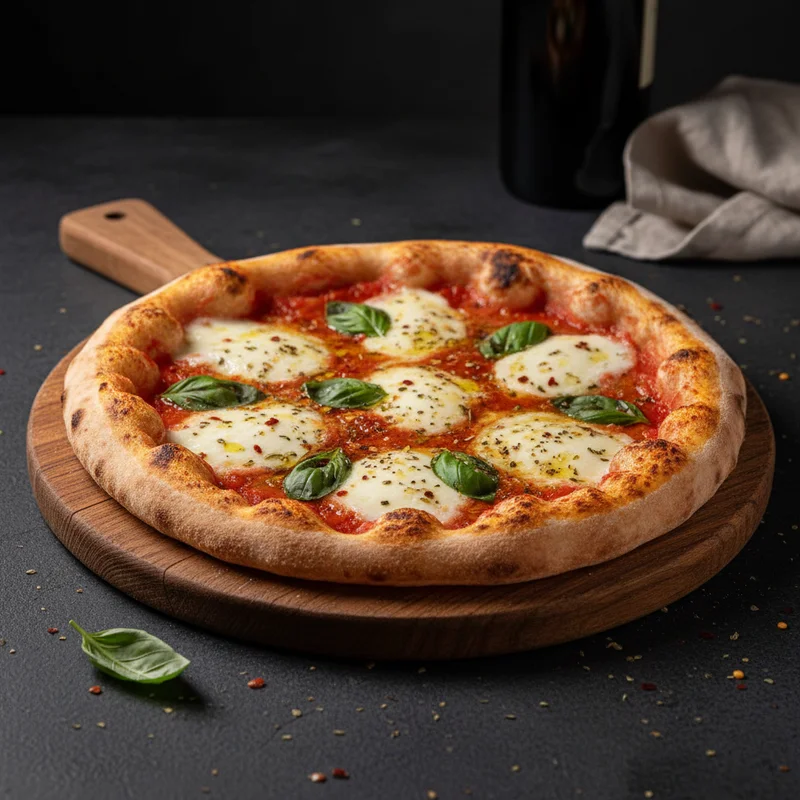
A flat disc of bread that convinced the world that putting everything on top of something is a legitimate cuisine. Somehow both a $1 slice and a $40 artisanal experience, depending on how seriously you take yourself.

VS
Wolverine

Wolverine

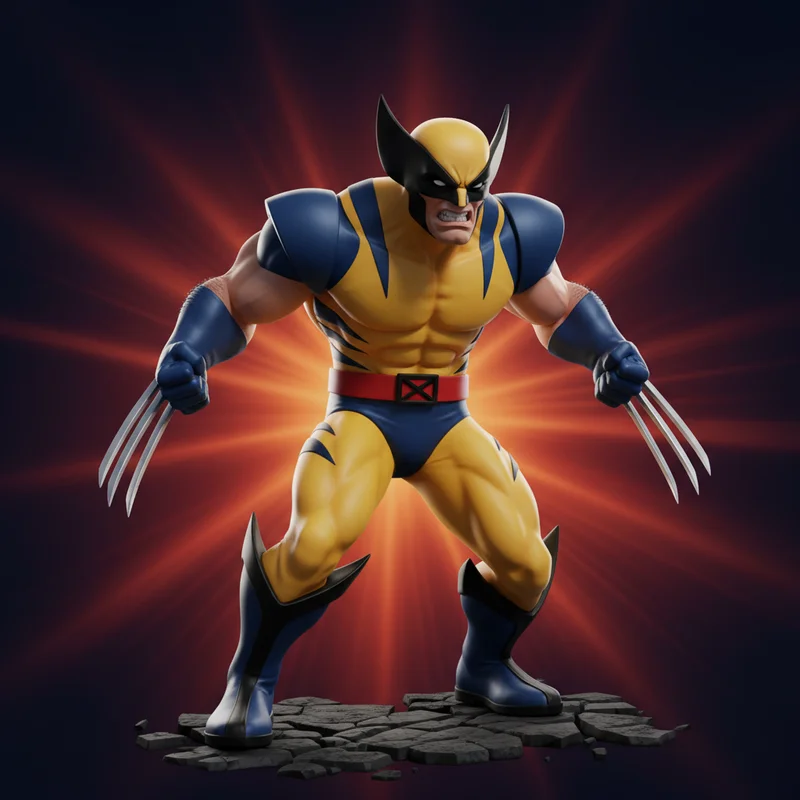
Clawed mutant with regeneration and anger issues.

Battle Analysis

Durability wolverine Wins
30%
70%
Pizza Wolverine

Pizza

The durability of pizza as a concept borders on the philosophically remarkable. Individual pizzas decompose, certainly—left unrefrigerated, a pizza will become inedible within hours and dangerous within days. Yet the idea of pizza proves utterly indestructible. Every attempt to replace it with healthier alternatives has failed. The low-carbohydrate movement of the early 2000s should have decimated pizza consumption; instead, cauliflower crusts emerged, and pizza adapted, survived, and ultimately thrived.

Pizza has weathered economic recessions, wars, pandemics, and shifting dietary fashions with remarkable equanimity. It existed before the internet and will almost certainly exist after whatever replaces the internet. The conceptual durability of pizza approaches that of fundamental human needs—shelter, companionship, meaning. It is not merely a food but a fixture of civilisation itself.

Wolverine

Wolverine's durability is, of course, literally legendary. His mutant healing factor allows recovery from virtually any injury—gunshots, explosions, even nuclear blasts. The adamantium bonded to his skeleton makes his bones unbreakable. In canonical Marvel narratives, he has survived for over 130 years, participating in major conflicts from the American Civil War to the present day. His physical resilience is unprecedented in fictional biology.

Yet Wolverine has also demonstrated remarkable cultural durability. Created in 1974, he has survived multiple comic book deaths, reboots, and the general fickleness of audience attention. He has transitioned from comic panels to animated series to blockbuster films without losing essential character integrity. However, fictional characters remain vulnerable to cultural irrelevance in ways that pizza does not—Wolverine requires continued creative investment to maintain prominence.

VERDICT

Wolverine's canonical healing factor and adamantium skeleton represent durability of a fundamentally different order—individual immortality rather than conceptual persistence.
Adaptability pizza Wins
70%
30%
Pizza Wolverine

Pizza

Pizza demonstrates extraordinary adaptive capacity that would fascinate evolutionary biologists were they to study culinary forms. The basic template—flatbread, sauce, toppings—has proven infinitely modifiable. In Japan, pizza features mayonnaise and squid. In Brazil, green peas are considered essential. Swedish pizza commonly includes banana and curry powder, a combination that horrifies traditionalists yet delights local palates.

This adaptability extends beyond toppings. Pizza has successfully colonised breakfast menus, dessert courses, and everything between. It arrives frozen, fresh, or as a kit for home assembly. It accommodates every dietary restriction—vegan, gluten-free, dairy-free versions exist and achieve commercial viability. The pizza format has proven so successful that other foods now imitate it: pizza burgers, pizza tacos, sushi pizza. The original adapts whilst spawning imitators.

Wolverine

Wolverine has demonstrated considerable narrative adaptability across multiple media and interpretations. He has functioned as villain, anti-hero, mentor, and protagonist. He has appeared in period pieces, science fiction, and contemporary drama. Different creative teams have emphasised various aspects—his berserker rage, his humanity, his weariness, his humour. The character stretches without breaking.

However, certain core elements remain fixed by necessity. Wolverine must possess claws, regeneration, and a gruff demeanour. He cannot become a pacifist or a socialite without losing essential identity. His adaptability operates within defined parameters that pizza does not recognise. Pizza can become almost anything whilst remaining pizza; Wolverine must remain recognisably Wolverine or cease to serve his narrative function.

VERDICT

Pizza's capacity for infinite variation across cultures, ingredients, and serving contexts surpasses Wolverine's impressive but constrained narrative flexibility.
Comfort level pizza Wins
70%
30%
Pizza Wolverine

Pizza

Pizza has achieved status as perhaps humanity's definitive comfort food. Its consumption is associated with celebration, relaxation, and emotional recuperation. When asked to name foods that provide psychological comfort, pizza consistently ranks at or near the summit of global surveys. The combination of warm carbohydrates, melted cheese, and customisable toppings triggers neurological responses associated with safety and satisfaction.

Pizza's comfort extends to social dimensions. It is the food of gatherings—parties, family nights, casual meetings between friends. Its shareable nature encourages communal consumption. The act of ordering pizza has become shorthand for deciding not to cook, a small act of self-care that millions perform weekly. Pizza does not demand formality; it welcomes consumption in pyjamas, on sofas, whilst watching films. It is profoundly accommodating.

Wolverine

Wolverine provides comfort of an entirely different character—the reassurance that comes from knowing a fierce protector exists. For devotees of the character, his presence in a narrative suggests that villains will ultimately face consequences. He represents a fantasy of agency and capability that can be vicariously satisfying. Watching Wolverine overcome adversity provides a form of cathartic relief.

However, Wolverine himself is not comfortable. His existence is marked by trauma, loss, and perpetual conflict. His memories have been manipulated, his loved ones have died, and his immortality means watching friends age whilst he remains. The character's emotional arc is fundamentally tragic. Whilst he provides comfort to audiences, he experiences little himself. He is a vessel for projected comfort rather than its source.

VERDICT

Pizza delivers immediate, universal comfort through direct sensory experience, whilst Wolverine offers only vicarious satisfaction through narrative consumption.
Global recognition pizza Wins
70%
30%
Pizza Wolverine

Pizza

Pizza has achieved what political theorists might term total cultural penetration. From Tokyo to Toronto, Lagos to London, the circular bread-based dish is understood, desired, and consumed with remarkable consistency. An estimated 5 billion pizzas are sold globally each year, a figure that suggests humanity has organised much of its leisure time around this single food item. The word 'pizza' requires no translation in virtually any language—it has transcended linguistic barriers with an efficiency that would make Esperanto's inventors weep.

Pizza's recognition extends across all demographics, economic strata, and political affiliations. It is perhaps the only subject upon which warring factions might agree. The image of a pizza slice is universally understood, requiring no explanation or cultural context. Children recognise it before they can speak. The elderly request it in their final hours. It is, quite simply, omnipresent.

Wolverine

Wolverine occupies a peculiar position in global consciousness—extraordinarily famous within specific demographics, yet less universally recognised than his adamantium skeleton might suggest. Within the comic book community, the X-Men franchise, and Hollywood superhero circles, he is legendary. Hugh Jackman's 17-year portrayal across nine films generated billions in box office revenue, cementing the character in popular culture.

However, substantial portions of the global population remain unfamiliar with the gruff Canadian mutant. Surveys conducted in regions with limited access to Western entertainment media reveal significant recognition gaps. One cannot assume that a farmer in rural Bangladesh or an elder in the Peruvian highlands would identify the distinctive yellow costume or signature hair styling. Wolverine's fame, whilst impressive, operates within defined cultural boundaries that pizza has long since transcended.

VERDICT

Pizza achieves near-universal recognition across all human demographics, whilst Wolverine's fame, though substantial, remains concentrated within entertainment-consuming populations.
Intimidation factor wolverine Wins
30%
70%
Pizza Wolverine

Pizza

Pizza possesses virtually no intimidation capacity in conventional terms. It cannot threaten violence, does not pursue aggressors, and lacks any defensive mechanisms whatsoever. A pizza will not fight back when consumed. Its appearance—circular, colourful, often steaming gently—evokes comfort rather than fear. Children do not have nightmares about pizza. Adults do not flee from approaching pizza delivery vehicles.

One might argue that pizza intimidates through caloric implications—a large pizza represents a significant portion of one's daily energy requirements, and repeated consumption carries health consequences. Nutritionists have described certain pizza consumption patterns as 'concerning.' Yet this represents a slow, statistical threat rather than immediate intimidation. Pizza remains fundamentally approachable and unthreatening.

Wolverine

Wolverine represents concentrated intimidation refined to near perfection. Standing at a relatively modest 5'3", he nonetheless projects menace through sheer ferocity. The adamantium claws—capable of slicing through virtually any material—emerge from his knuckles without warning. His healing factor means he cannot be deterred by conventional weaponry. He has faced gods, demons, and cosmic entities without retreating.

The character's intimidation extends beyond physical capability to psychological impact. His reputation within the Marvel universe precedes him—villains with knowledge of his history often reconsider confrontation. His berserker state, in which he abandons restraint entirely, represents a threat that even allies approach with caution. Wolverine has been described as the most dangerous individual on numerous superhero rosters, a designation he has earned repeatedly.

VERDICT

Adamantium claws, berserker rage, and an established reputation for extreme violence give Wolverine an insurmountable advantage in threat projection.
👑

The Winner Is

Pizza

52 - 48

Our investigation reveals a contest far more nuanced than initial appearances suggested. Wolverine commands decisive advantages in durability and intimidation—categories where physical capability determines outcomes. His adamantium skeleton and healing factor represent evolutionary advantages that pizza cannot replicate through any culinary innovation. In any direct confrontation, the outcome would be unambiguous and rather messy.

Yet pizza prevails in the dimensions that ultimately matter for cultural dominance: global recognition, adaptability, and comfort provision. These criteria reflect humanity's actual priorities—what we seek daily, what we integrate into our lives, what we choose rather than what we fear. Wolverine exists to be admired from safe distances; pizza exists to be embraced, literally, repeatedly, and across all circumstances.

The final tally of 52-48 in pizza's favour reflects this essential truth. In the great competition for human attention and affection, the circular flatbread has achieved something that even adamantium-reinforced mutants cannot claim: genuine ubiquity. Pizza does not need to threaten or impress. It simply exists, and humanity organises itself accordingly.

Pizza
52%
Wolverine
48%

Share this battle

More Comparisons